

Sort by
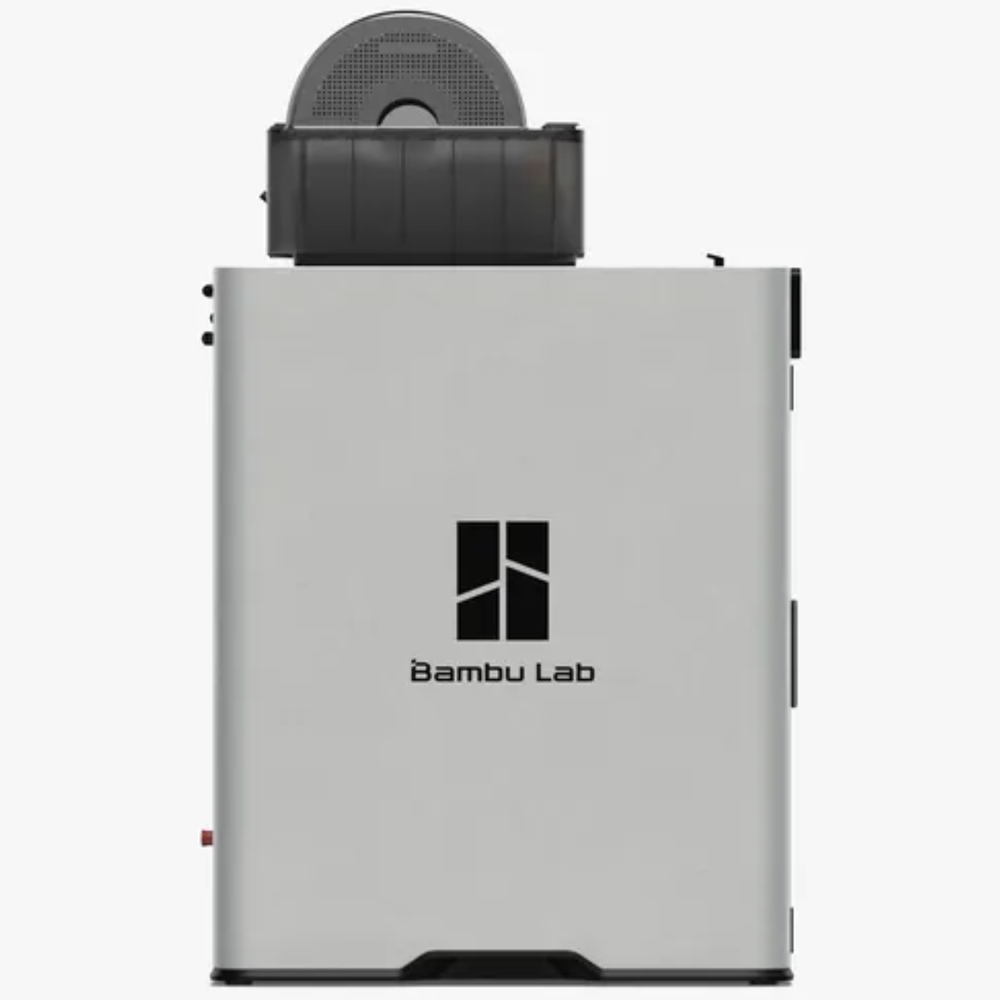
Bambu lab H2S AMS combo 3D pr…
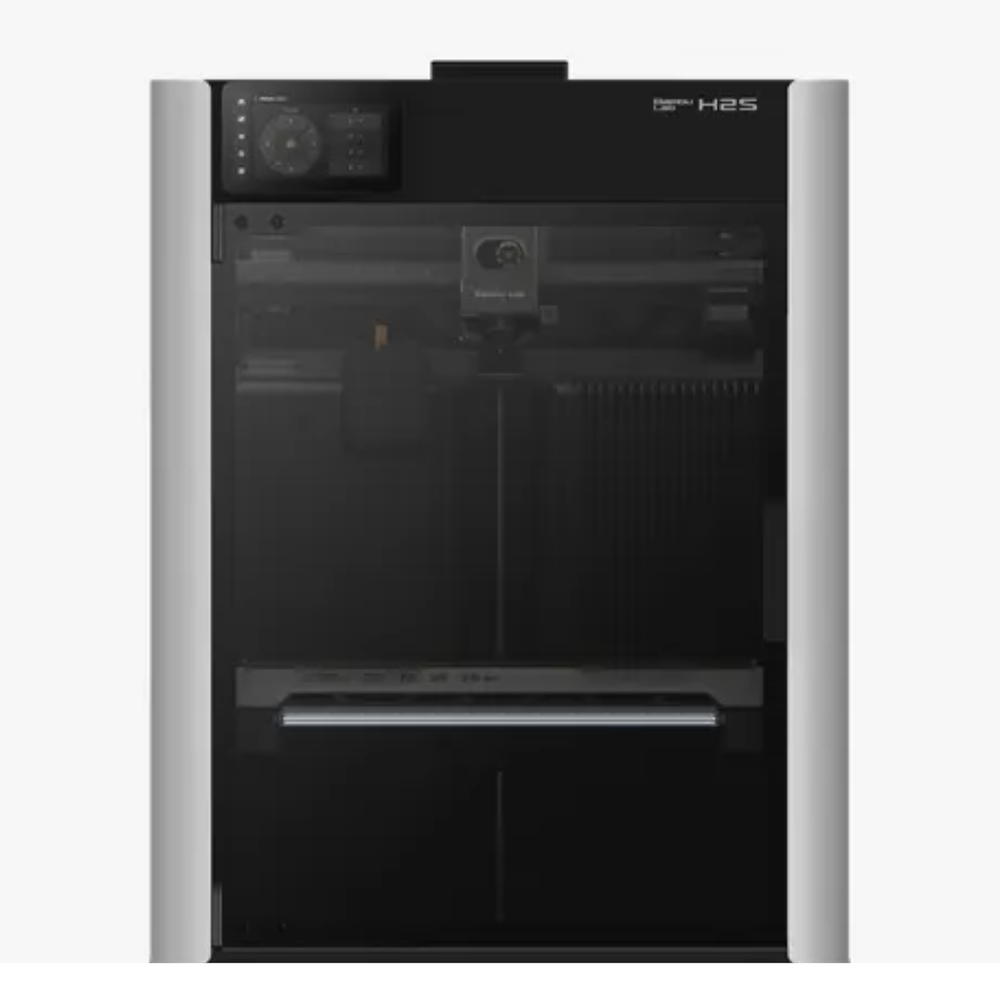
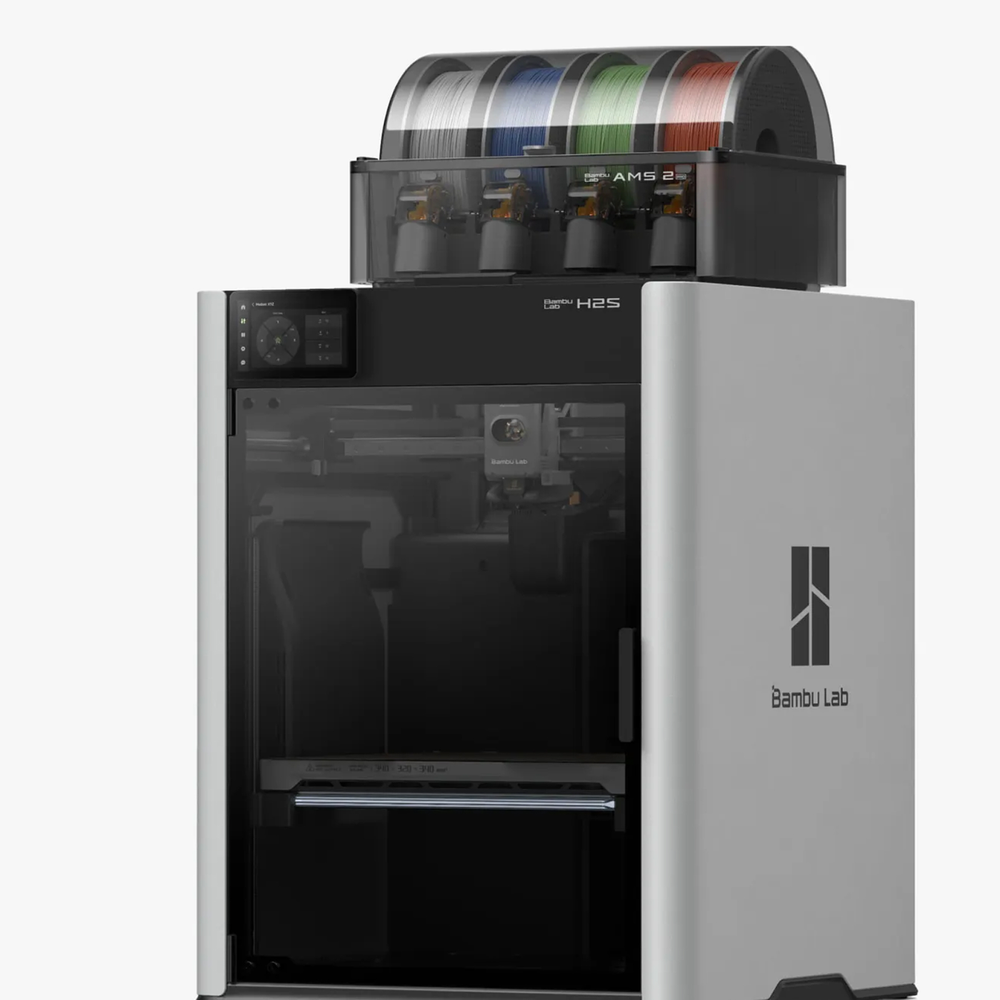
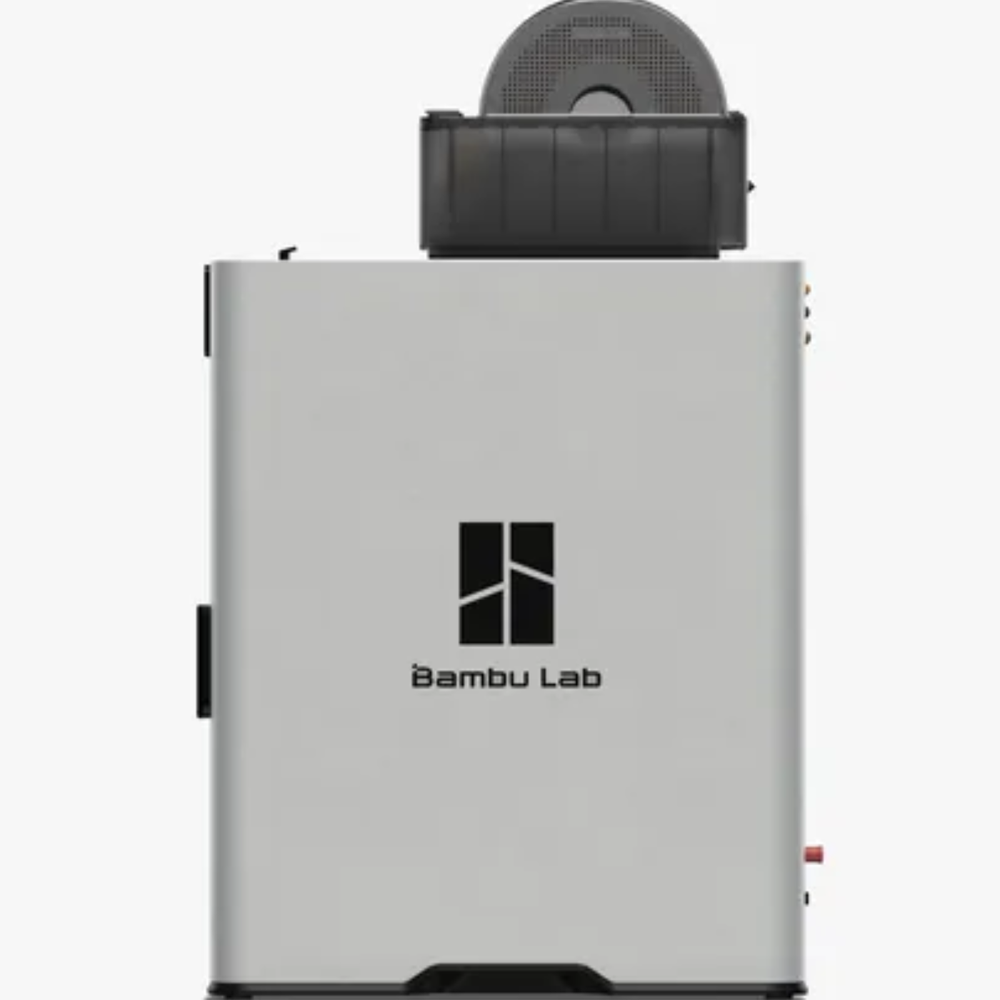
Bambu Lab H2S AMS Combo 3D Printer
The Bambu Lab H2S 3D Printer is a high-performance FDM 3D printer designed for fast, accurate, and reliable printing, making it suitable for professionals, makers, and educational use. It features an advanced high-speed motion system with a sturdy enclosed frame for stable operation, automatic calibration for easy setup, and intelligent filament management for smooth multi-material printing.
With smart connectivity, real-time monitoring, and user-friendly software, the H2S delivers consistent high-quality results while significantly reducing print time and manual effort.
Ready for
Engineering
Filaments
Equipped with a 350°C hotend and a 65°C actively heated chamber, it accommodates the complete range of Bambu filaments from PLA and PETG to PC and PPA. The H2S features closed-loop fan control and accurate thermal management, which reduces warping and deformation while enhancing layer adhesion. Construct large, high-performance components that are both functional and robust.
Even Surfaces,
Crisp Edges
H2S employs the sensing functionality of its servo motor on the extruder along with high-resolution eddy current sensors located on the nozzle to accurately regulate extrusion. This is achieved by measuring the pressure at the nozzle and calibrating the PA parameters for each filament, which enhances surface smoothness and edge sharpness.
Precision
in Motion
Active Vibration Compensation effectively mitigates micro-vibrations and resonance instantaneously, facilitating superior print quality at increased speeds.
Closed-Loop Feedback, Real-Time Control
Bambu Lab's exclusive PMSM servo system facilitates a resistance and position sampling rate of 20 kHz, allowing for the dynamic modulation of electromagnetic torque vectors. This system stabilizes the extrusion process and actively identifies grinding or clogs in real time.
Each Potential Risk Has Its Own Detector
Utilizing AI-powered real-time monitoring, the vision system identifies clumping, spaghetti, and purge chute blockages as they occur, thereby assisting in averting print failures before they commence. This identical vision system also facilitates advanced functionalities such as Live Spatial Alignment, which enables accurate calibration of lasers and cutting, as well as Vision Encoder technology that improves positional precision.
Pre-Flight
Checklist
by AI
Before each operational cycle, the H2S vision system commences a thorough pre-flight checklist: Chamber Integrity Scan – identifies debris on the complete print surface. Hardware Configuration Audit – quickly recognizes build plate characteristics.
3D Printing & Laser Cutting. 3 Modes, All-in-One
The H2S supports multiple operating modes for optimal performance across applications: in high-temperature printing, the sealed chamber circulates internal air through the air filter and heater to maintain stable conditions, enabling large engineering components to be printed without distortion; in low-temperature printing, the top vent opens to allow cool air intake with filtered exhaust, making it ideal for PLA and PETG without opening the door while improving overhangs and bridging; for laser cutting and engraving, the top vent and filter switch flap open to efficiently direct fumes to the ventilation system, ensuring a safe and clean workspace.
Maximum Volume.
Maximum Productivity.
With a build volume of
340×320×340 mm³
, the H2S offers the largest print space among all Bambu Lab printers. Your Vision. Fully Realized
in One Print.
Top Speed. More Reliable Than Ever
The Bambu Lab H2S delivers high-speed, high-quality printing with its PMSM servo extrusion system providing 67% more extrusion force, toolhead speeds up to 1000 mm/s, and acceleration up to 20,000 mm/s² to cut print time by up to 30%. It is a compact, production-ready all-in-one platform with built-in safety features, cloud and offline connectivity, quick-swap nozzles, ultra-quiet operation below 50 dB, a rigid all-metal body, automated air venting, RFID filament sync, and support for cutting, engraving, and drawing.
Features:
The H2S provides a large print volume of 340 × 320 × 340 mm³, making it suitable for printing big and complex parts.
It supports multi-color 3D printing, allowing users to create detailed and visually rich models.
The closed-loop servo motor extruder ensures precise and consistent filament extrusion.
An optional 10W laser and cutting module enables laser cutting and engraving on the same machine.
The 5μm resolution optical motion calibration delivers highly accurate positioning and smooth motion control.
A 350°C nozzle combined with a 65°C actively heated chamber supports high-temperature and engineering-grade filaments.
The full filament path AI detection system continuously monitors filament flow to prevent print failures.
The printer operates within a voltage range of 100–120 V.
To connect more than one AMS unit, including AMS 2 Pro or AMS HT, a 4-in-1 PTFE adapter (FAZ013-N) is required.
₹1997114.79
Incl. GST (No Hidden Charges)
Backorder Available
MRP. ₹1849990.00
Incl. GST (No Hidden Charges)

Bambu lab H2S AMS combo 3D printer
Bambu Lab H2S AMS Combo 3D Printer The Bambu Lab H2S 3D Printer is a high-performance FDM 3D printer designed for fast, accurate, and reliable printing, making it suitable for …
As low as
₹1997114.79
₹1997114.79
MRP. ₹1849990.00
Incl. GST (No Hidden Charges)
Backorder Available
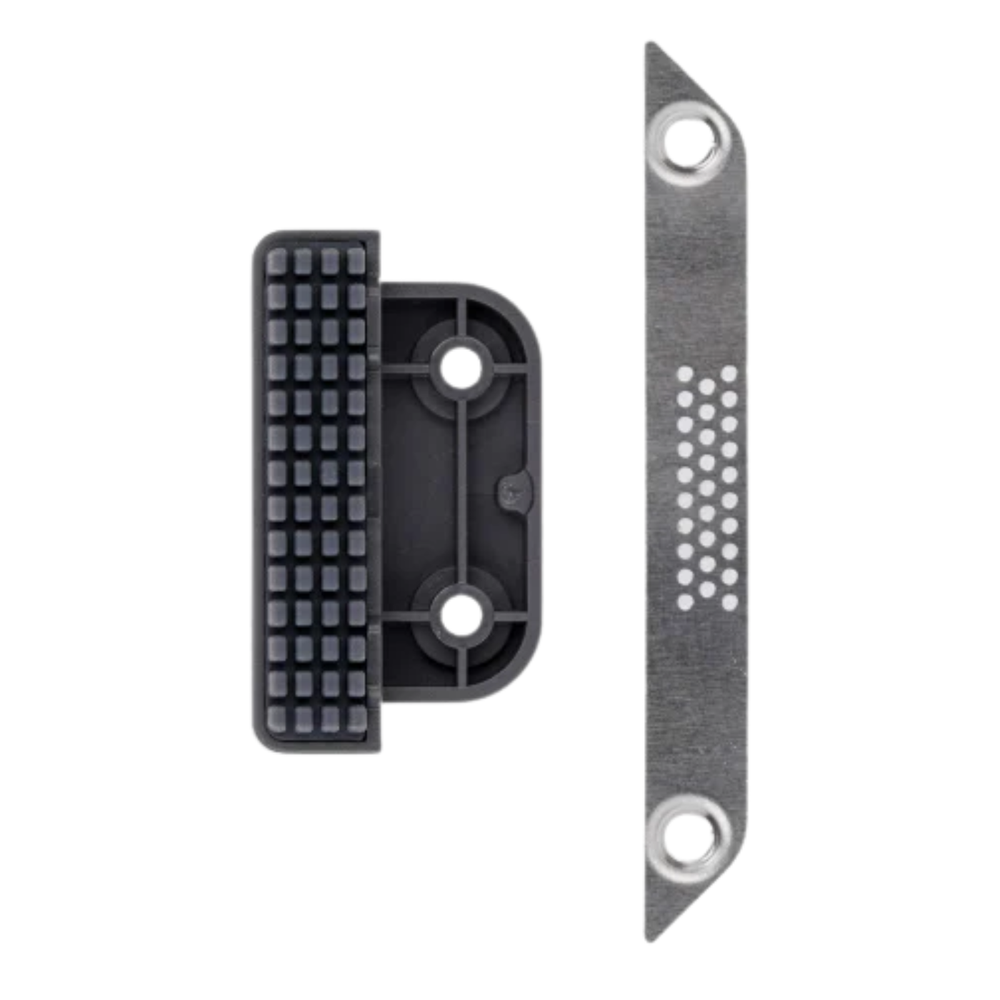
Bambu Lab Heatbed Nozzle Wipe…
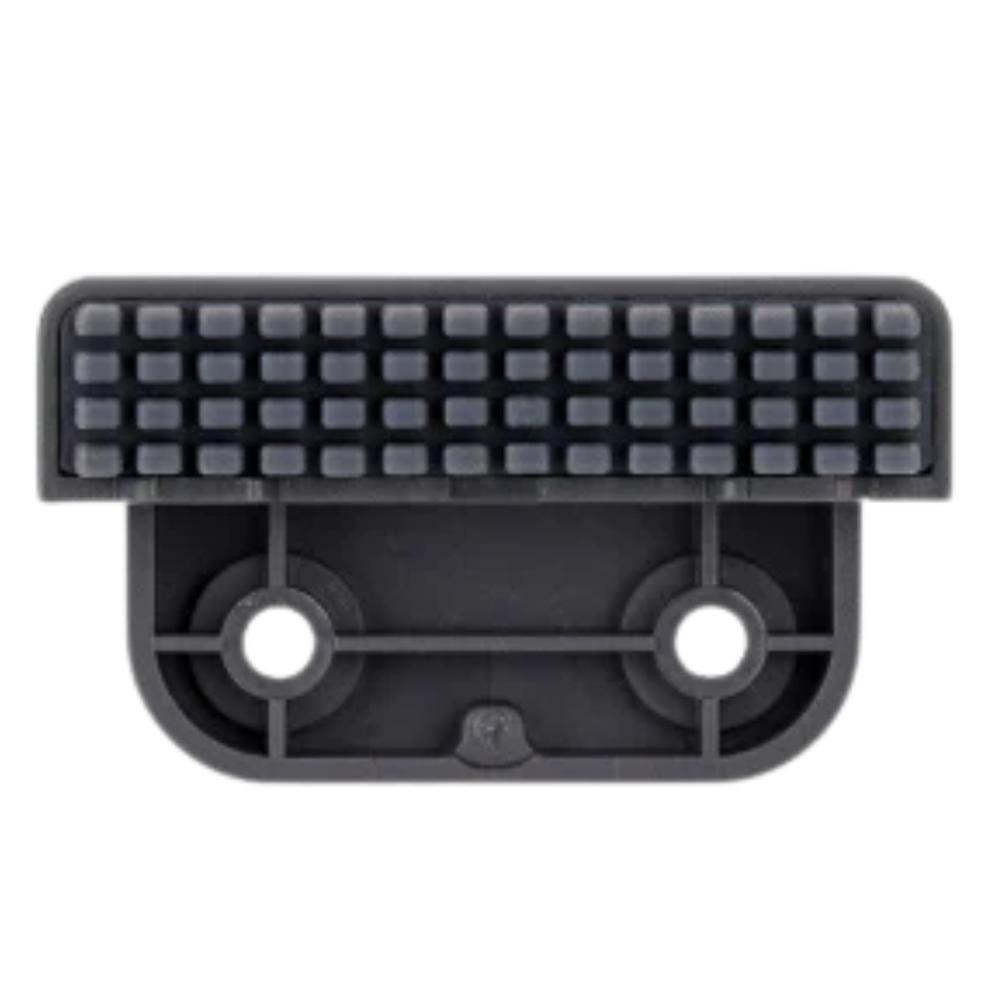
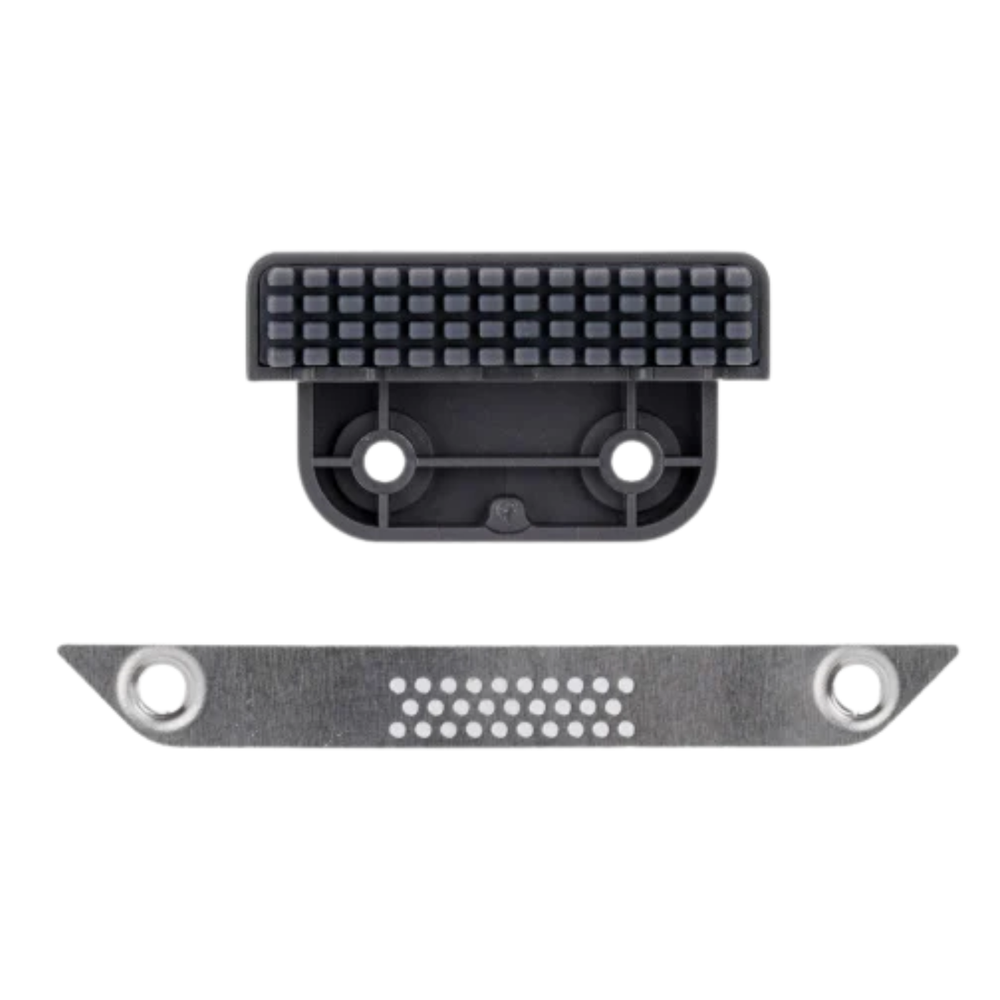
Bambu Lab Heatbed Nozzle Wiper for A1 Mini
The Bambu Lab Heatbed Nozzle Wiper for A1 Mini is a practical accessory designed to automatically clean the printer nozzle during the printing process. Positioned near the heatbed, the nozzle passes over the wiper at specific moments, allowing it to remove excess filament and debris.
This simple mechanism helps prevent nozzle clogging and ensures consistent filament extrusion throughout the print. By maintaining a clean nozzle, the wiper plays an important role in improving overall print quality and reducing common defects caused by filament buildup.
It is especially useful for longer prints where maintaining a stable extrusion is critical. With this accessory, users can enjoy a smoother and more reliable 3D printing experience while minimizing the need for frequent manual cleaning.
Features:
Nozzle Cleaning:
Removes extra filament from the nozzle, reducing buildup that can lead to blockages and inconsistent extrusion.
Improves Print Quality:
Provides smooth and equal filament flow, resulting in better adhesion and higher-quality prints.
Prevents Clogging:
Keeps the nozzle clear of extra material, reducing the possibility of nozzle jams.
Simple Setup:
Install near the heatbed for convenience and quick operation.
Compatibility:
Designed specifically for the Bambu Lab A1 Mini, assuring a flawless fit and consistent performance.
₹7187.33
Incl. GST (No Hidden Charges)
Backorder Available
MRP. ₹8990.00
Incl. GST (No Hidden Charges)
Bambu Lab Heatbed Nozzle Wiper for A1 Mini
Bambu Lab Heatbed Nozzle Wiper for A1 Mini The Bambu Lab Heatbed Nozzle Wiper for A1 Mini is a practical accessory designed to automatically clean the printer nozzle during the …
As low as
₹7187.33
₹7187.33
MRP. ₹8990.00
Incl. GST (No Hidden Charges)
Backorder Available
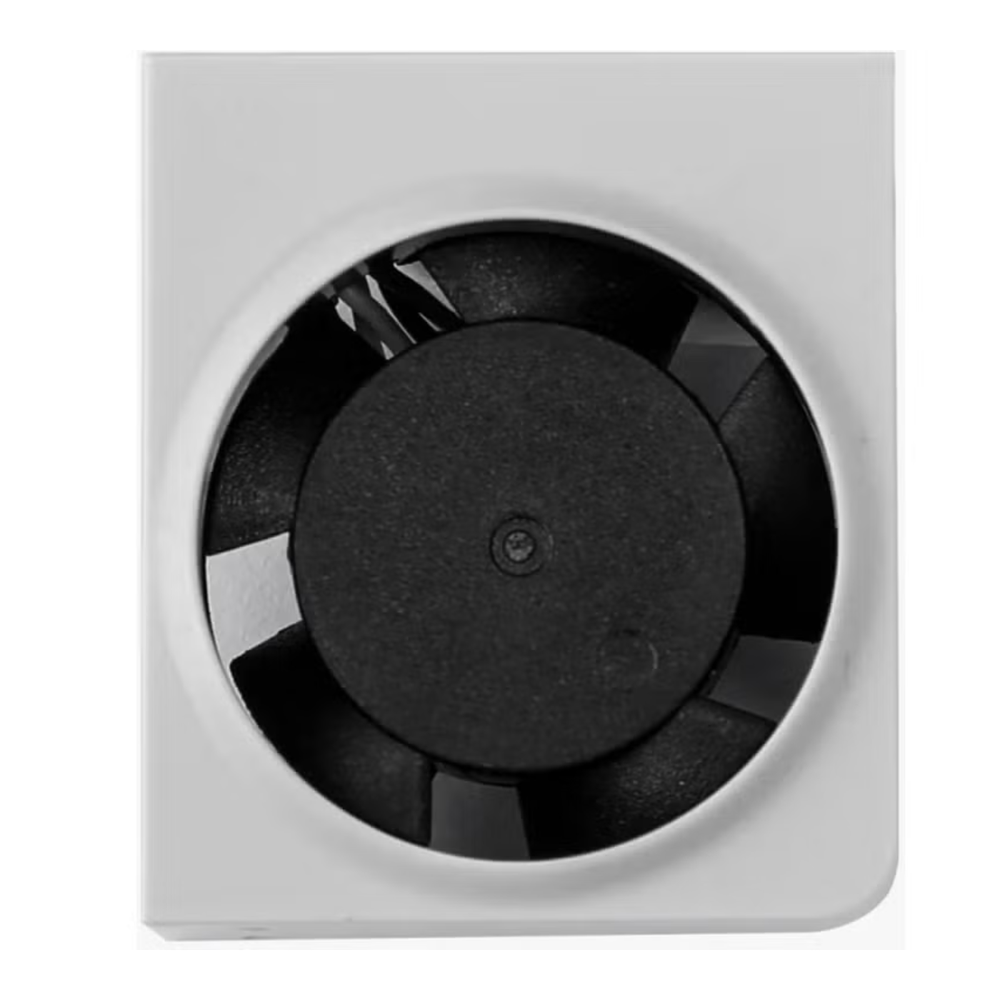
Bambu Lab Hotend Cooling Fan …
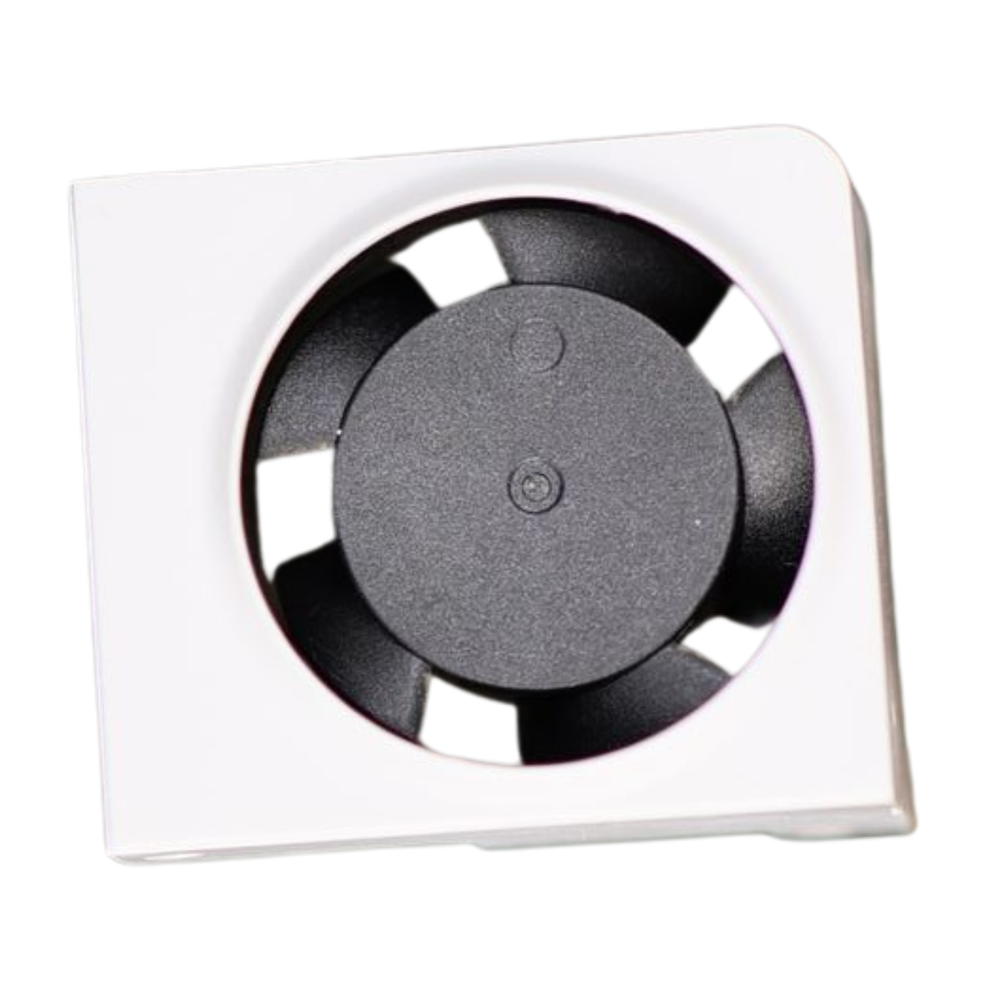
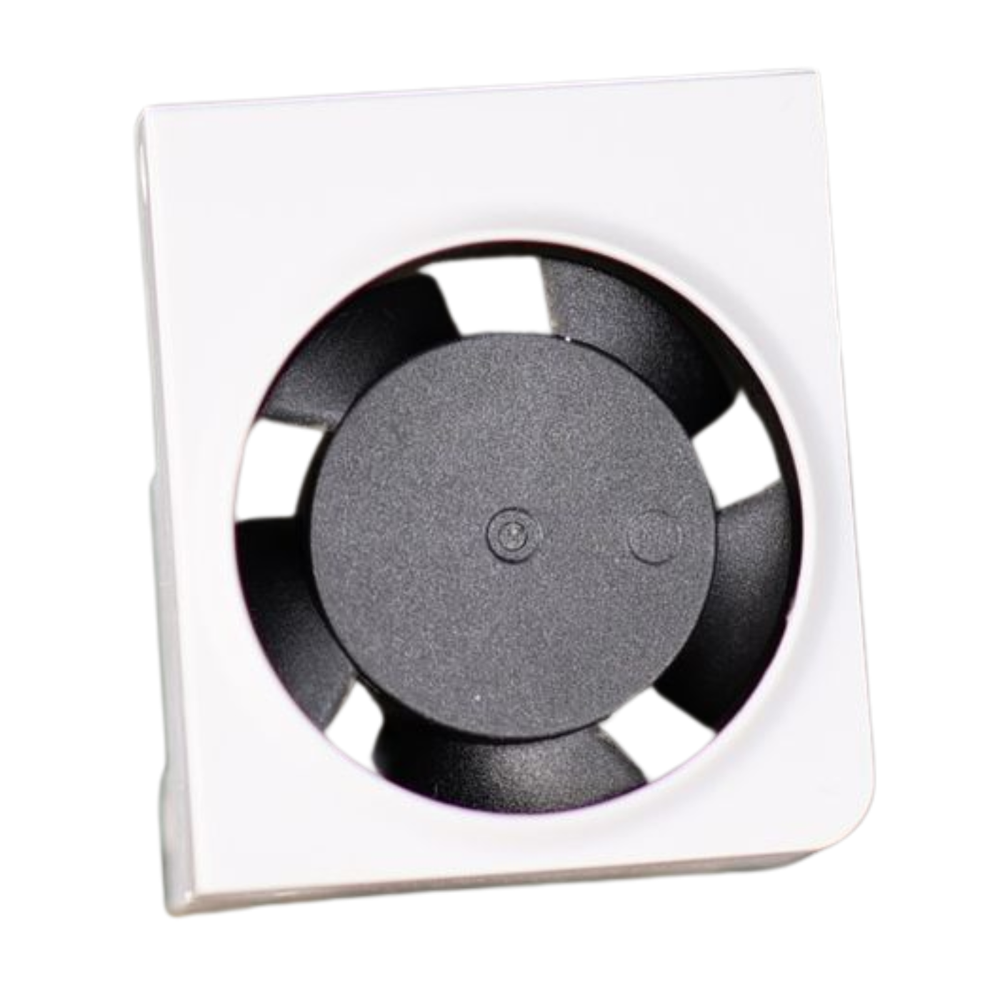
Bambu Lab Hotend Cooling Fan for A1 Mini, A1
The Bambu Lab Hotend Cooling Fan for A1 Mini and A1 is an essential component designed to keep the hotend at a safe and stable temperature during 3D printing. By providing efficient airflow directly to the hotend, this fan prevents overheating and ensures the printer operates within its optimal temperature range.
Proper cooling helps maintain consistent extrusion, improves print reliability, and protects the hotend from thermal stress. Specifically built for the Bambu Lab A1 Mini and A1 printers, this cooling fan supports stable printing conditions, enabling smoother operation and dependable print quality throughout long printing sessions.
Features:
Efficient Cooling: Maintains the hotend and its components at the appropriate temperature, reducing overheating and ensuring smooth printing performance.
Designed particularly for the Bambu Lab A1 and A1 Mini 3D printers, ensuring smooth connection.
High-quality materials provide durability for long-term use and operation.
Easy Installation: Includes screws (BT2-4) for a rapid and secure attachment to the hotend assembly.
Lightweight and compact design eliminates needless bulk in printer setup.
₹14270.16
Incl. GST (No Hidden Charges)
Backorder Available
MRP. ₹16990.00
Incl. GST (No Hidden Charges)
Bambu Lab Hotend Cooling Fan for A1 Mini, A1
Bambu Lab Hotend Cooling Fan for A1 Mini, A1 The Bambu Lab Hotend Cooling Fan for A1 Mini and A1 is an essential component designed to keep the hotend at …
As low as
₹14270.16
₹14270.16
MRP. ₹16990.00
Incl. GST (No Hidden Charges)
Backorder Available
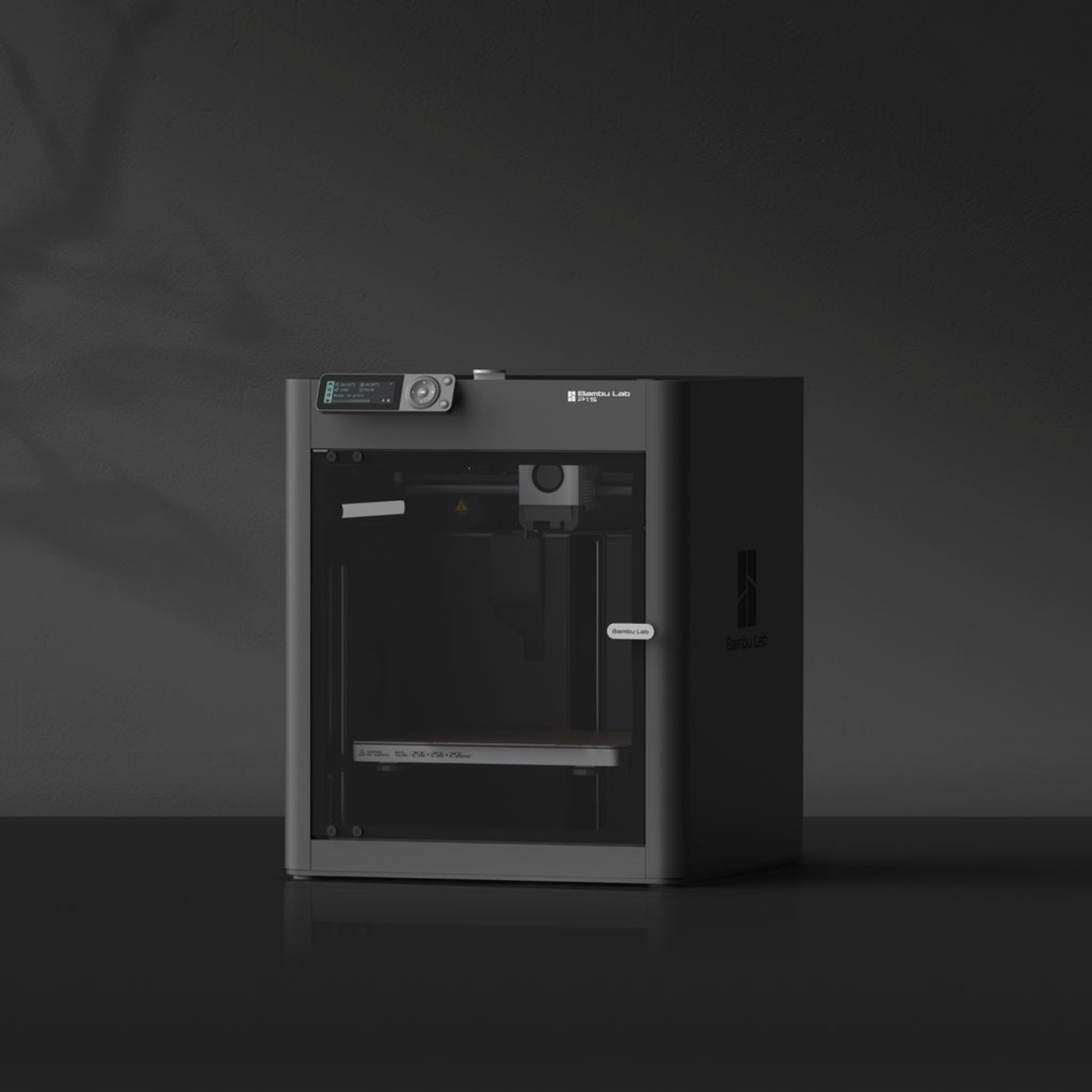
Bambu Lab P1S 3D Printer
Bambu Lab P1S 3D Printer
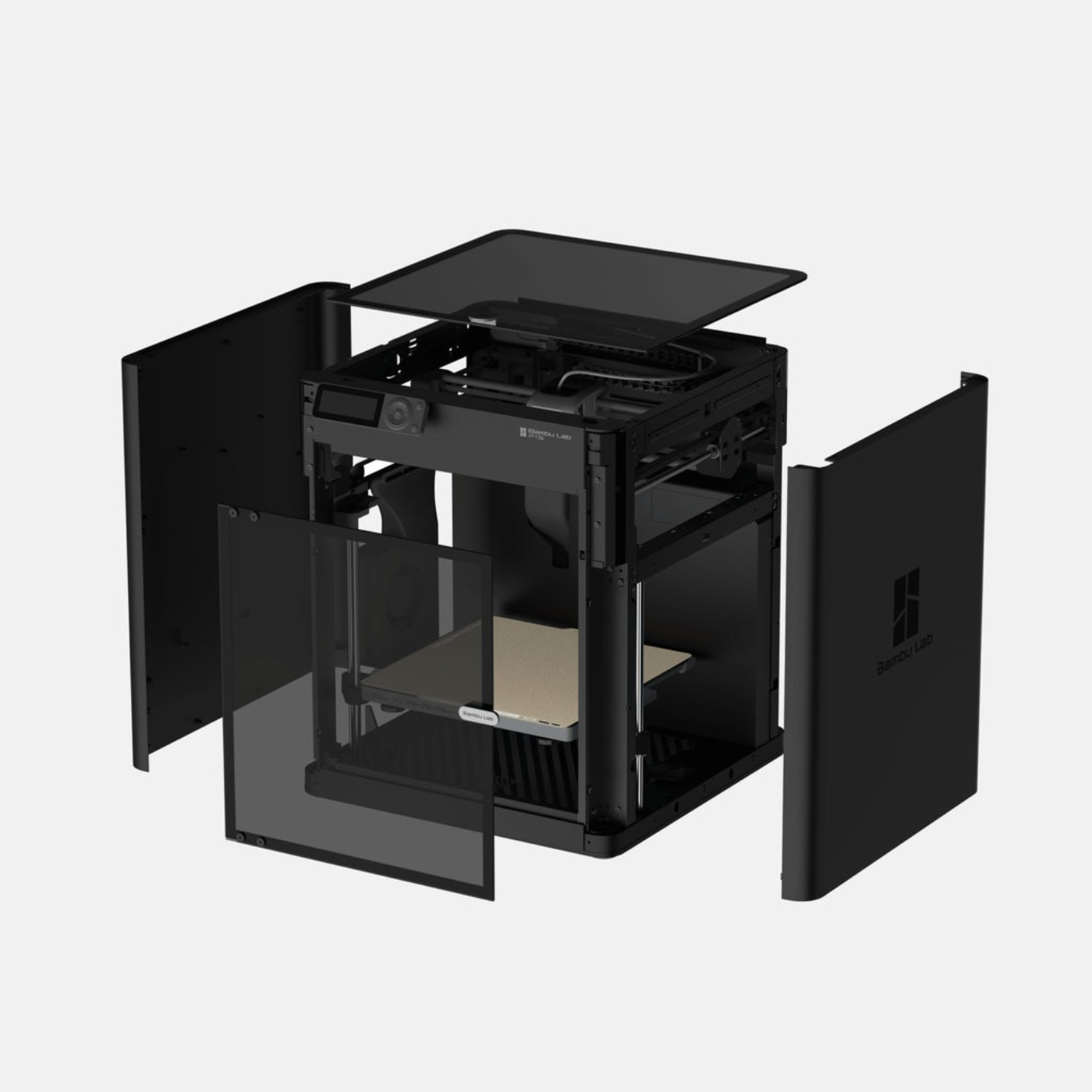
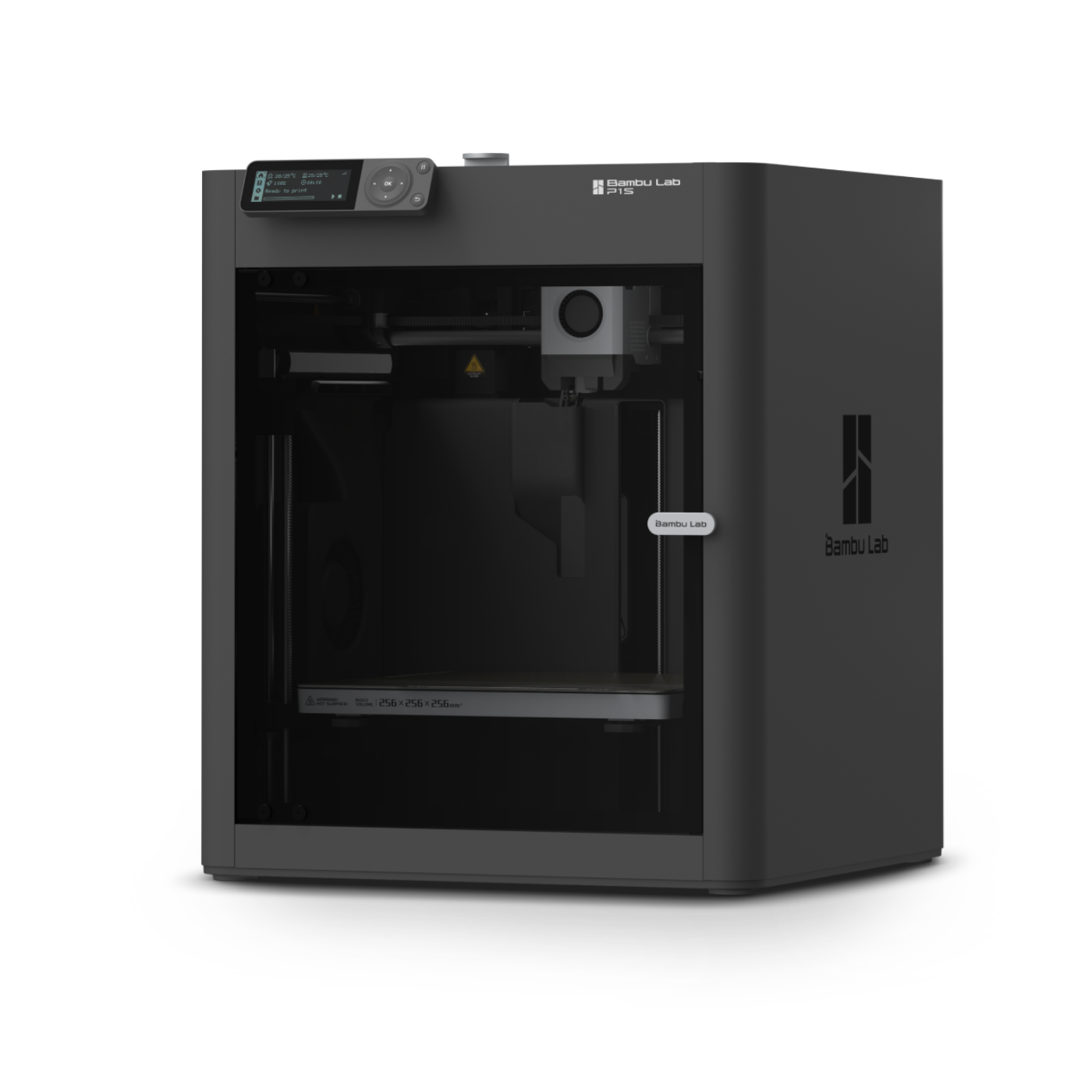
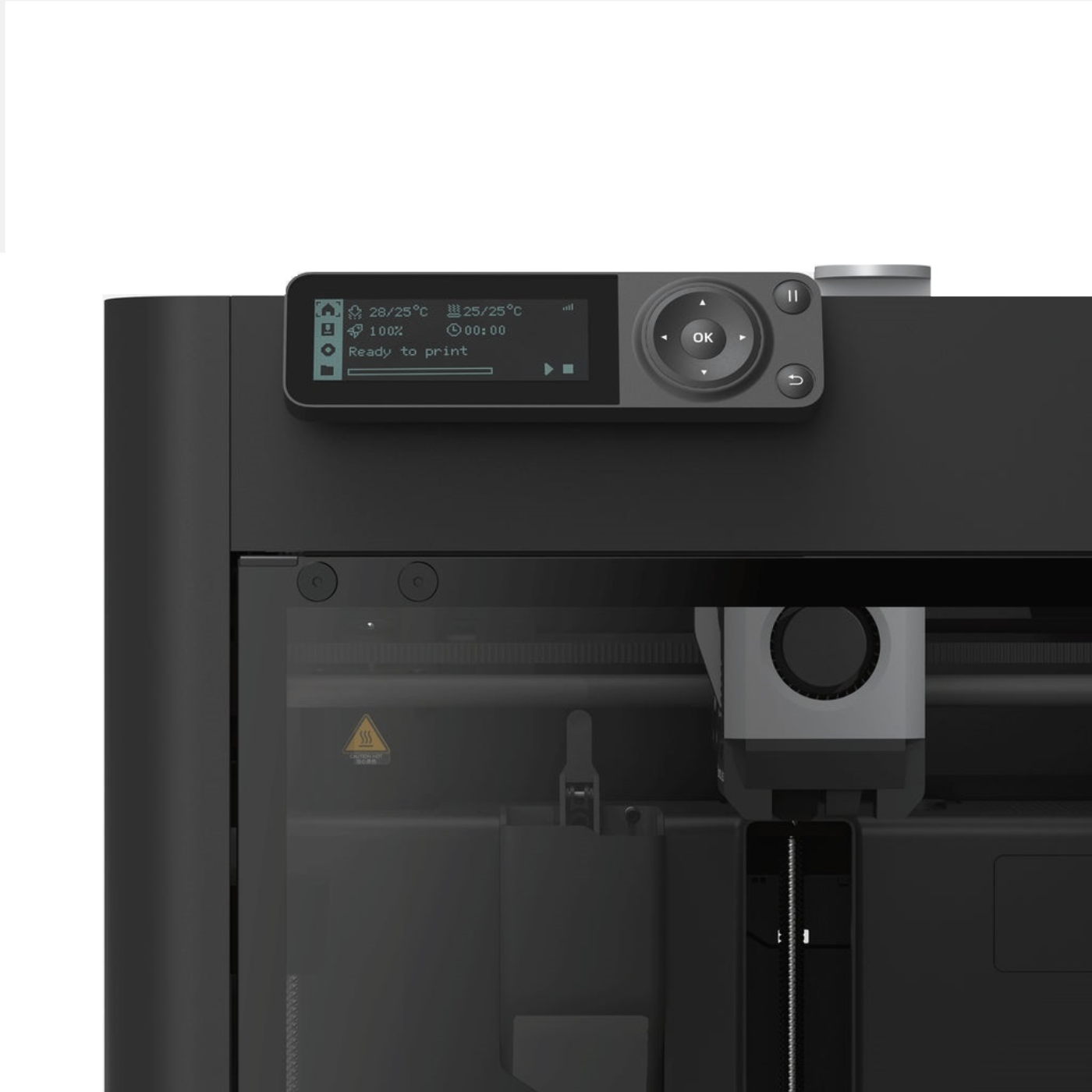
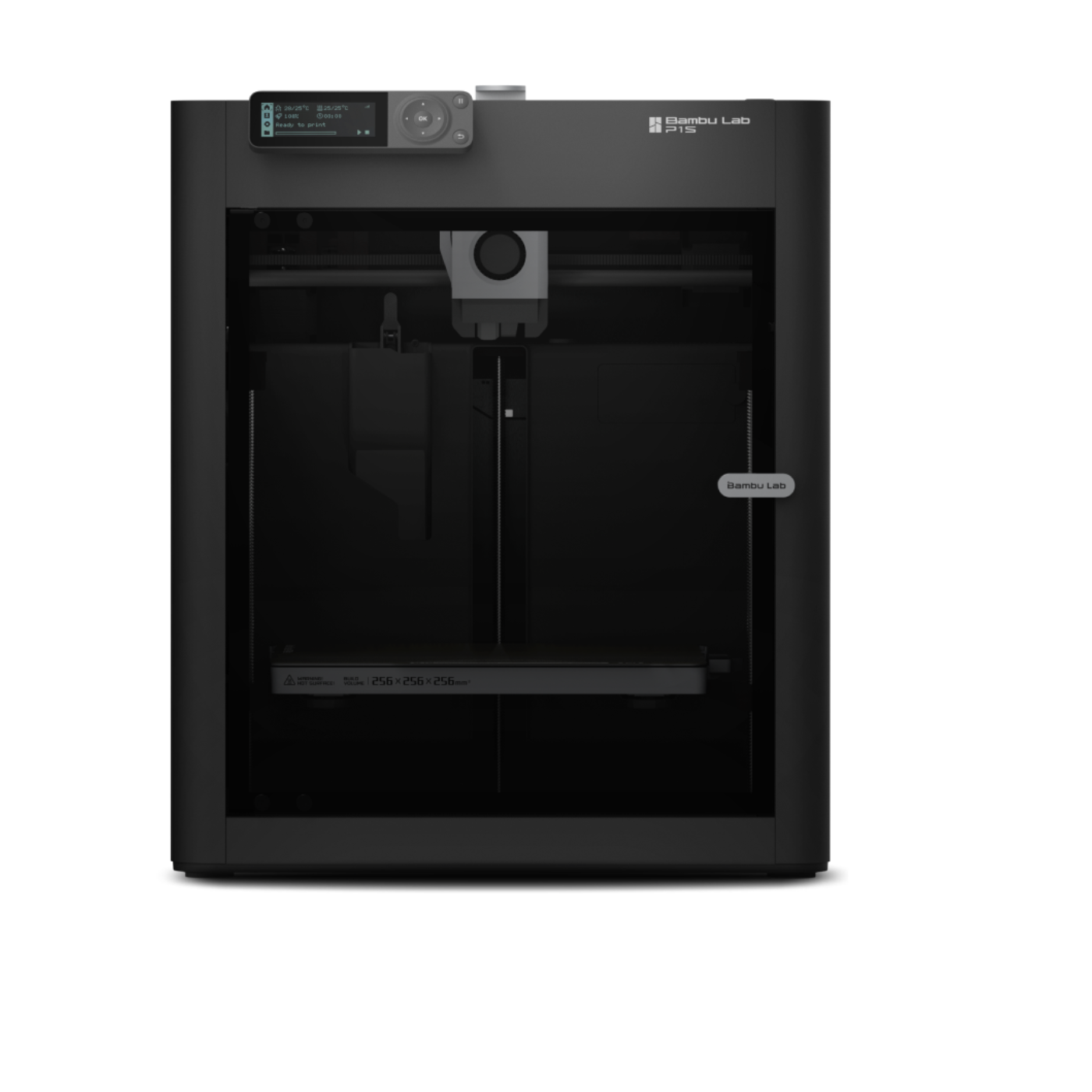
The Bambu Lab P1S is a powerful desktop 3D printer designed to handle advanced printing tasks while staying easy to use for beginners and professionals. Its fully enclosed chamber keeps the printing environment stable, making it ideal for high-temperature materials like ABS, PETG, and Nylon.
With a build volume of 256 × 256 × 256 mm, the P1S gives you plenty of space for creative models, functional parts, prototypes, and production work. The printer includes smart features like automatic bed leveling, vibration compensation, and fast printing speeds—so you can start printing confidently without constant adjustments.
All-around performance right out of the box
It just works right out of the box. You don't have to mess with it, just simply hit print, and the printer will handle all the calibrations (Auto-Bed Leveling, Vibration compensation) for you. Enjoy trouble-free printing every time with your P1S.
Print fast with exceptional quality
Cutting-edge control algorithm with the help of vibration compensation and pressure advance, bringing you lightning-fast print speed without compromising on quality.
Sync with Bambu Studio and Bambu Handy
Remote control and monitor your printer on Bambu Studio or Bambu Handy. Through the built-in camera, you can also record timelapse videos.
Direct-drive Extruder
The P1 series features a direct-drive extruder design, where the motor is directly connected to the extruder. This allows for superior control over extrusion and retraction, especially with flexible filaments-ensuring precise, consistent flow for smooth, blur-free prints.
Expand Printing Possibilities
Equipped with the official Bambu enclosure, you can easily print advanced filaments, enabling greater flexibility to experiment with new materials and creative designs.
Features
Ready to use out of the box – setup completed in just 15 minutes
Seamlessly integrated hardware and software for a smooth experience
Enclosed design for reliable high-temperature filament printing
Supports up to 16-color printing with AMS for vibrant, complex models
High-speed performance with 20,000 mm/s² acceleration – prints a benchy in just 18 minutes
Built-in camera for remote monitoring and timelapse recording
₹644409.99
Incl. GST (No Hidden Charges)
In Store Pickup
Same Day Shipping
MRP. ₹789990.00
Incl. GST (No Hidden Charges)
Bambu Lab P1S 3D Printer
Bambu Lab P1S 3D Printer The Bambu Lab P1S is a powerful desktop 3D printer designed to handle advanced printing tasks while staying easy to use for beginners and professionals. …
As low as
₹644409.99
₹644409.99
MRP. ₹789990.00
Incl. GST (No Hidden Charges)
In Store Pickup
Same Day Shipping
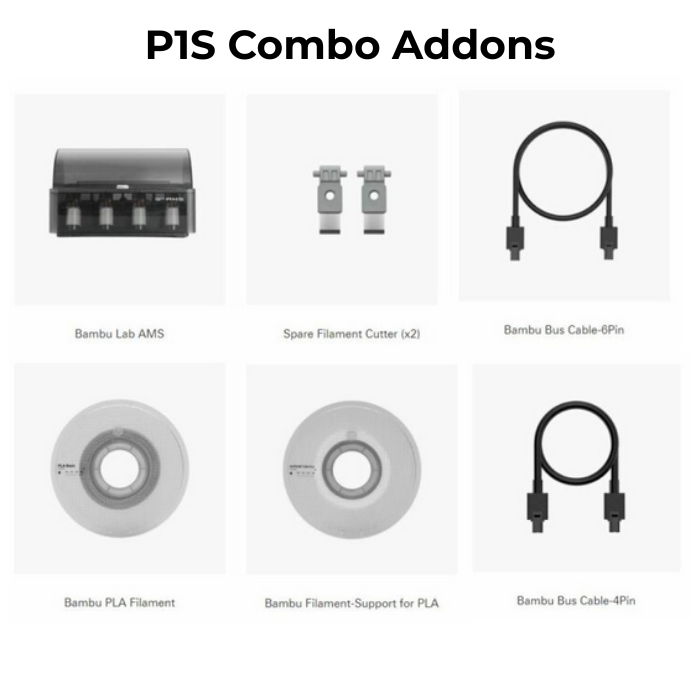
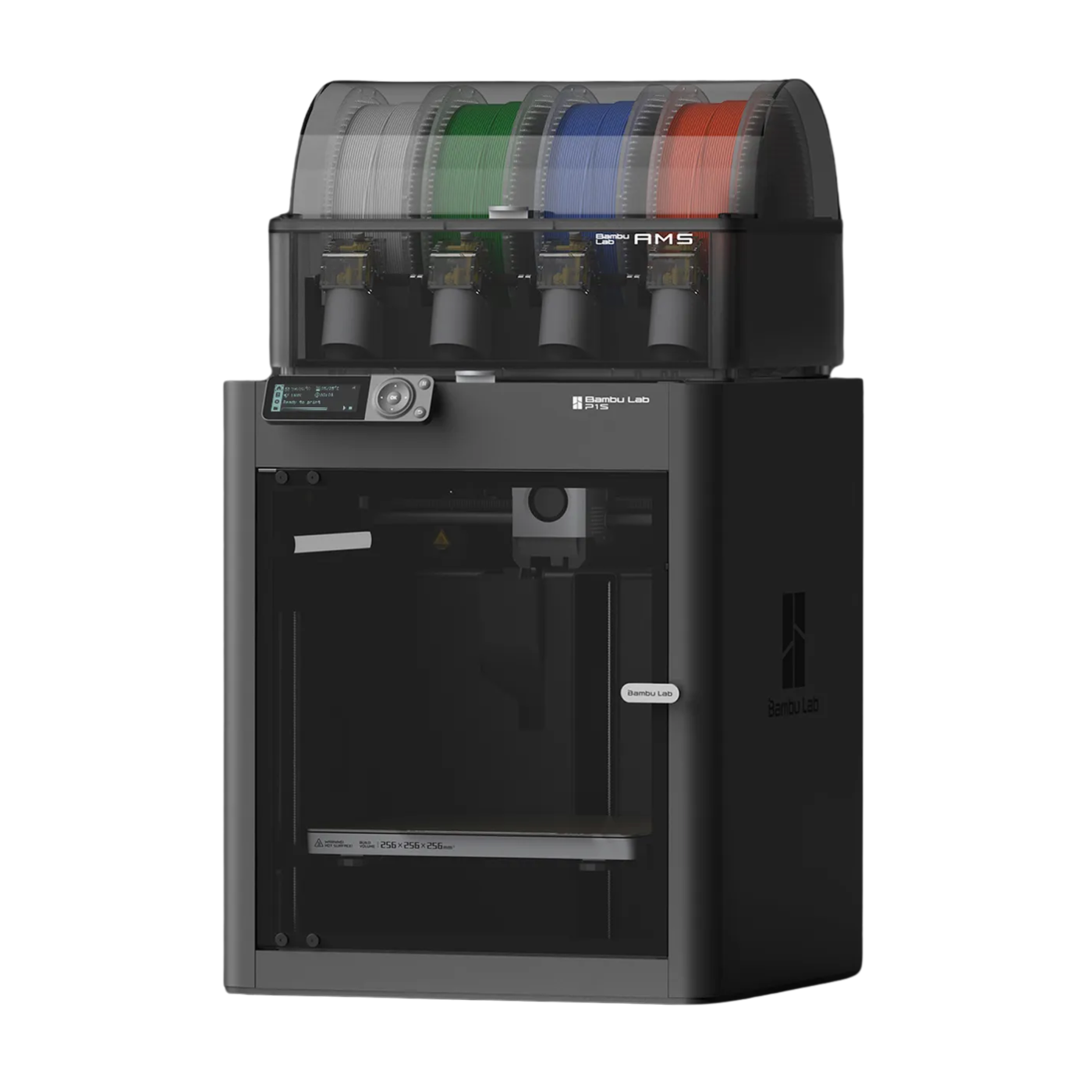
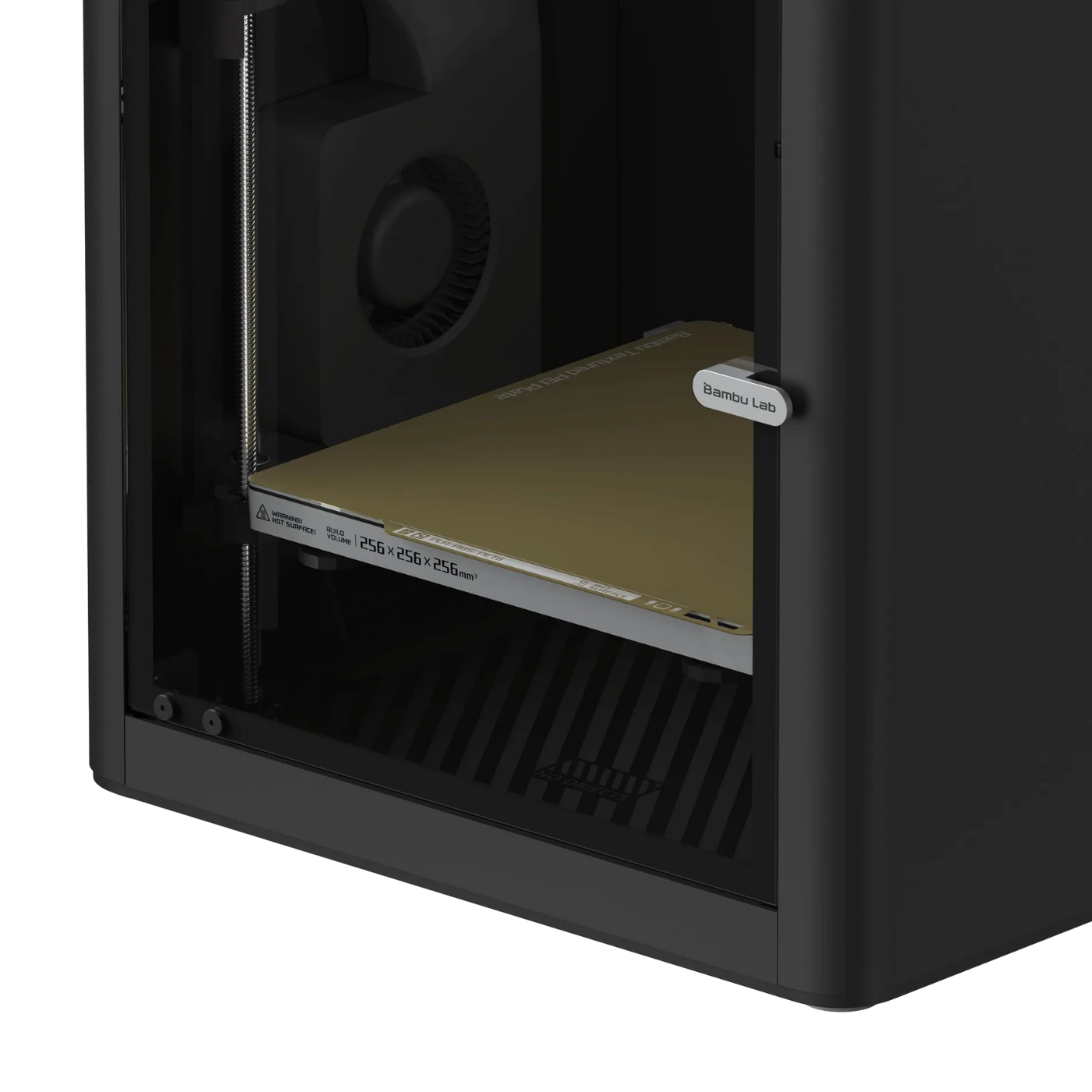
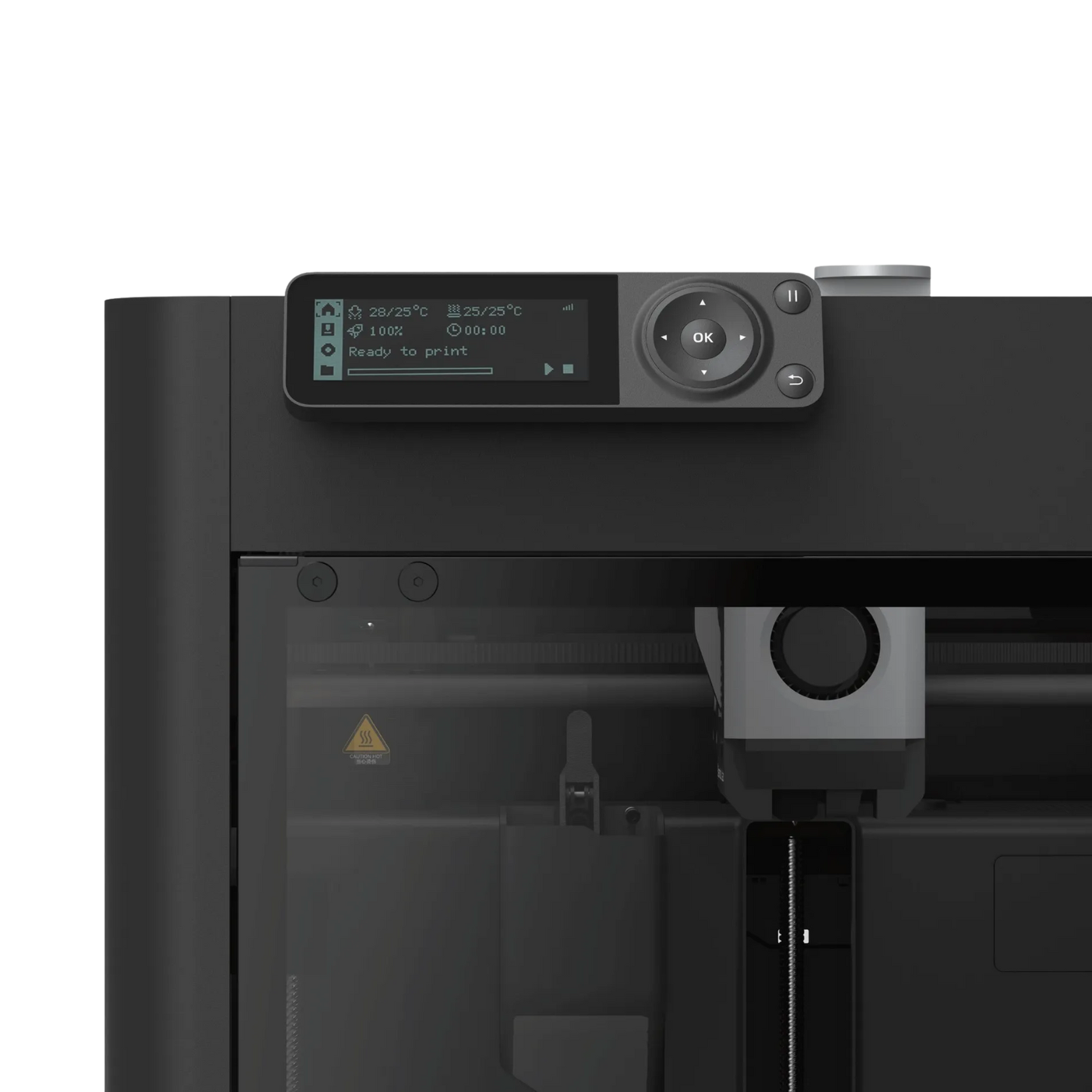
Bambu Lab P1S 3D Printer Combo
Bambu Lab P1S 3D Printer Combo
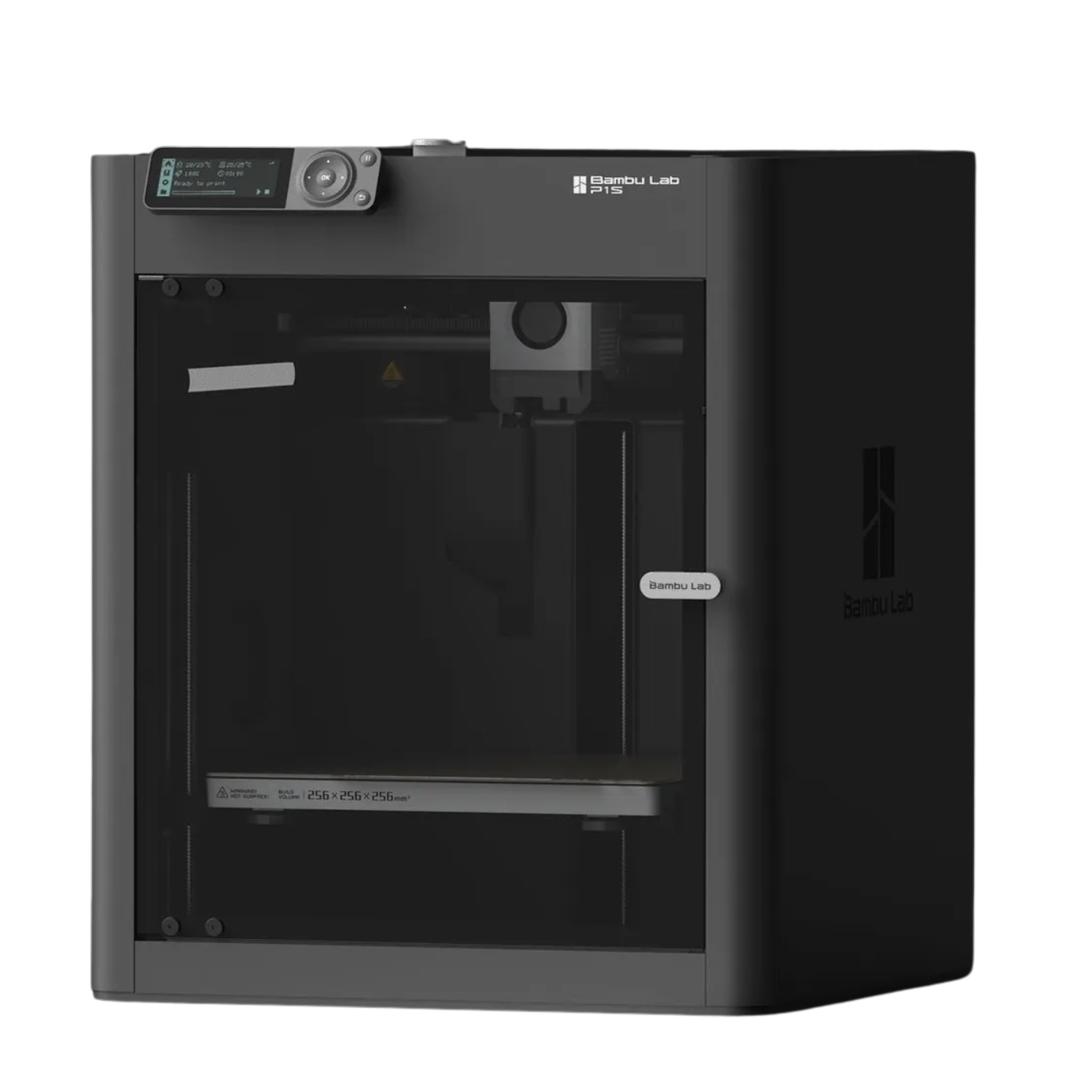
With the Bambu Lab P1S Combo 3D printer, experience high-speed, multi-color 3D printing. This plug-and-play 3D printer machine features an enclosed chamber for stable, high-temperature printing and supports up to 16-color printing with Advanced Waveform Sharing (AWS). With 20,000 mm²/s² acceleration, it delivers fast, accurate results for both professionals and makers. Ideal for complex designs, prototypes, and production, get your hands on the P1S Combo DIY 3D Printer in India for a powerful, reliable printing experience.
All-around performance right out of the box
It just works right out of the box. You don't have to mess with it, just simply hit print, and the printer will handle all the calibrations (Auto-Bed Leveling, Vibration compensation) for you. Enjoy trouble-free printing every time with your P1S.
Multi-color capability
Get the AMS combo to unleash Multi-color printing capability. (up to 16-color if you stack up 4 AMS units). Purchase additional AMS units for more colors.
Print fast with exceptional quality
Cutting-edge control algorithm with the help of vibration compensation and pressure advance, bringing you lightning-fast print speed without compromising on quality.
Sync with Bambu Studio and Bambu Handy
Remote control and monitor your printer on Bambu Studio or Bambu Handy. Through the built-in camera, you can also record timelapse videos.
Direct-drive Extruder
The P1 series features a direct-drive extruder design, where the motor is directly connected to the extruder. This allows for superior control over extrusion and retraction, especially with flexible filaments—ensuring precise, consistent flow for smooth, blur-free prints.
Expand Printing Possibilities
Equipped with the official Bambu enclosure, you can easily print advanced filaments, enabling greater flexibility to experiment with new materials and creative designs.
Features
Ready to use out of the box – setup completed in just 15 minutes
Seamlessly integrated hardware and software for a smooth experience
Enclosed design for reliable high-temperature filament printing
Supports up to 16-color printing with AMS for vibrant, complex models
High-speed performance with 20,000 mm/s² acceleration – prints a benchy in just 18 minutes
Built-in camera for remote monitoring and timelapse recording
₹86236.24
MRP. ₹174998.60
Incl. GST (No Hidden Charges)
Incl. GST (No Hidden Charges)

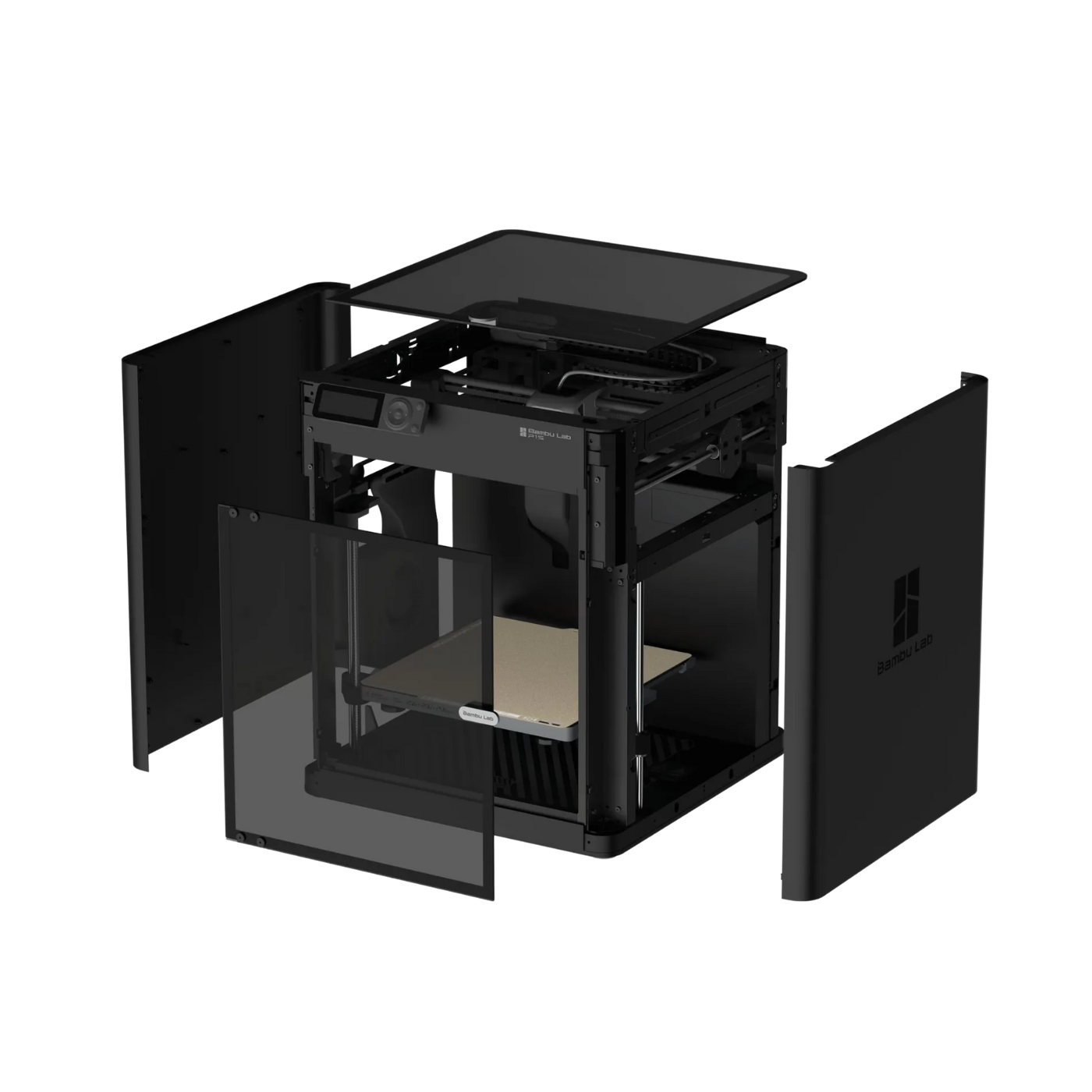
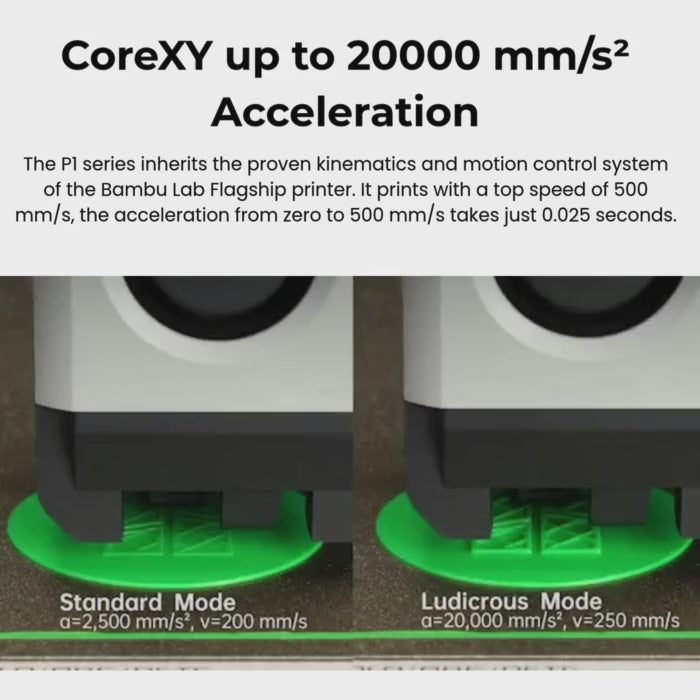
Bambu Lab P1S 3D Printer Combo
Bambu Lab P1S 3D Printer Combo With the Bambu Lab P1S Combo 3D printer, experience high-speed, multi-color 3D printing. This plug-and-play 3D printer machine features an enclosed chamber for stable, …
As low as
₹86236.24
₹86236.24
MRP. ₹174998.60
Incl. GST (No Hidden Charges)
Bambu Lab P2S-Combo 3D Printer
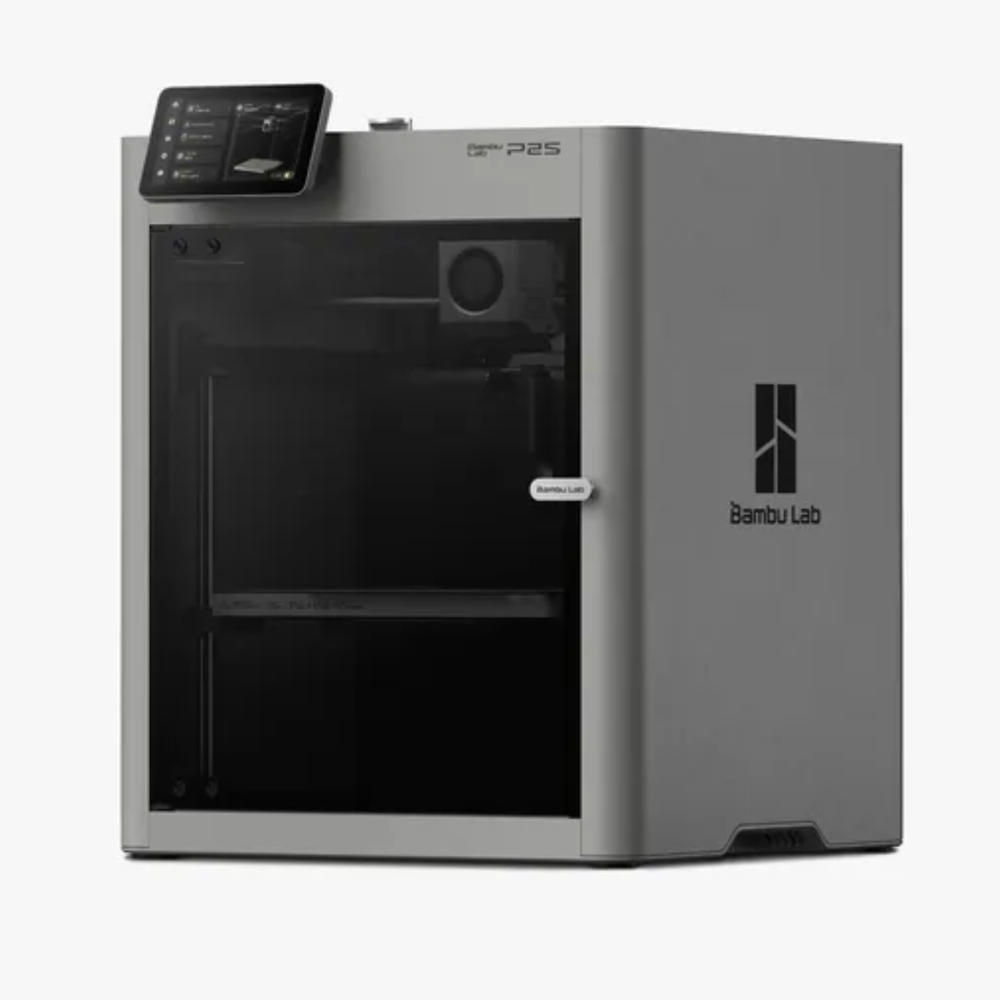
Bambu Lab P2S-Combo 3D Printer
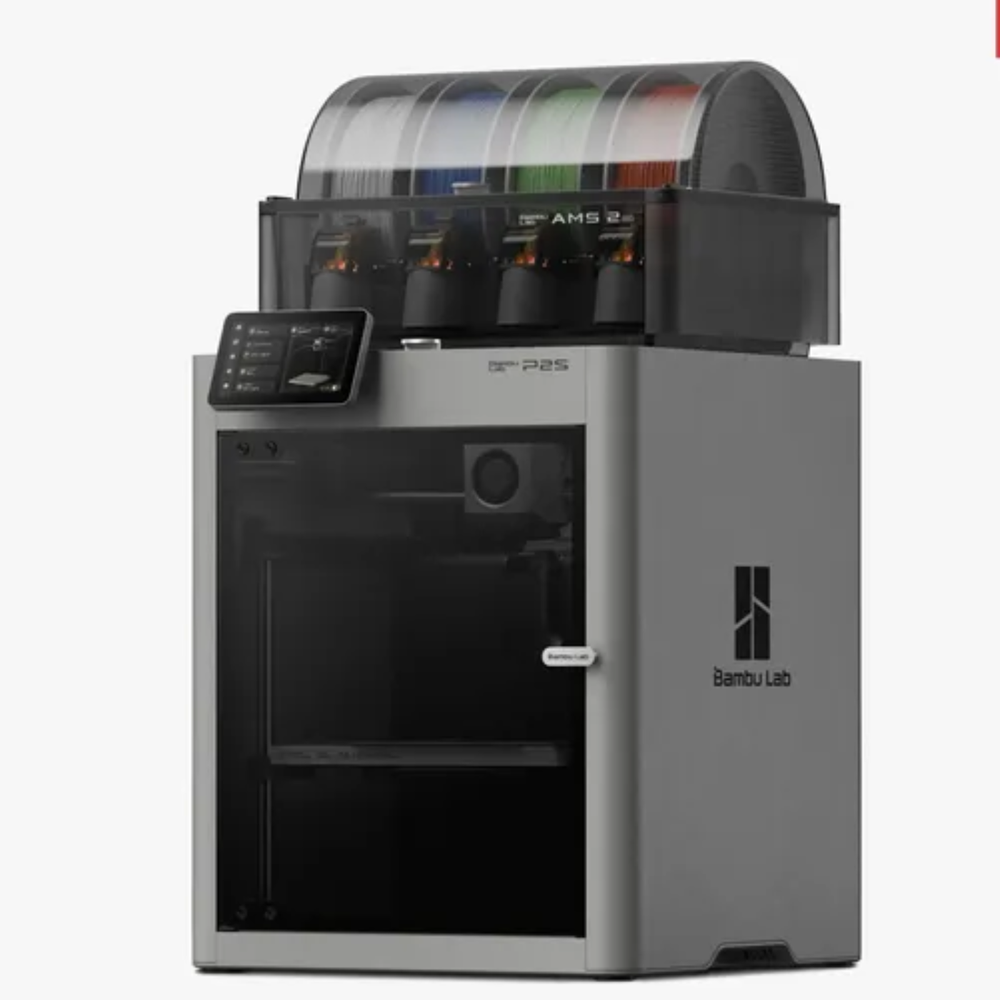
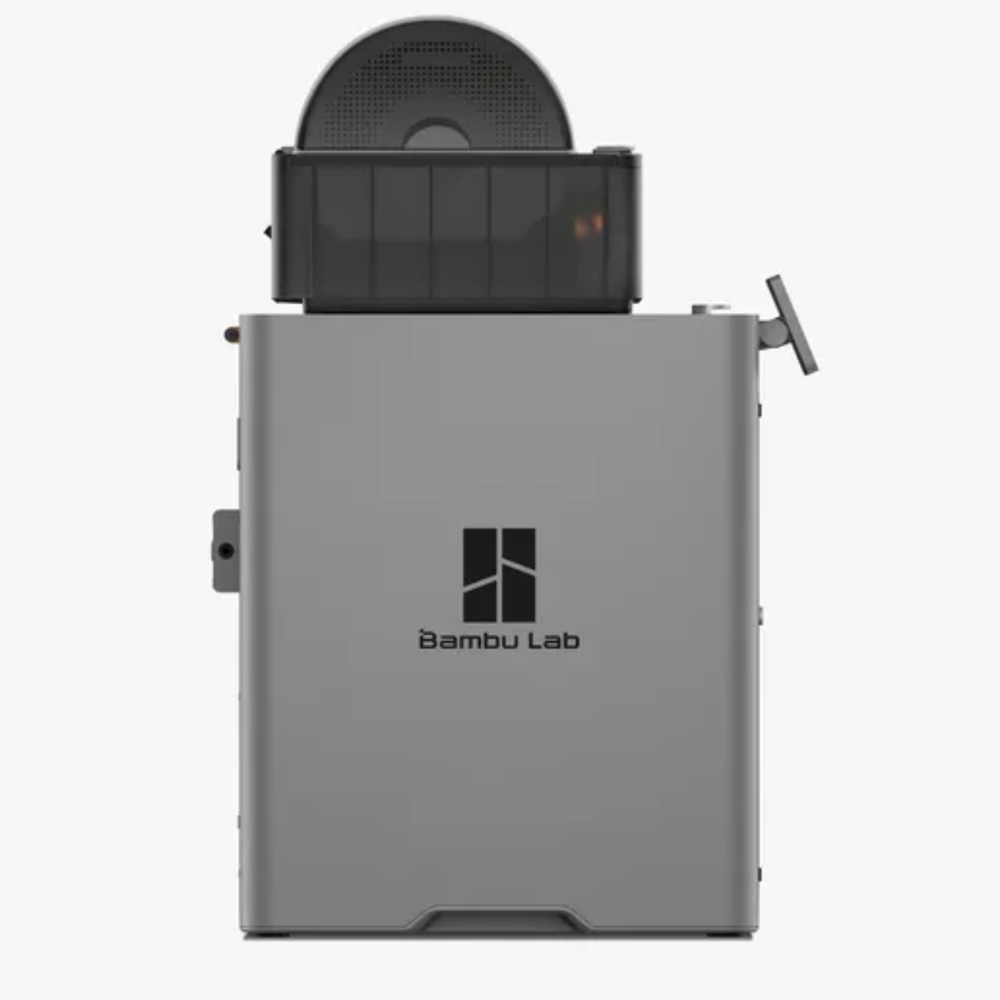
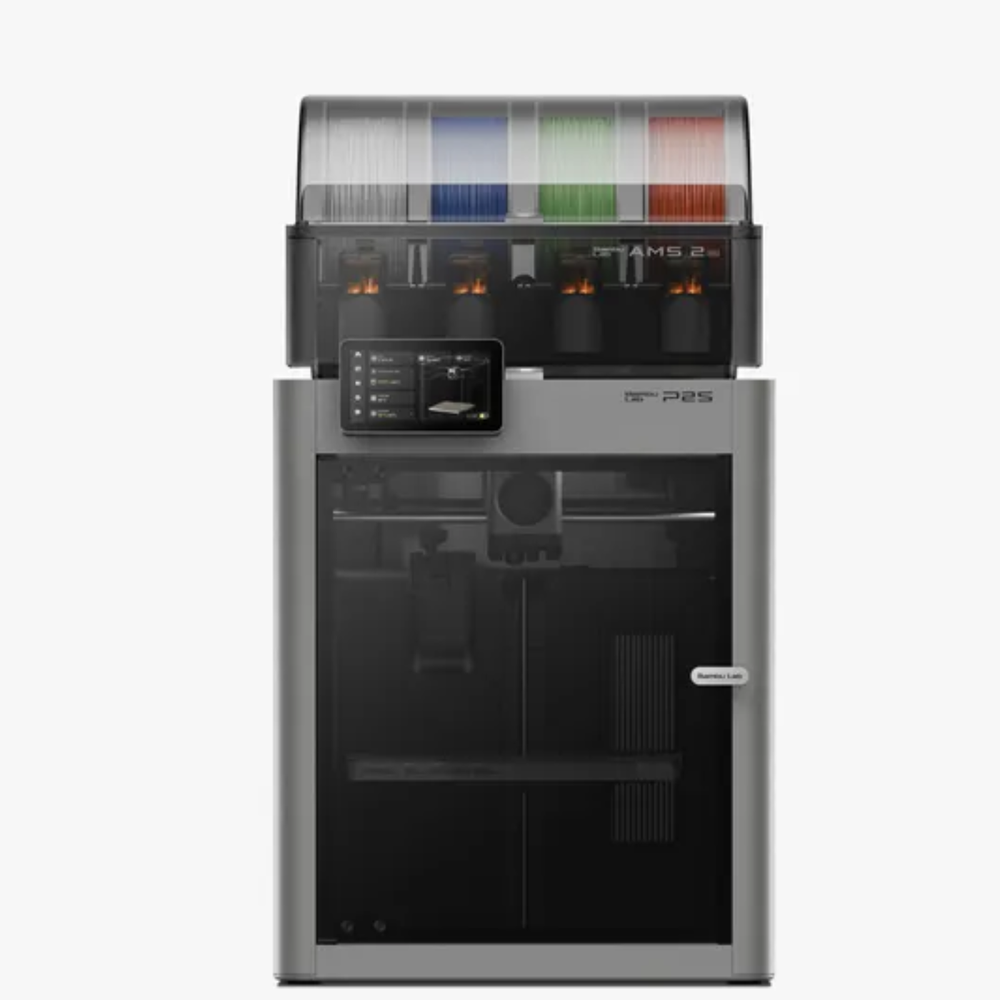
The Bambu Lab P2S-Combo 3D Printer is designed for creators who demand precision, durability, and reliability in every print. Built on advanced Fused Deposition Modeling (FDM) technology, it delivers a generous 256 × 256 × 256 mm build volume within a sturdy plastic-and-steel chassis and sleek glass exterior. The hardened steel nozzle and extruder gear ensure long-term performance even with abrasive filaments.
Supporting nozzle sizes from 0.2 mm to 0.8 mm, the P2S-Combo adapts effortlessly to fine detailing or fast prototyping. With high-precision motors and a flexible steel build plate, it offers consistent, professional-grade results for engineers, designers, and makers alike.
5-inch Touch Screen
The P2S comes with a completely enhanced touchscreen and a robust processor, operating on our fresh, user-friendly second generation interface. Experience more fluid interactions, enhanced visuals, and more precise step-by-step guidance.
Print Smooth at Every Corner, Always
The P2S employs a sensor that operates with high resolution and frequency to assess flow dynamics. Smart algorithms continuously modify the flow rate in response to these measurements, ensuring accurate and uniform extrusion throughout each layer and every corner.
Adaptive Airflow System
In contrast to conventional cooling methods that recirculate warmed air, the P2S’s Adaptive Airflow System intakes cool air straight from the exterior of the chamber. This greatly enhances cooling performance, allowing you to safely print low temperature filaments with the door shut without concern for overhang integrity or blockages in the nozzle.
AI Error Detection
The P2S features state of the art AI visual technology that continuously identifies frequent printing problems like spaghetti and nozzle blobbing. Additionally, it evaluates your initial print settings to guarantee a secure and precise beginning for each printing task.
30-Second Nozzle Swap
The P2S includes a fast switch hotend configuration with an easy one clip system that detaches the complete nozzle and heatsink unit without needing to disconnect any wires. This significantly decreases the time needed to change nozzles and removes the possibility of wiring mistakes.
No-Lag Liveview and High-Quality Timelapse.
Enhanced LED illumination significantly boosts the sharpness of your live view footage and time-lapse recordings. When used alongside a high frame rate camera and dual band Wi-Fi, you can easily keep an eye on your printer from afar and obtain stunningly lit time-lapses that are ideal for social media sharing.
Reliable for Fiber-Reinforced Material Printing
P2S has designed its extrusion system and nozzle using toughened steel, providing remarkable strength and resistance to wear. They are specifically built for consistent, prolonged printing of advanced materials that contain fiber reinforcement.
Electromagnetic Air Vent
Automated releasing of air aids in moisture removal while drying and provides airtight enclosure that ensures high quality printing for several weeks.
Faster Multi-Color Printing
The motor that powers the PMSM increases the speed of filament delivery by 60%, resulting in an average time savings of 10 minutes for each 100 changes of filament.
Features:
Multi material and multi color printing AMS 2 Pro enables automatic filament switching and active drying
High speed performance Prints up to 600 mm per second with high acceleration
AI based print monitoring Built in camera detects print failures in real time
Smart user interface Five inch touchscreen with smooth second generation UI
Enclosed and stable build chamber Improves print quality for engineering materials
Large build volume 256 x 256 x 256 mm printing area
Advanced cooling and filtration Adaptive airflow system with activated carbon filter
Easy maintenance design Quick swap hotend for fast nozzle replacement
Wide material compatibility Supports PLA ABS PETG TPU Nylon PC and composite filaments.
₹1161108.39
Incl. GST (No Hidden Charges)
Backorder Available
MRP. ₹1199990.00
Incl. GST (No Hidden Charges)
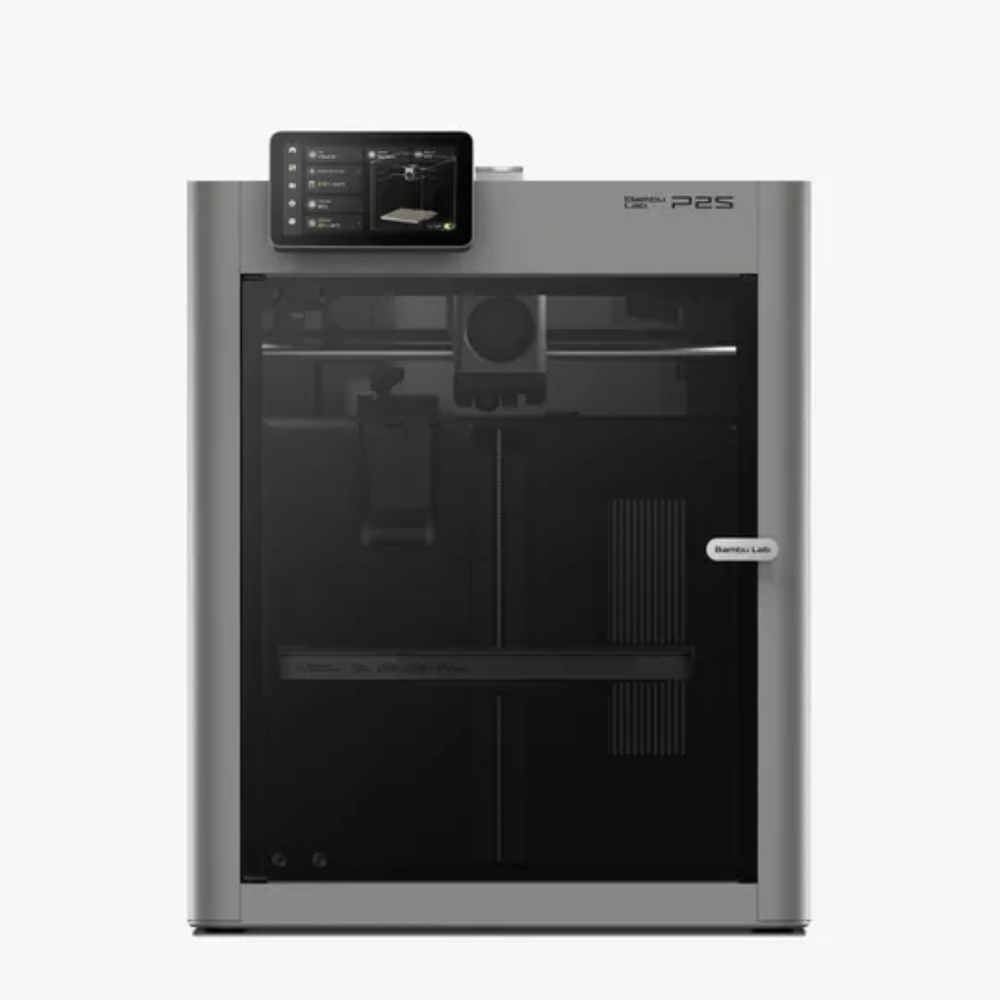
Bambu Lab P2S-Combo 3D Printer
Bambu Lab P2S-Combo 3D Printer The Bambu Lab P2S-Combo 3D Printer is designed for creators who demand precision, durability, and reliability in every print. Built on advanced Fused Deposition Modeling …
As low as
₹1161108.39
₹1161108.39
MRP. ₹1199990.00
Incl. GST (No Hidden Charges)
Backorder Available
Bambu Lab Part Cooling Fan fo…
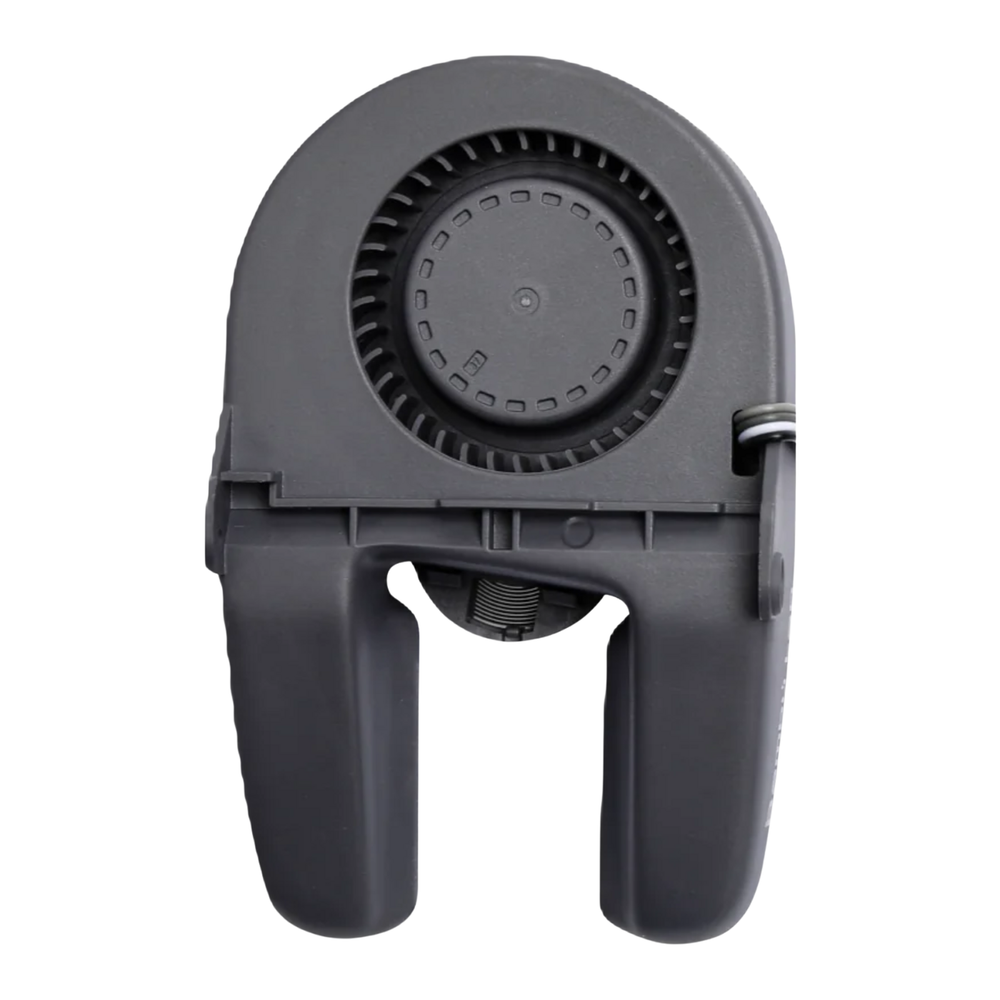
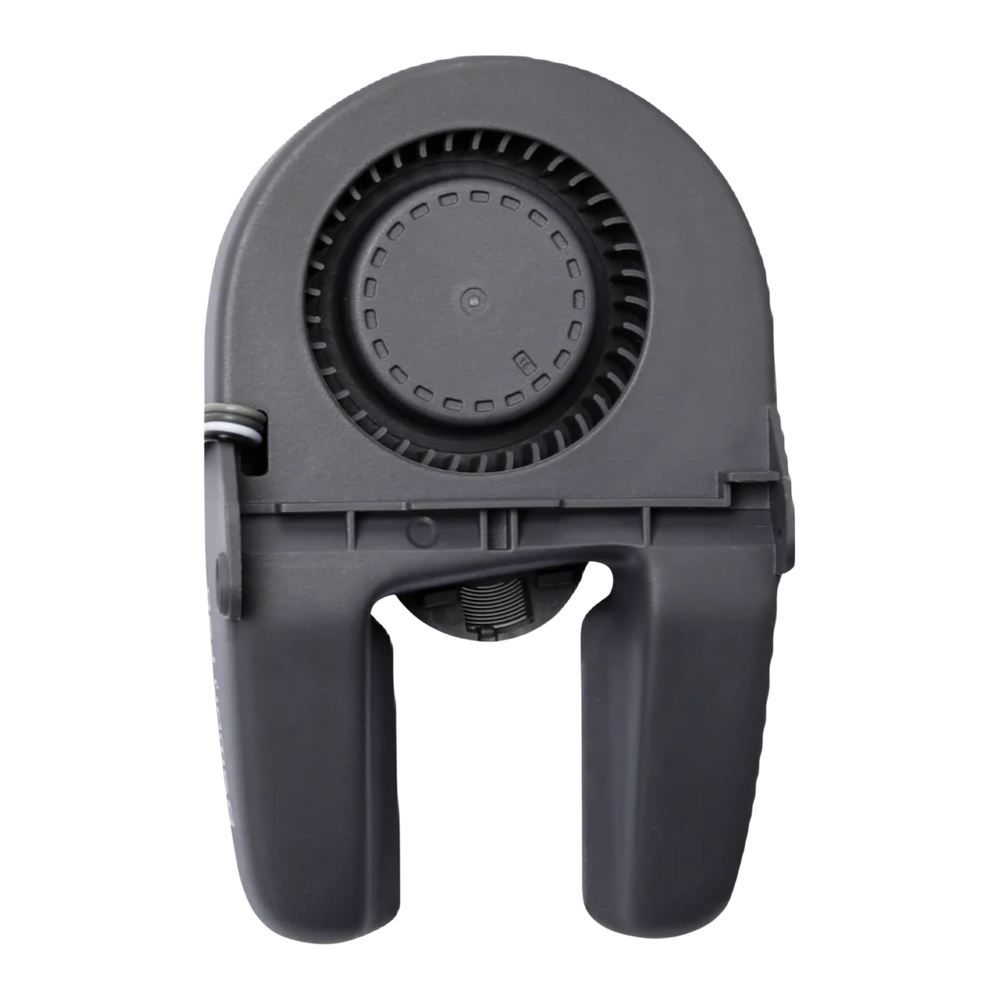
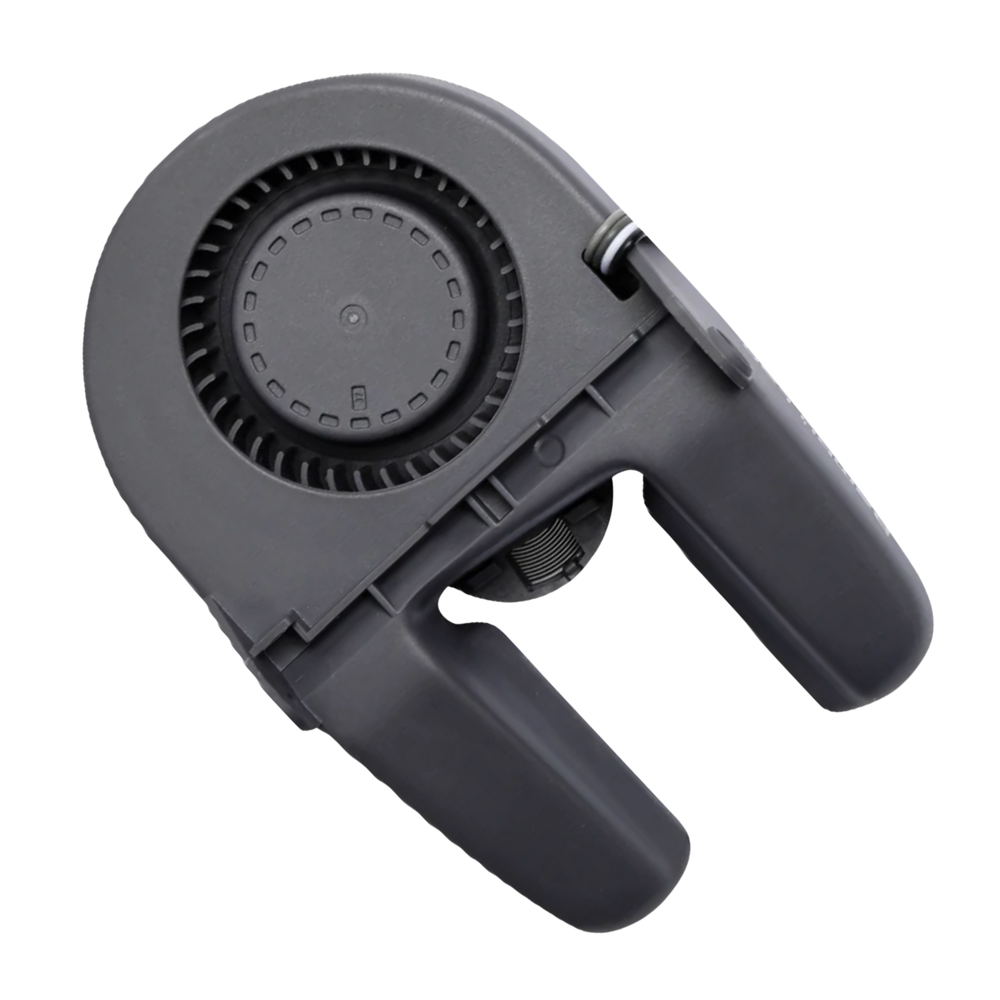
Bambu Lab Part Cooling Fan for A1 Mini, A1 (on Tool Head)
The Bambu Lab Part Cooling Fan for A1 Mini and A1 (on Tool Head) plays a critical role in maintaining optimal print quality during the 3D printing process. Mounted directly on the tool head, this fan rapidly cools the extruded filament immediately after deposition, allowing each printed layer to solidify properly before the next layer is applied. By providing precise and consistent airflow, it helps maintain the shape and structural integrity of prints.
This cooling fan is especially important when printing complex geometries such as overhangs, bridges, and fine details, while also reducing the chances of warping and improving overall surface finish. Designed specifically for compatibility with the Bambu Lab A1 Mini and A1 printers, it ensures reliable and efficient layer cooling for stable and high-quality 3D prints.
Features:
Rapid cooling of extruded material improves layer solidification.
Prevents warping and improves print quality, particularly with overhangs.
Includes screws for a simple installation.
Compatible with A1 Series printers (A1 and A1 Mini).
Durable construction with plastic and metal components.
₹10090.13
Incl. GST (No Hidden Charges)
Backorder Available
MRP. ₹10990.00
Incl. GST (No Hidden Charges)
Bambu Lab Part Cooling Fan for A1 Mini, A1 (on Tool Head)
Bambu Lab Part Cooling Fan for A1 Mini, A1 (on Tool Head) The Bambu Lab Part Cooling Fan for A1 Mini and A1 (on Tool Head) plays a critical role …
As low as
₹10090.13
₹10090.13
MRP. ₹10990.00
Incl. GST (No Hidden Charges)
Backorder Available
Bambu Lab TH Board-A1
Bambu Lab TH Board-A1
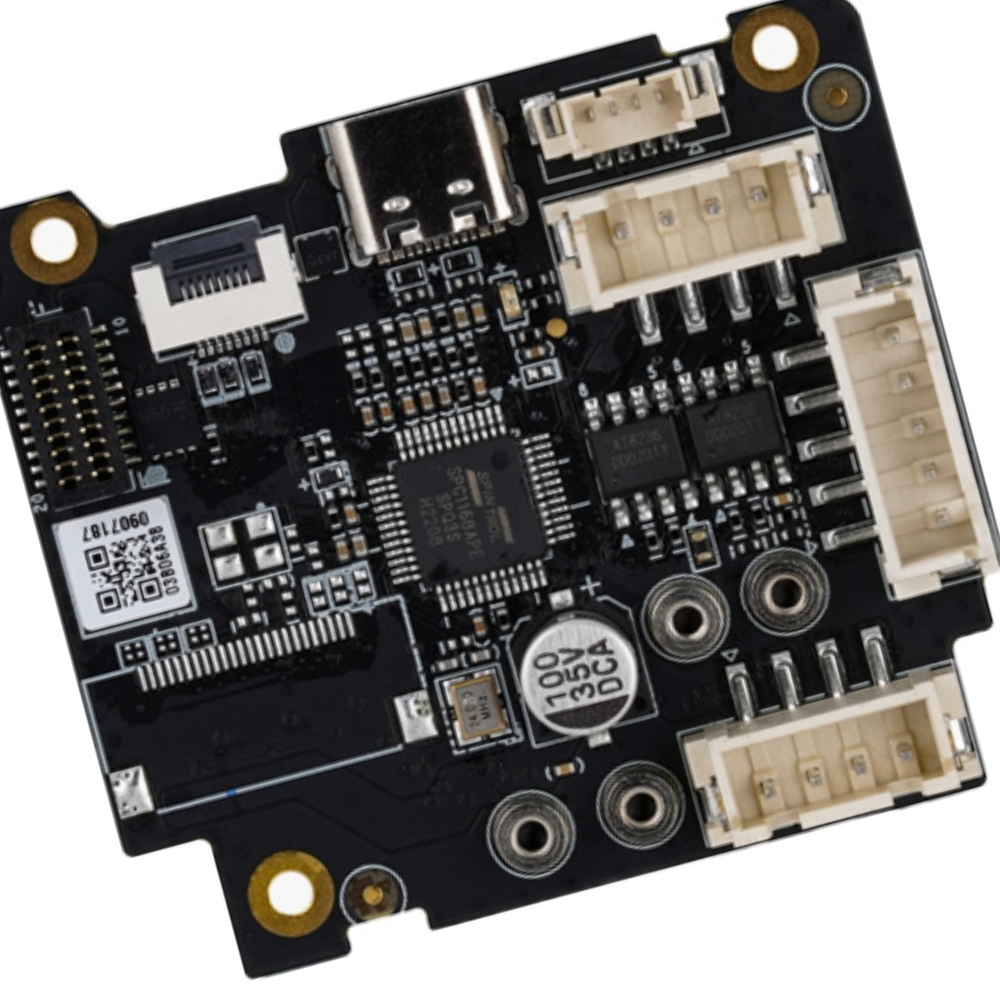
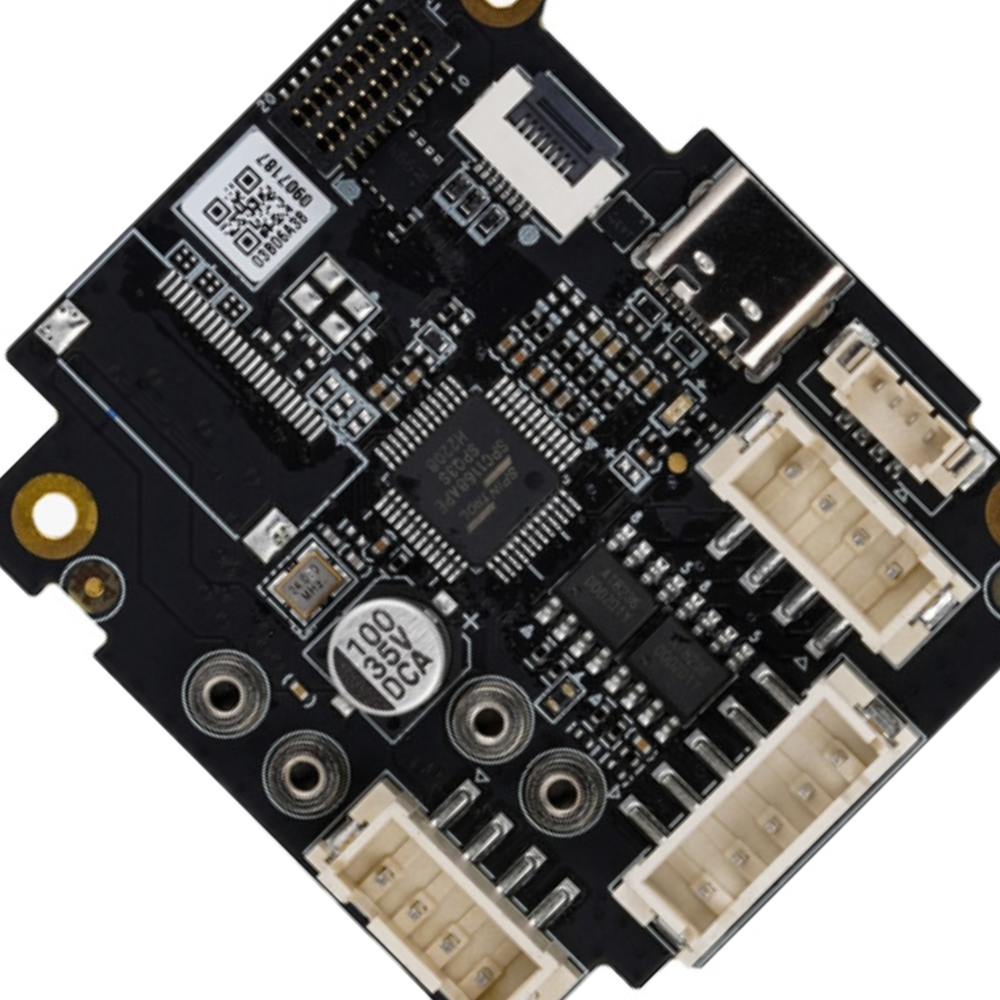
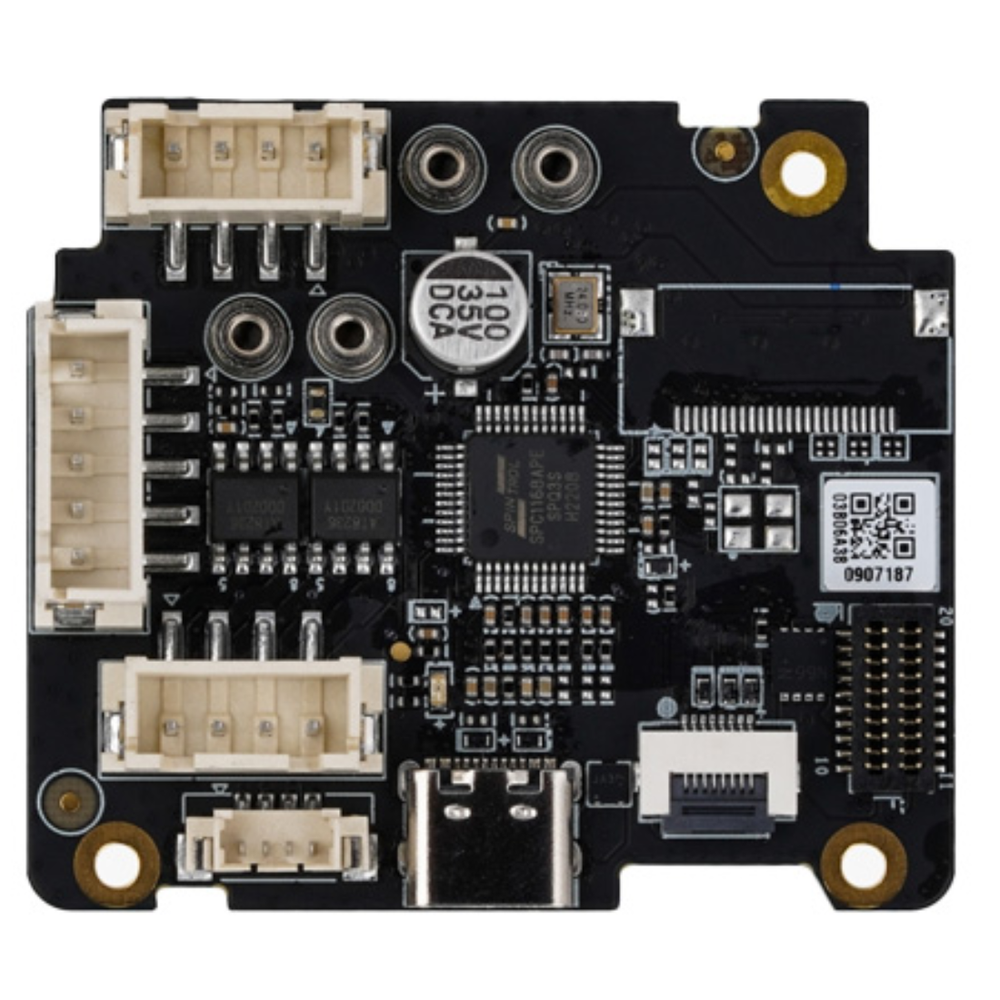
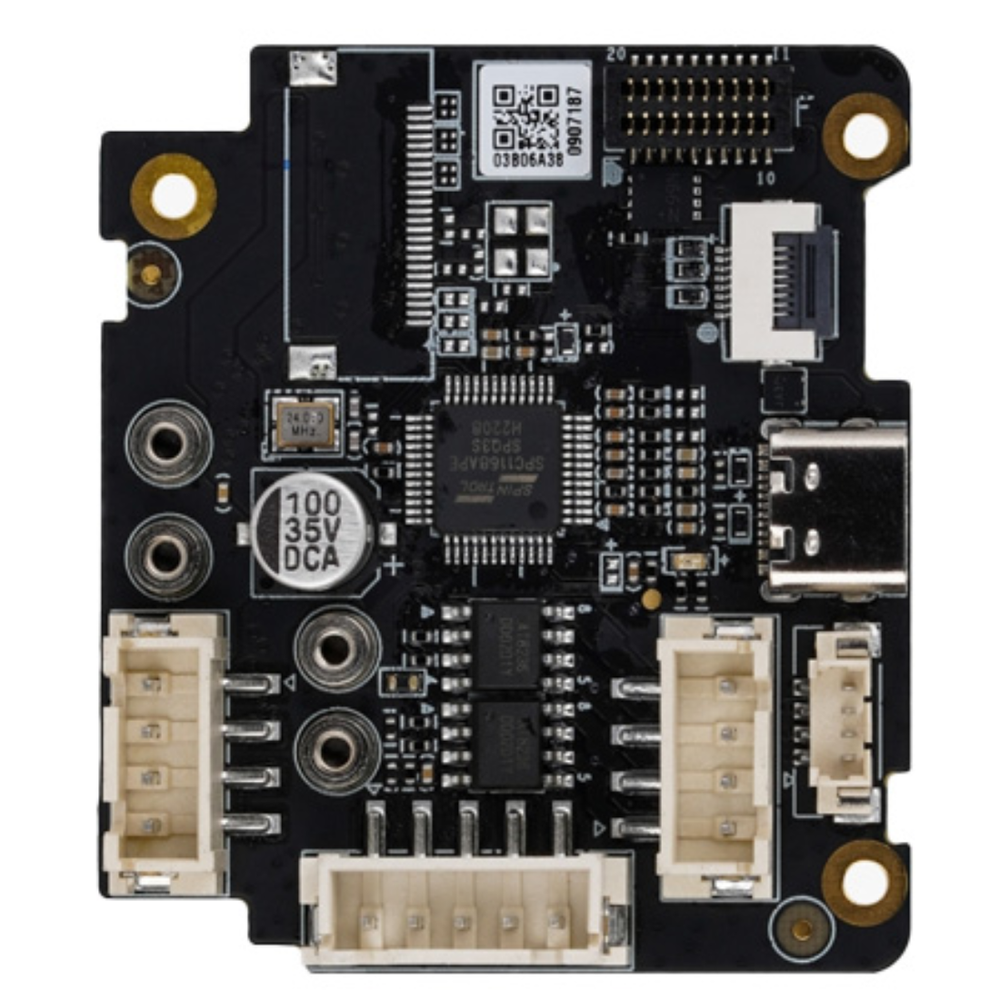
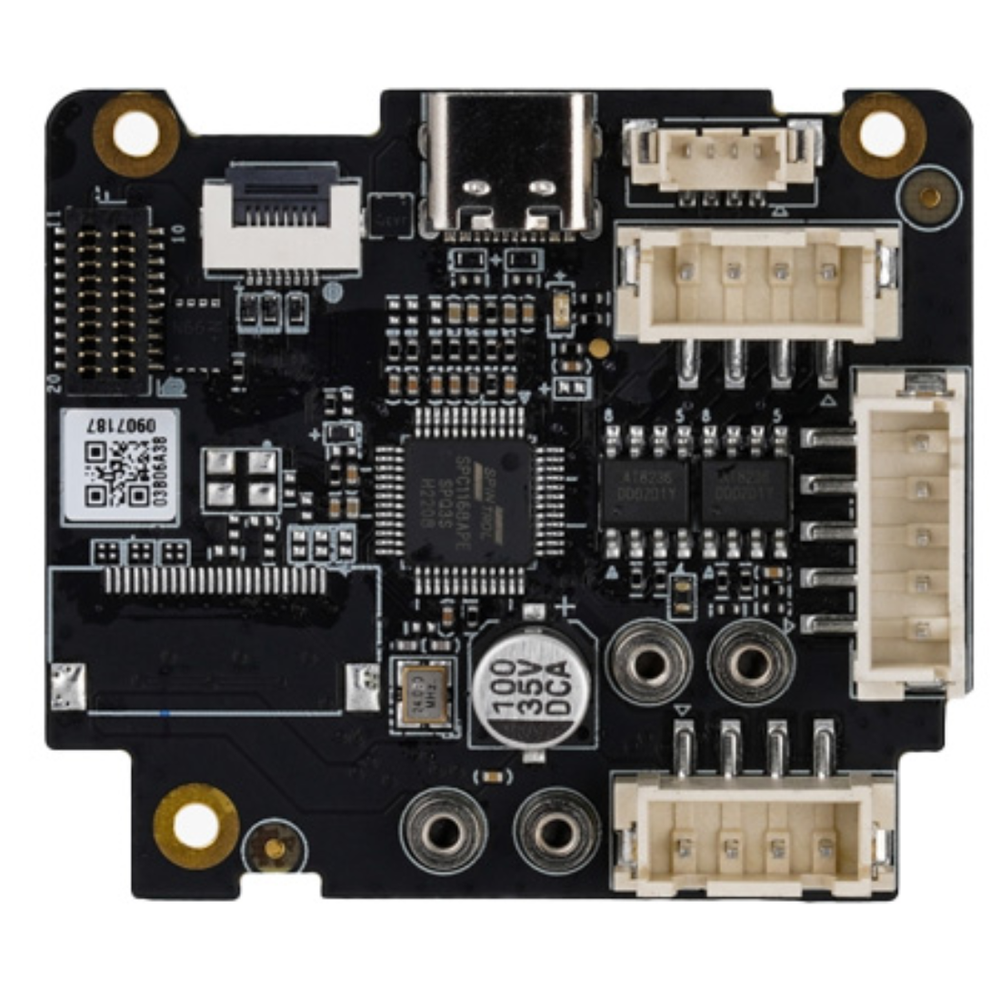
The Bambu Lab TH Board-A1 is a genuine replacement electronic board designed to manage essential toolhead operations in the Bambu Lab A1 3D printer. It plays a crucial role in controlling and coordinating the toolhead components to ensure smooth and accurate printing performance.
Engineered for reliable operation, the TH Board provides stable and consistent control of the printer’s toolhead functions. As an OEM-quality replacement part, it ensures full compatibility with the A1 model, helping maintain optimal printing efficiency and precision.
Ideal for repairs, maintenance, or replacement of damaged boards, the Bambu Lab TH Board-A1 helps restore the functionality of your 3D printer while ensuring dependable and long-lasting performance.
Features:
Compatible with Bambu Lab A1 3D printer toolhead
Manages and controls essential toolhead operations
Ensures stable and consistent printing performance
OEM replacement electronic board for reliable compatibility
Durable construction for long-term use
Easy to install for quick printer maintenance or repair
Helps maintain accurate and smooth printing results
Designed for reliable and efficient toolhead control.
₹29829.17
Incl. GST (No Hidden Charges)
Backorder Available
MRP. ₹32990.00
Incl. GST (No Hidden Charges)
Bambu Lab TH Board-A1
Bambu Lab TH Board-A1 The Bambu Lab TH Board-A1 is a genuine replacement electronic board designed to manage essential toolhead operations in the Bambu Lab A1 3D printer. It plays …
As low as
₹29829.17
₹29829.17
MRP. ₹32990.00
Incl. GST (No Hidden Charges)
Backorder Available
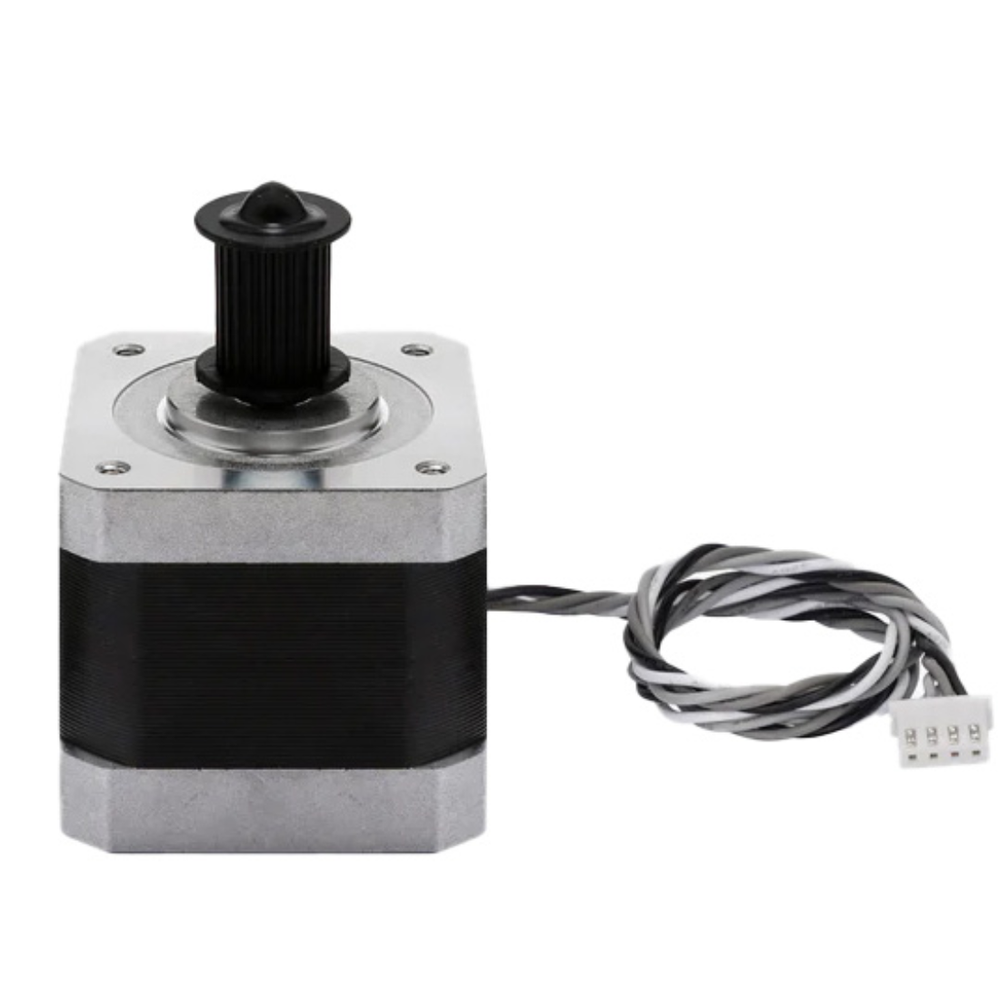
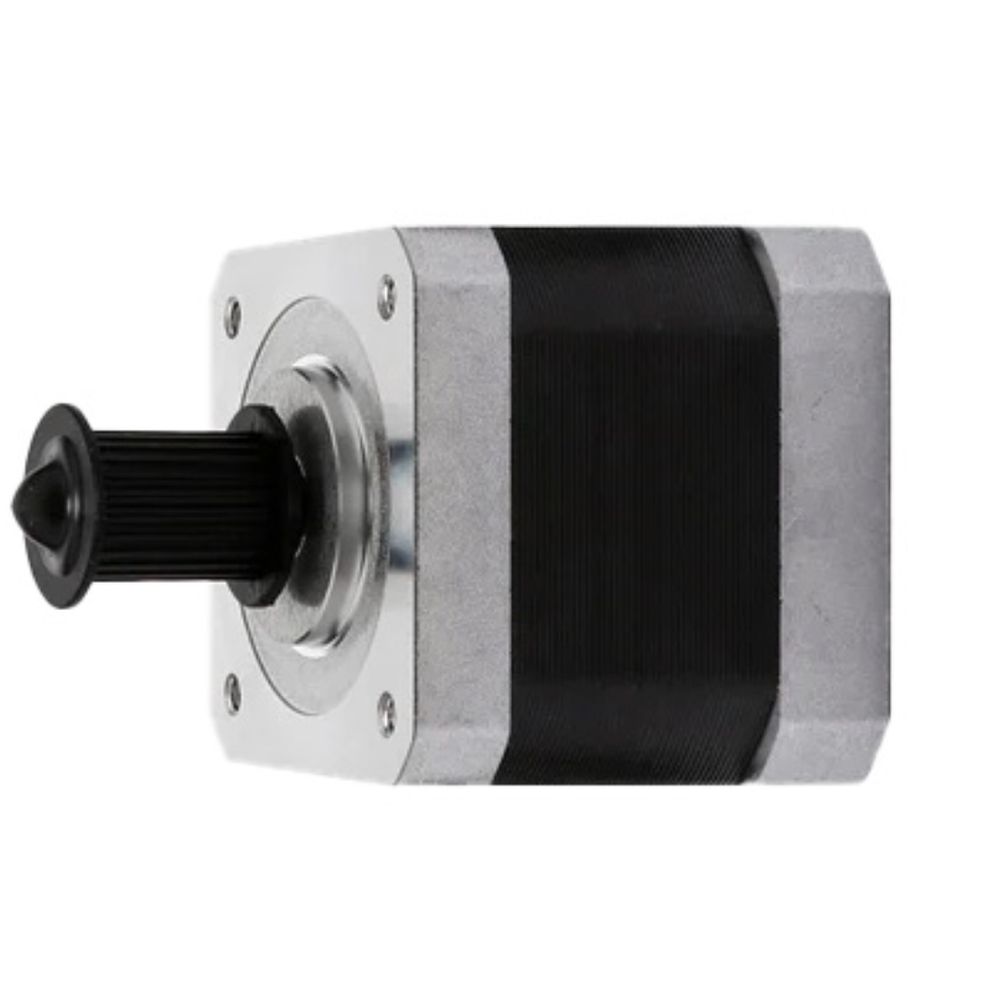
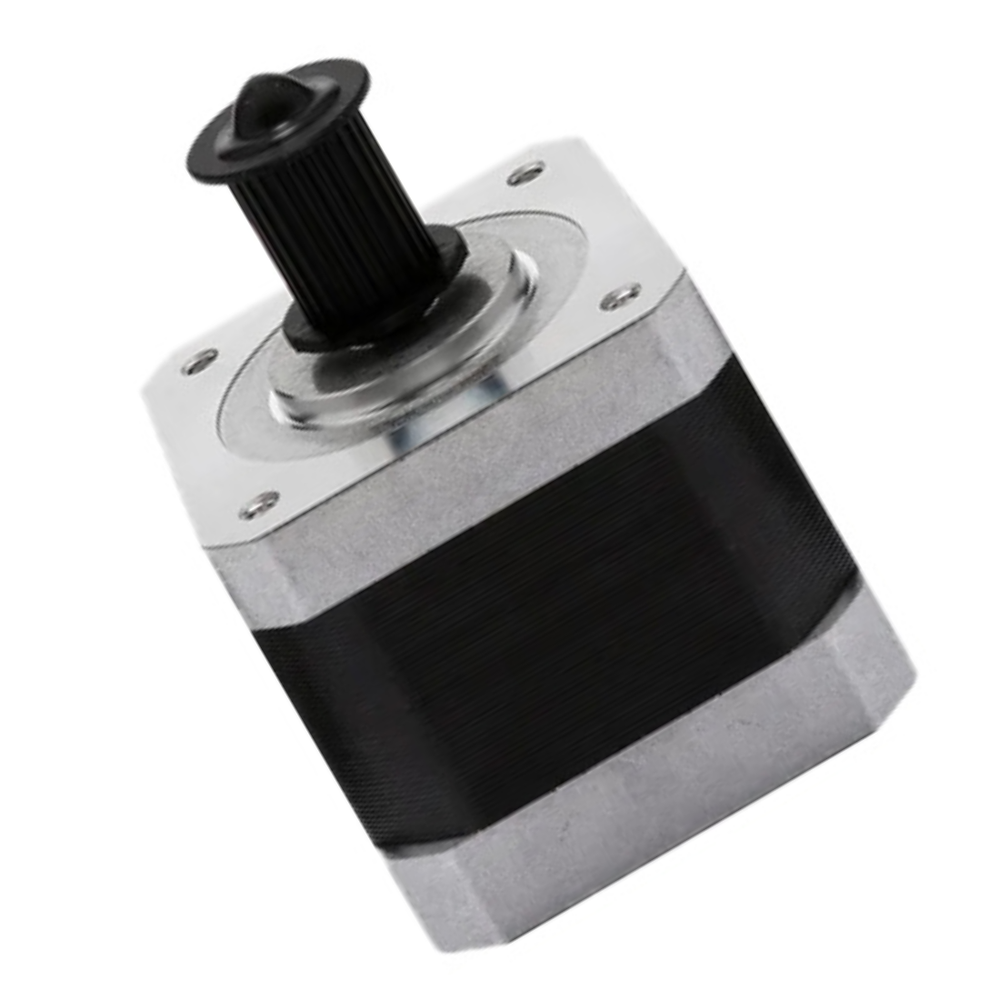
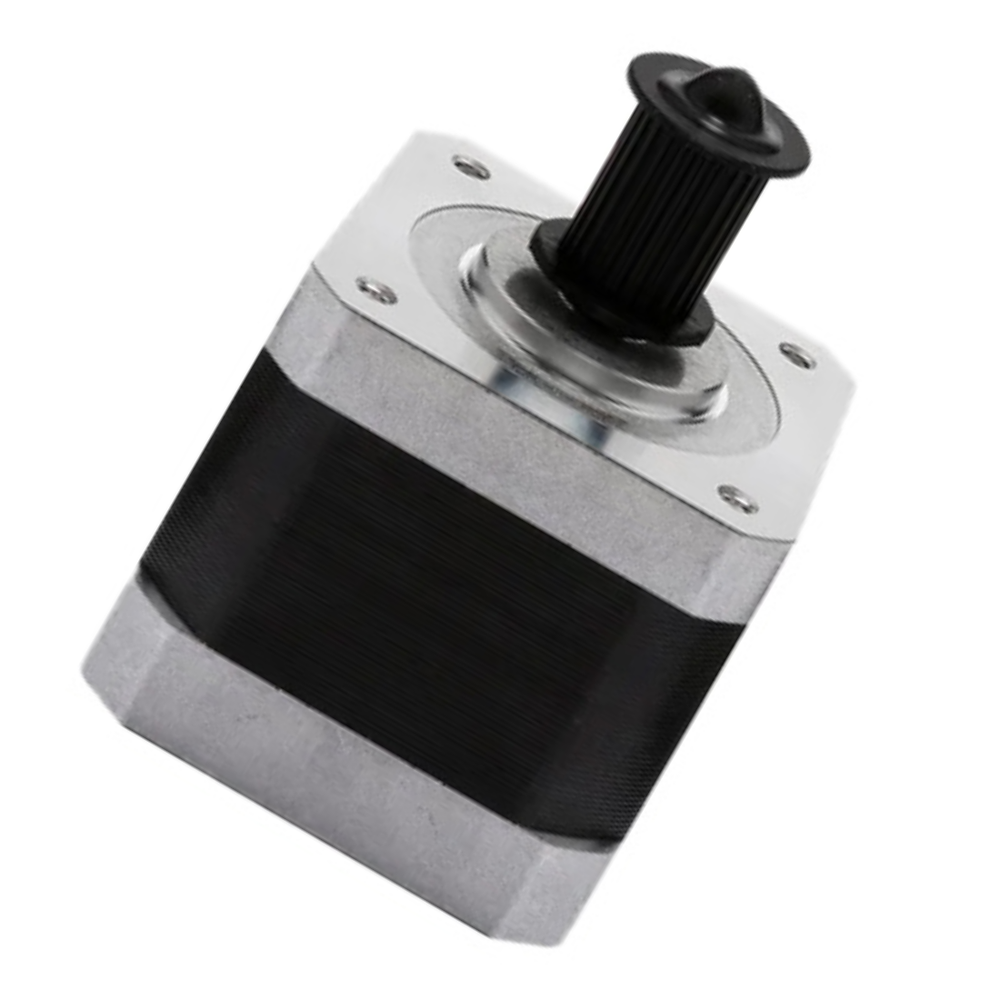
Bambu Lab X Motor for A1
Bambu Lab X Motor for A1
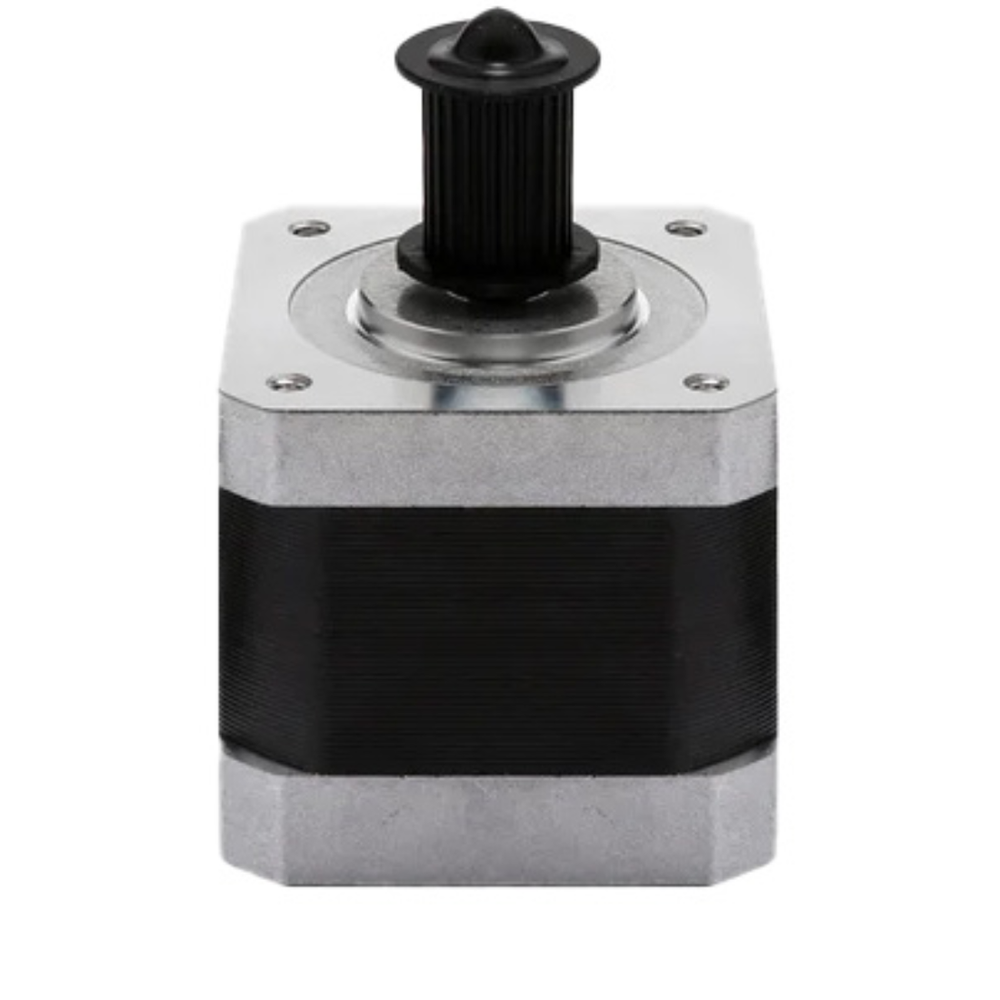
The Bambu Lab X Motor for A1 is a genuine replacement motor designed for the X-axis movement in the Bambu Lab A1 3D printer. It plays a crucial role in controlling the horizontal motion of the print head, ensuring smooth and precise positioning during the printing process.
Built for reliability and consistent performance, this motor helps maintain accurate layer placement and stable movement across the X-axis. As an OEM-compatible component, it ensures seamless integration with the A1 printer, restoring optimal functionality when replacing a worn or damaged motor.
Ideal for repairs or maintenance, the Bambu Lab X Motor for A1 helps keep your 3D printer operating efficiently, delivering dependable motion control and improved printing accuracy.
Features:
Compatible with Bambu Lab A1 3D printer
Controls X-axis movement for precise print head positioning
Ensures smooth and stable motor performance
OEM replacement motor for reliable compatibility
Helps maintain accurate and consistent printing results
Durable construction for long-term operation
Ideal for replacing damaged or worn printer motors
Easy installation for maintenance and repair
₹29829.17
Incl. GST (No Hidden Charges)
Backorder Available
MRP. ₹32990.00
Incl. GST (No Hidden Charges)
Bambu Lab X Motor for A1
Bambu Lab X Motor for A1 The Bambu Lab X Motor for A1 is a genuine replacement motor designed for the X-axis movement in the Bambu Lab A1 3D printer. …
As low as
₹29829.17
₹29829.17
MRP. ₹32990.00
Incl. GST (No Hidden Charges)
Backorder Available
Bambu Lab X1 – Carbon Combo 3…
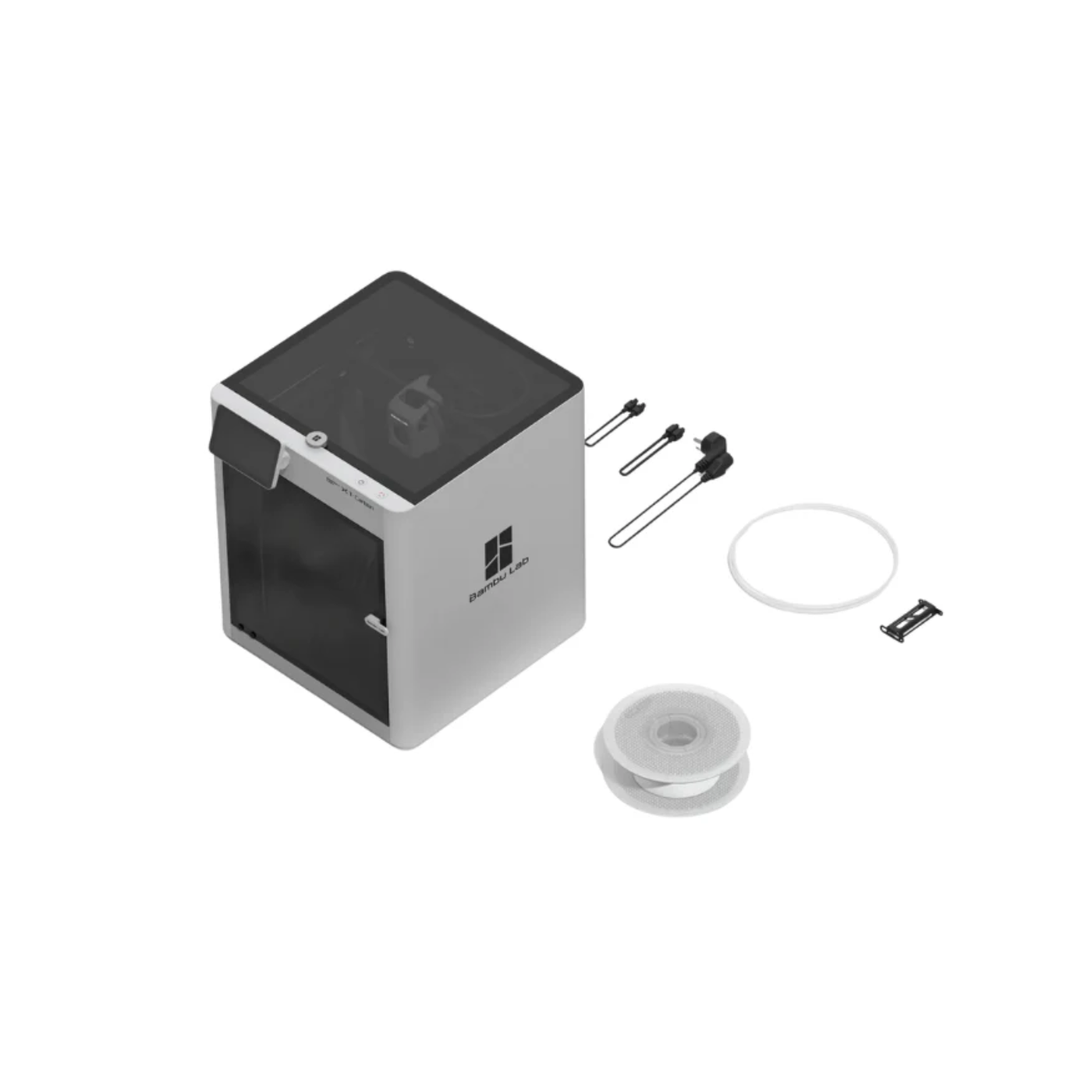
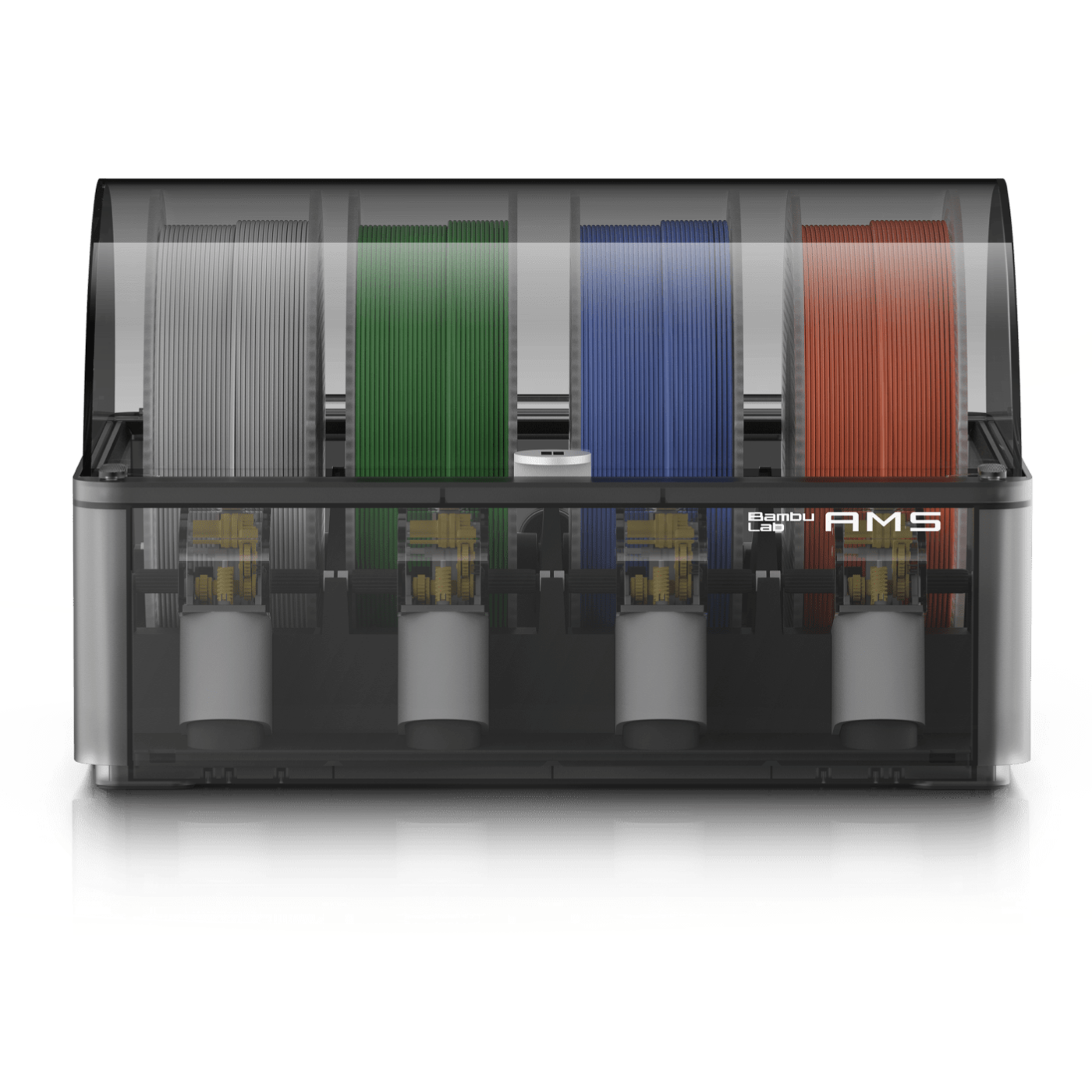
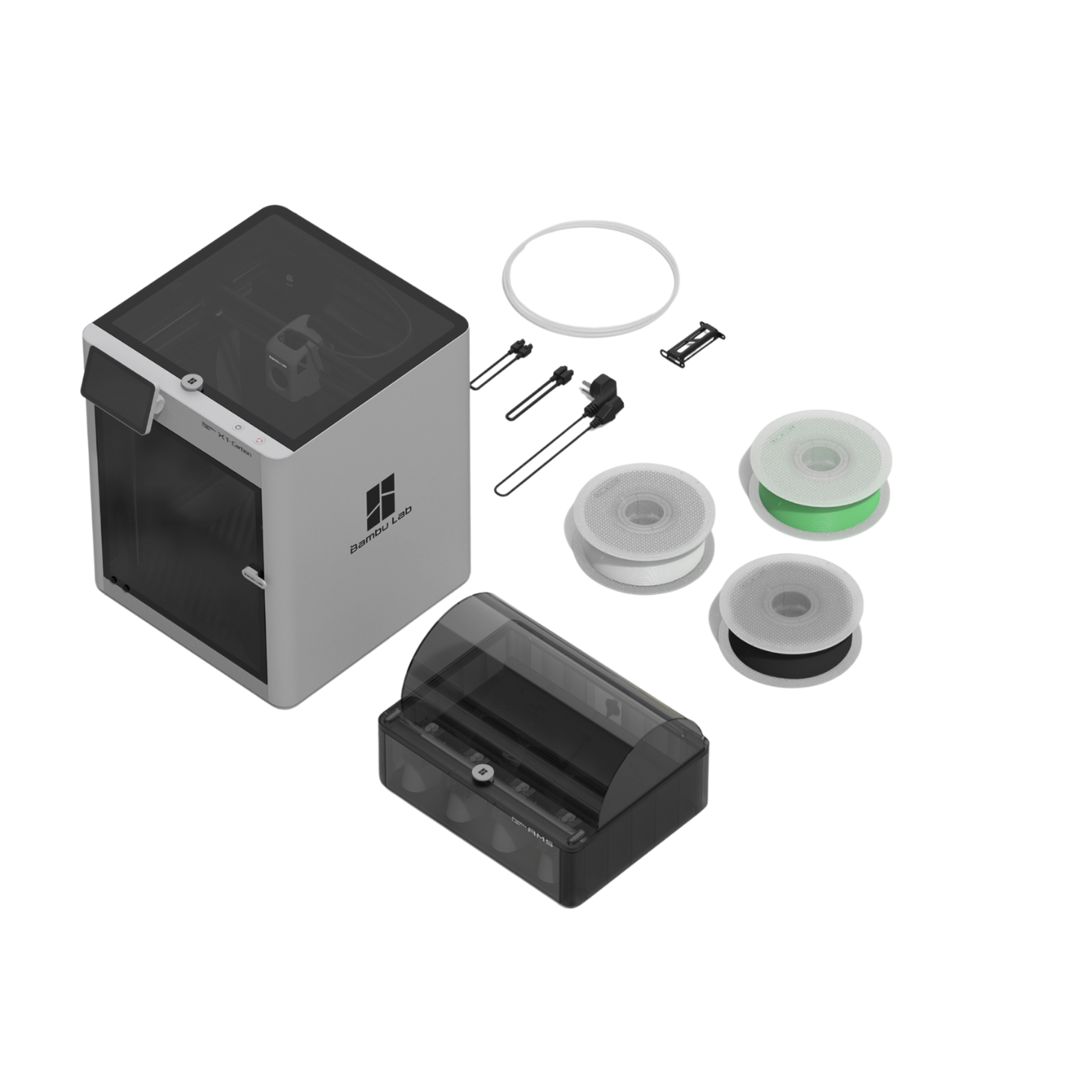
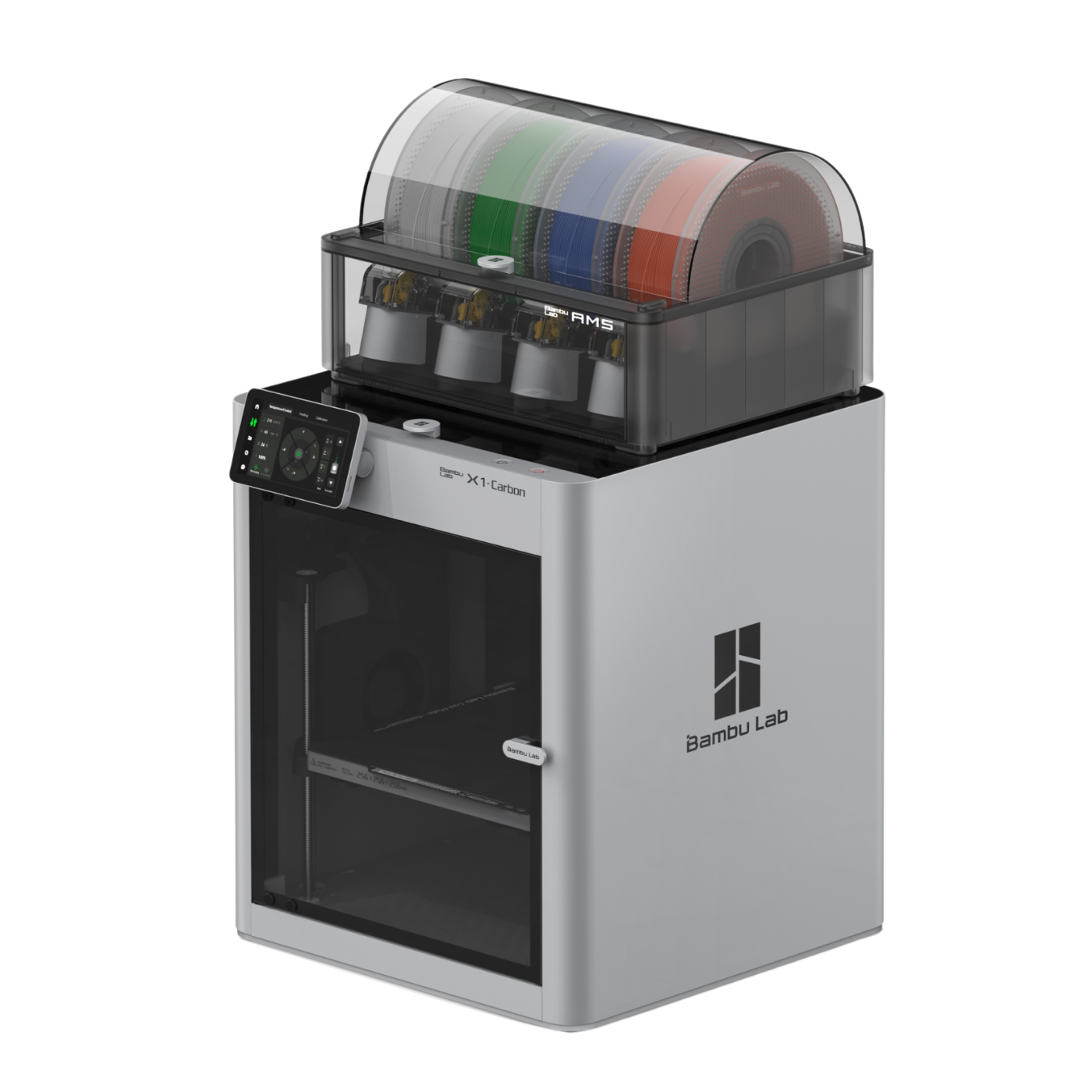
Bambu Lab X1 – Carbon Combo 3D Printer
The Bambu Lab X1 – Carbon Combo 3D Printer is designed to push the boundaries of creativity, precision, and efficiency. Equipped with multi-color and multi-material capabilities, this advanced printer enables you to bring complex and vibrant designs to life with ease.
It features high-resolution printing with 7 ?m Lidar precision and rapid CoreXY acceleration for fast, accurate prints. The dual auto bed leveling system and spaghetti failure detection ensure flawless performance and reduced print failures.
With support for advanced materials and an AI-inspected first layer, the X1-Carbon Combo offers a seamless and intelligent 3D printing experience that boosts both productivity and innovation.
What You Can Expect from the X1C Combo 3D Printer
Core XY features 20000 mm/s² acceleration.
Up to 16 multicolor printing
Dual automatic bed leveling.
7 ?m lidar resolution
Detecting spaghetti failures by AI inspection at the first layer.
Designed for Speed
Colors and Beyond
Bambu Lab's Automatic Material System (AMS) allows for printing in different colors and materials.
Sync with Bambu Studio and Bambu Handy
Bambu Studio and Bambu Handy allow you to remotely operate and monitor your printer. You may also use the built-in camera to record timelapse films.
Features:
Multi-color and multi-material capability.
High-quality printing with a 7 μm Lidar resolution.
CoreXY accelerates up to 20000 mm/s².
Dual Automatic Bed Leveling.
Maximum build plate temperature: 110? at 220V and 120? at 110V.
Maximum speed of tool head: 500 mm/s.
Maximum tool head acceleration: 20 m/s².
Physical dimensions: 389 × 389 × 457 mm³; package size: 480 × 480 × 590 mm³.
Net weight: 14.13 kg. Gross weight (AMS included) 22.3 kg
Electrical Requirements: 100-240 VAC, 50/60 H, 1000W at 220V, 350W at 110V
₹166909.89
Incl. GST (No Hidden Charges)
Backorder Available
MRP. ₹349298.60
Incl. GST (No Hidden Charges)
Bambu Lab X1 – Carbon Combo 3D Printer
Bambu Lab X1 – Carbon Combo 3D Printer The Bambu Lab X1 – Carbon Combo 3D Printer is designed to push the boundaries of creativity, precision, and efficiency. Equipped with …
As low as
₹166909.89
₹166909.89
MRP. ₹349298.60
Incl. GST (No Hidden Charges)
Backorder Available
