(0)
7Semi BME688 Environmental Sensor Breakout with Gas, Temperature, Humidity & Pressure Monitoring
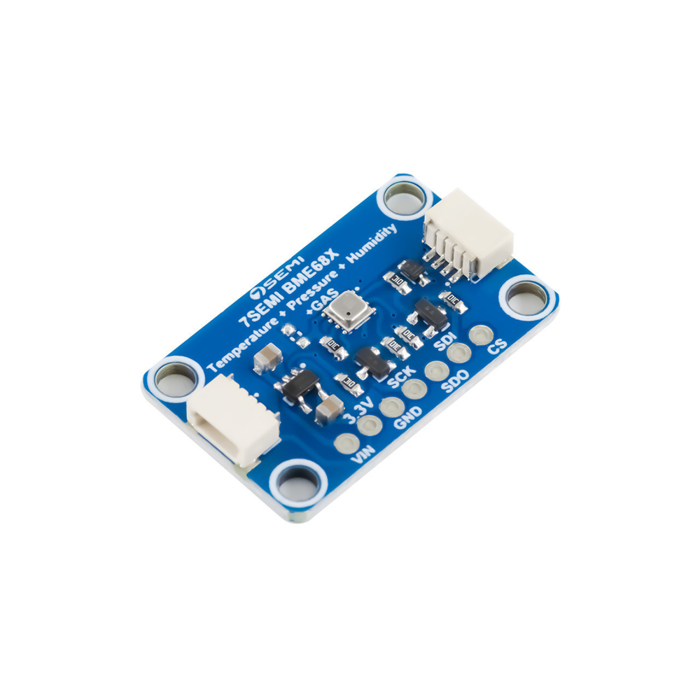
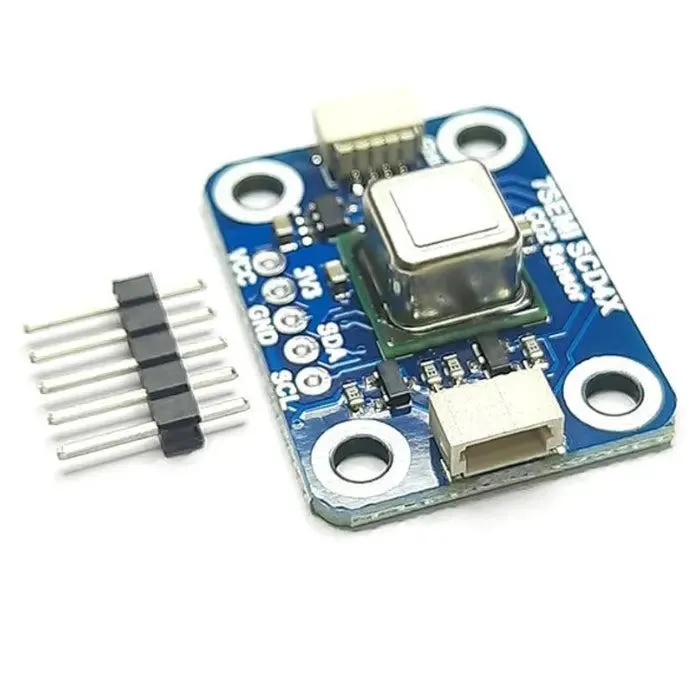
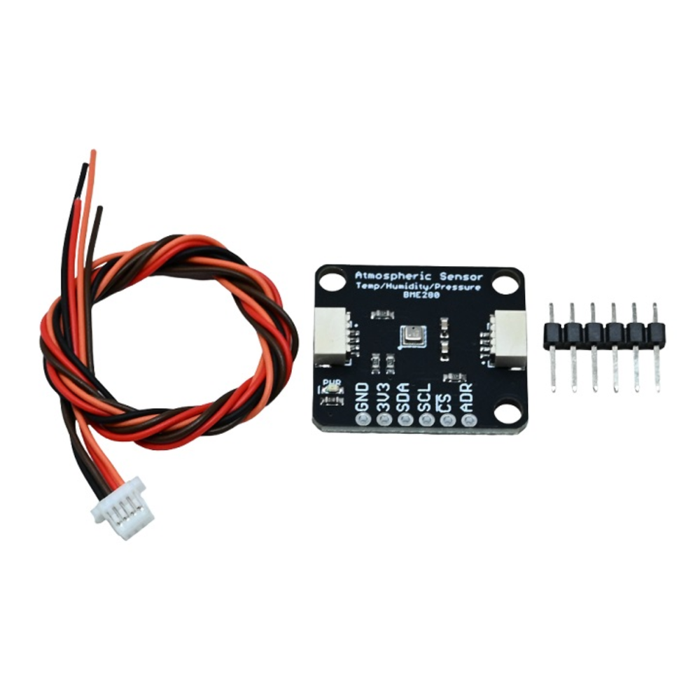
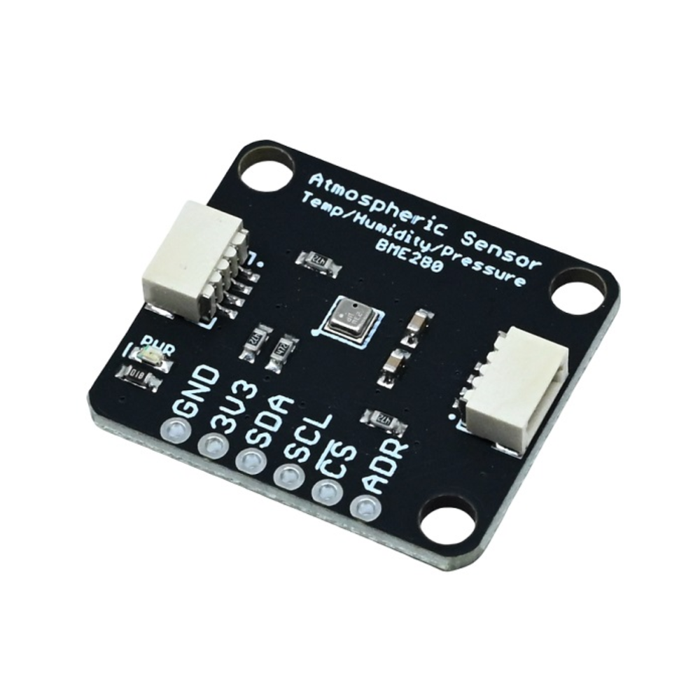
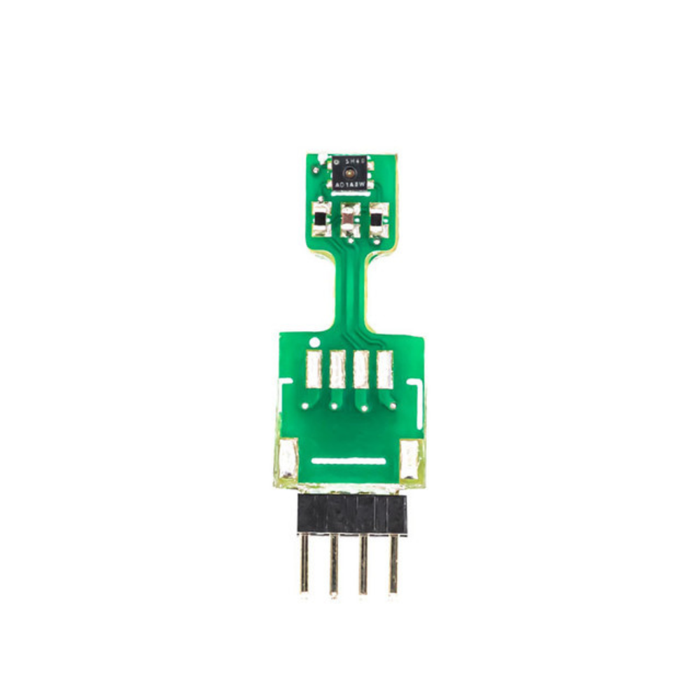
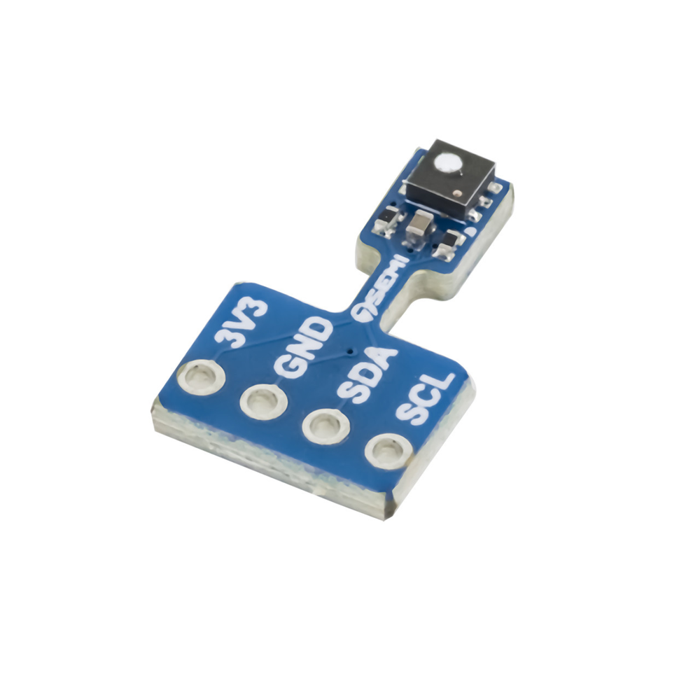
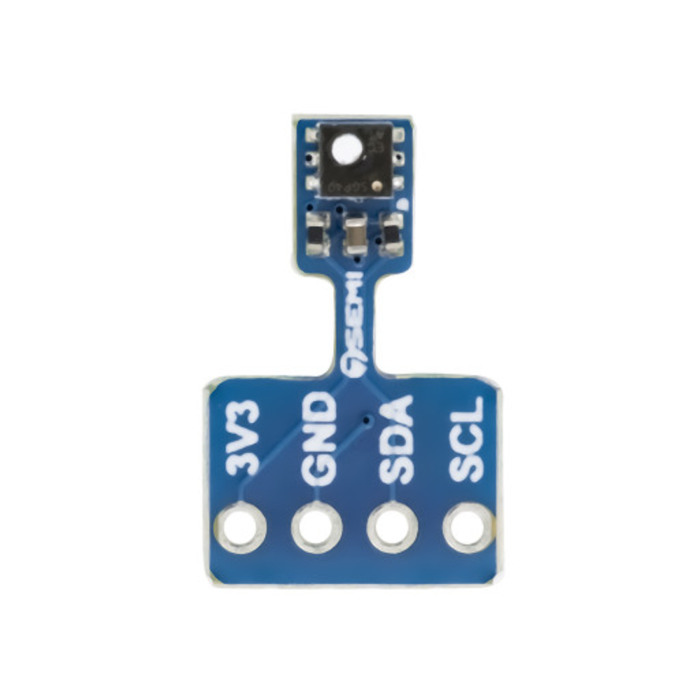
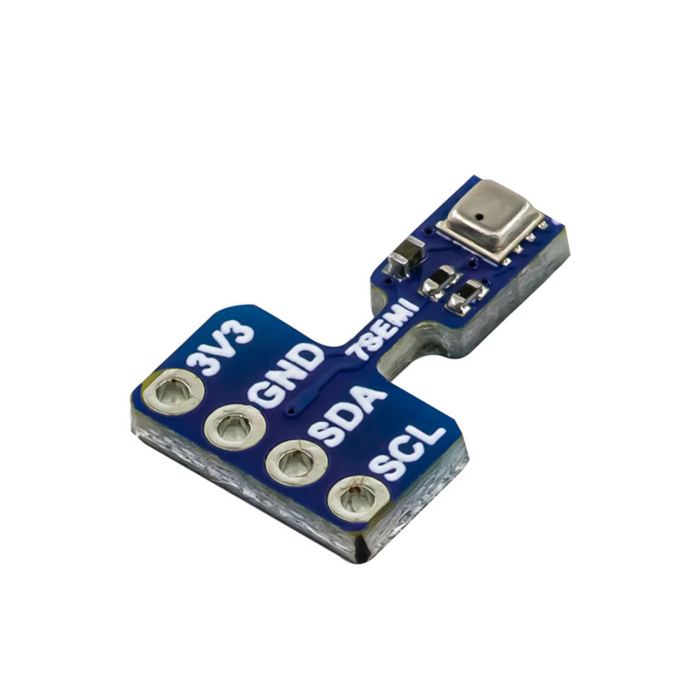
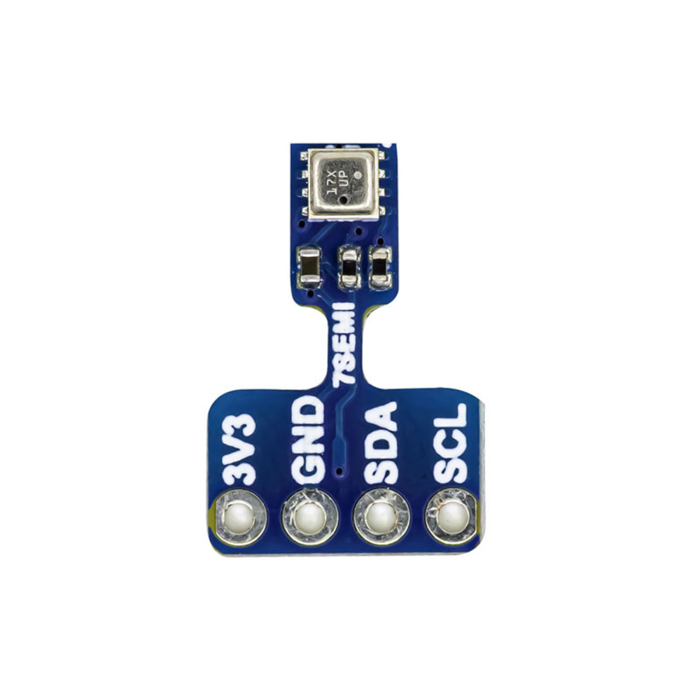
The 7Semi BME688 Environmental Sensor Breakout is a next-generation module designed for creators, engineers, and researchers looking to capture highly accurate environmental data in one compact board.
Built using Bosch Sensortec’s advanced technology, it measures temperature, humidity, barometric pressure, and a wide range of gases - including VOCs, VSCs, CO, and hydrogen. With AI-enabled gas scanning, this sensor offers unmatched flexibility and precision, making it ideal for air quality monitoring, IoT devices, and smart home automation.
This tiny board brings premium reliability, fast response times, and long-term stability to any embedded setup. Thanks to support for both I2C and SPI interfaces, the BME688 integrates easily with platforms like Arduino, ESP32, and Raspberry Pi.
Whether you’re building an indoor air quality tracker, creating a wearable environmental sensor, or developing research-grade monitoring equipment, this module delivers the depth of data you need.
With intelligent gas detection powered by machine learning and a wide operating range, the BME688 excels in environmental sensing, embedded electronics, and modern IoT applications without adding bulk or complexity.
Features:
Delivers 4-in-1 sensing capabilities with precise measurement of temperature, humidity, atmospheric pressure, and multiple gases in a single compact module.
Features AI-enabled gas scanning that detects VOCs, VSCs, carbon monoxide, hydrogen, and other gases using machine-learning-based profiling.
Provides high accuracy, low drift, and rapid response speeds for dependable long-term environmental monitoring.
Offers flexible integration with both I2C and SPI interfaces for seamless compatibility across microcontrollers and embedded systems.
Compact, lightweight design makes it suitable for portable devices, IoT deployments, smart home systems, and environmental research setups.
Allows custom tuning of sampling rates, power consumption, and gas sensitivity for specialised applications.
Backed by Bosch Sensortec’s reputation for durability, ensuring stability and reliable performance in continuous operation.
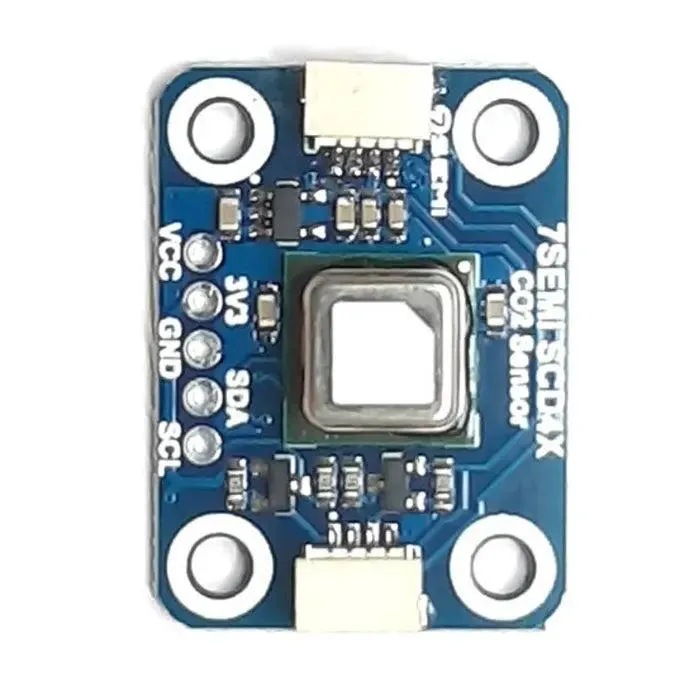
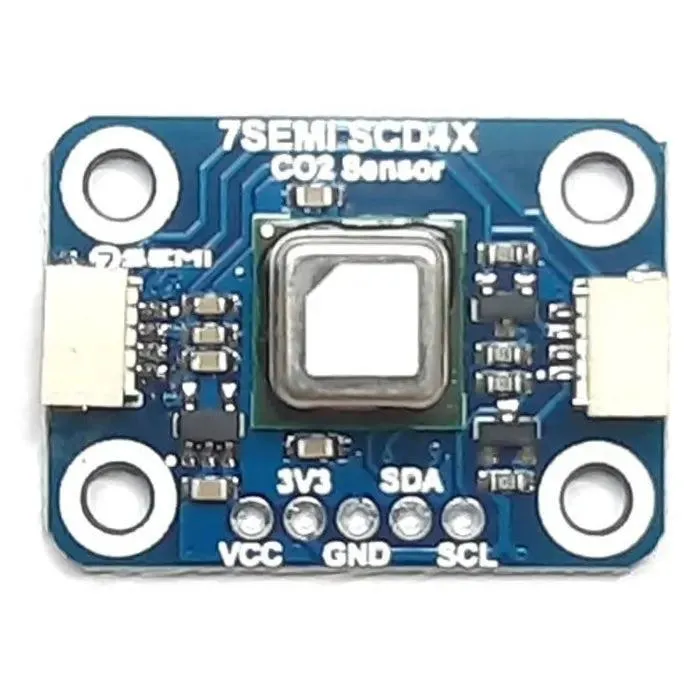
BME688 4-in-1 Air Quality Sensor Breakout Dimensions:
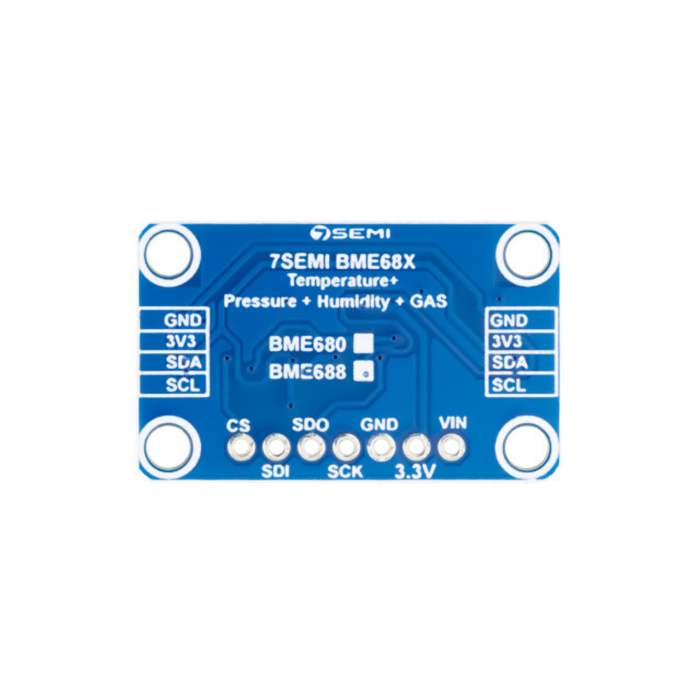
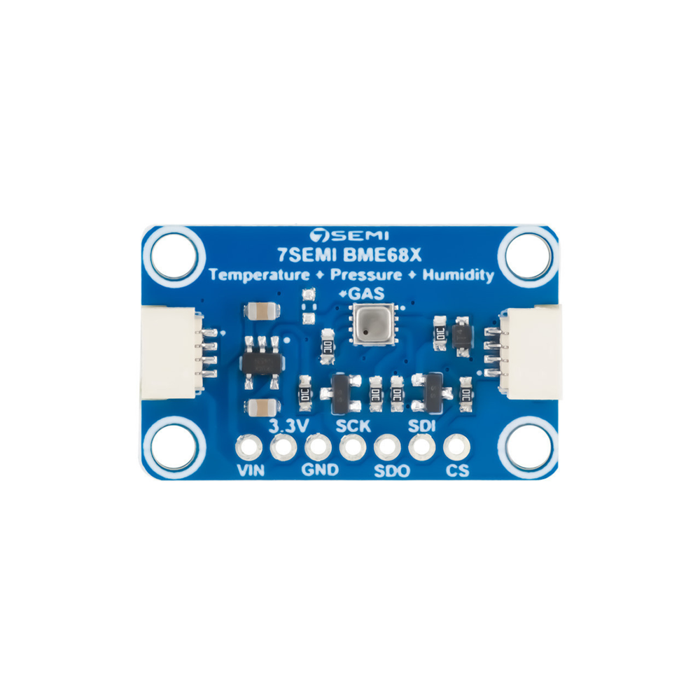
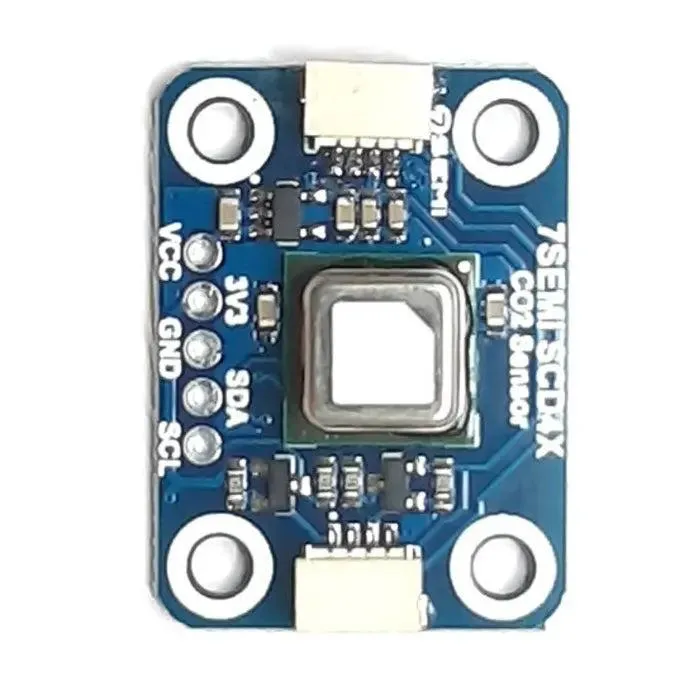
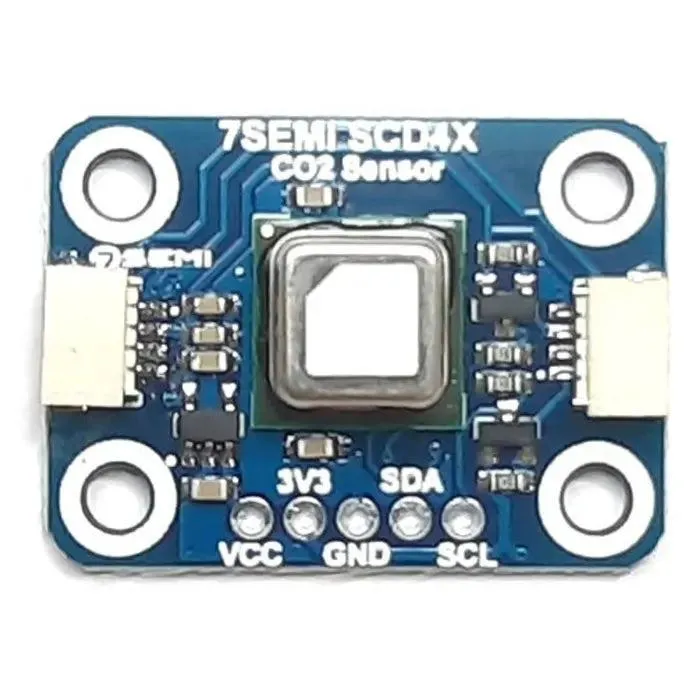
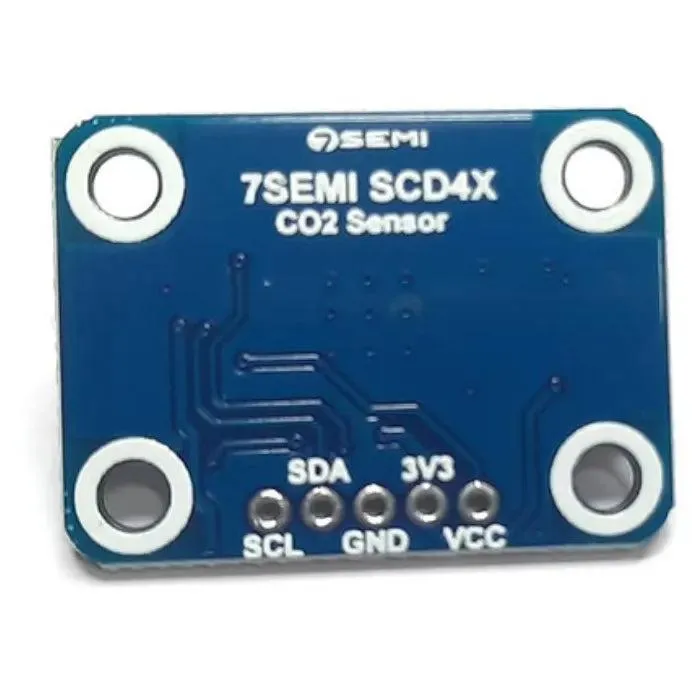
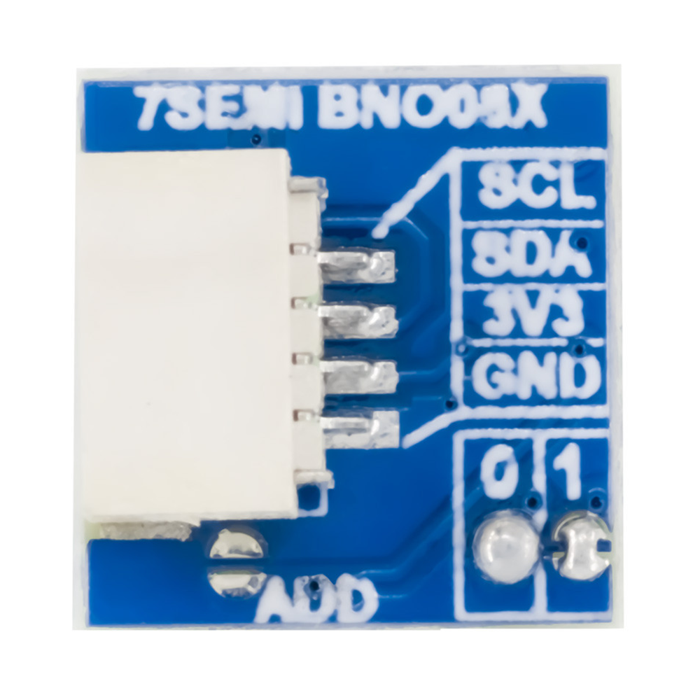
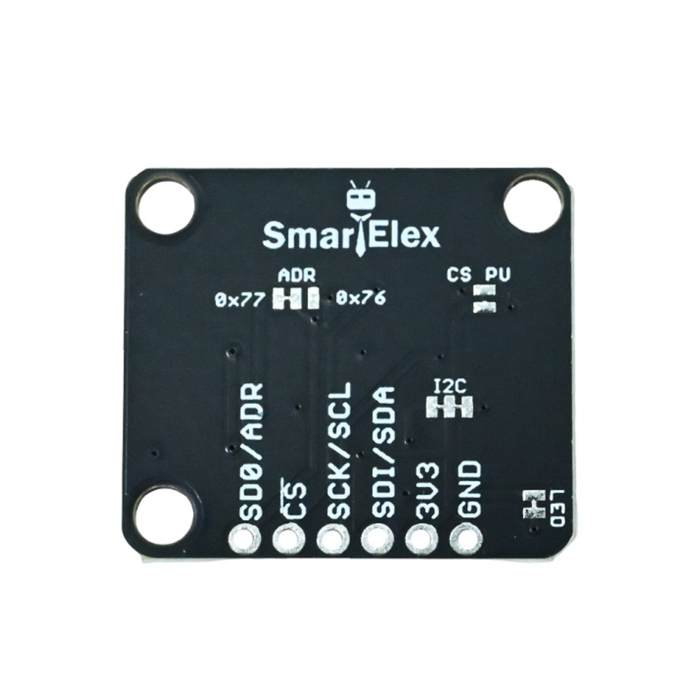
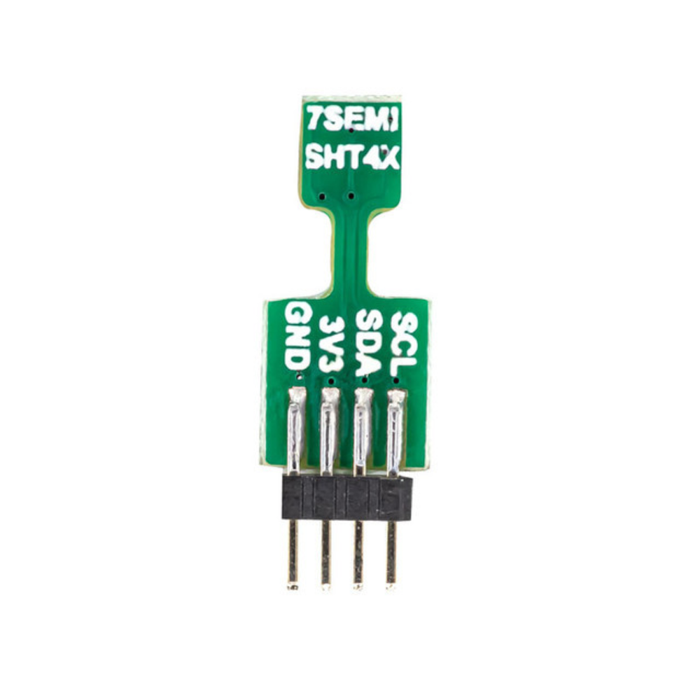
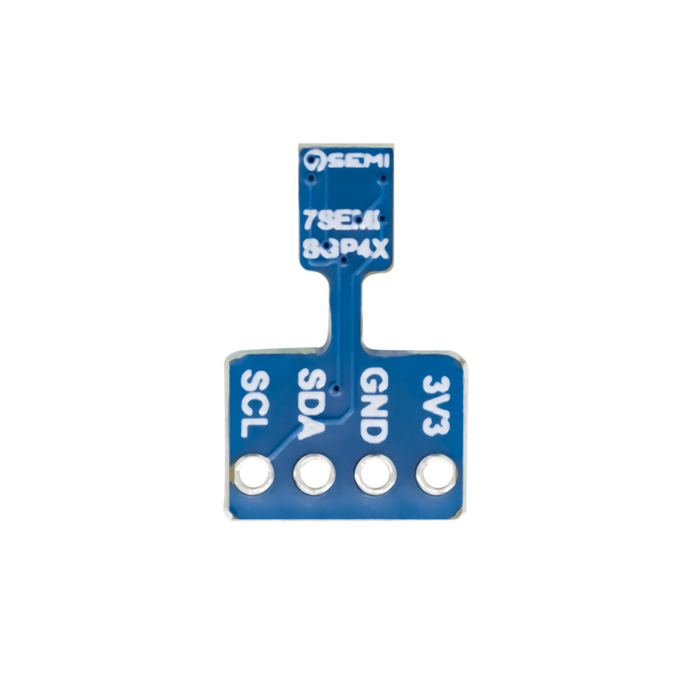
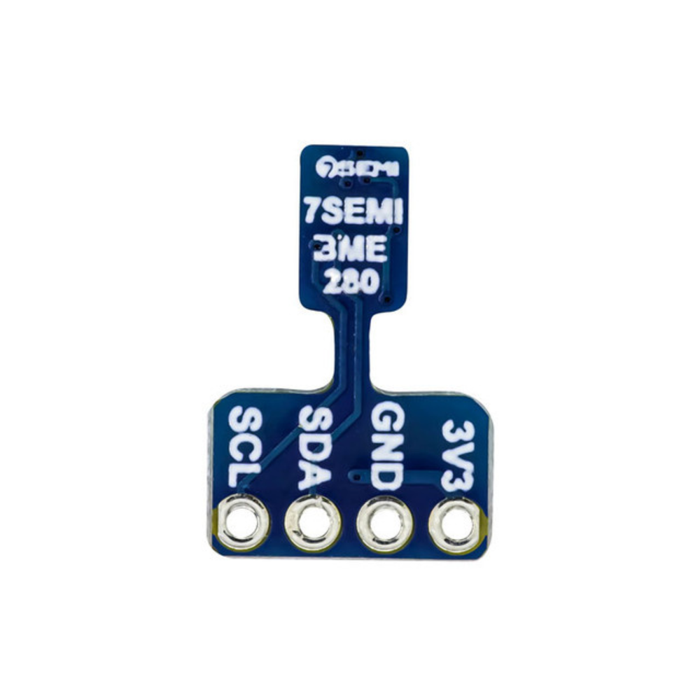
BME688 4-in-1 Air Quality Sensor Breakout Pinouts:
₹1453.72
Backorder Available
In Store Pickup
Same Day Shipping
₹2259.60
Incl. GST (No Hidden Charges)