

Sort by
1-Inch LED Digital Display DI…
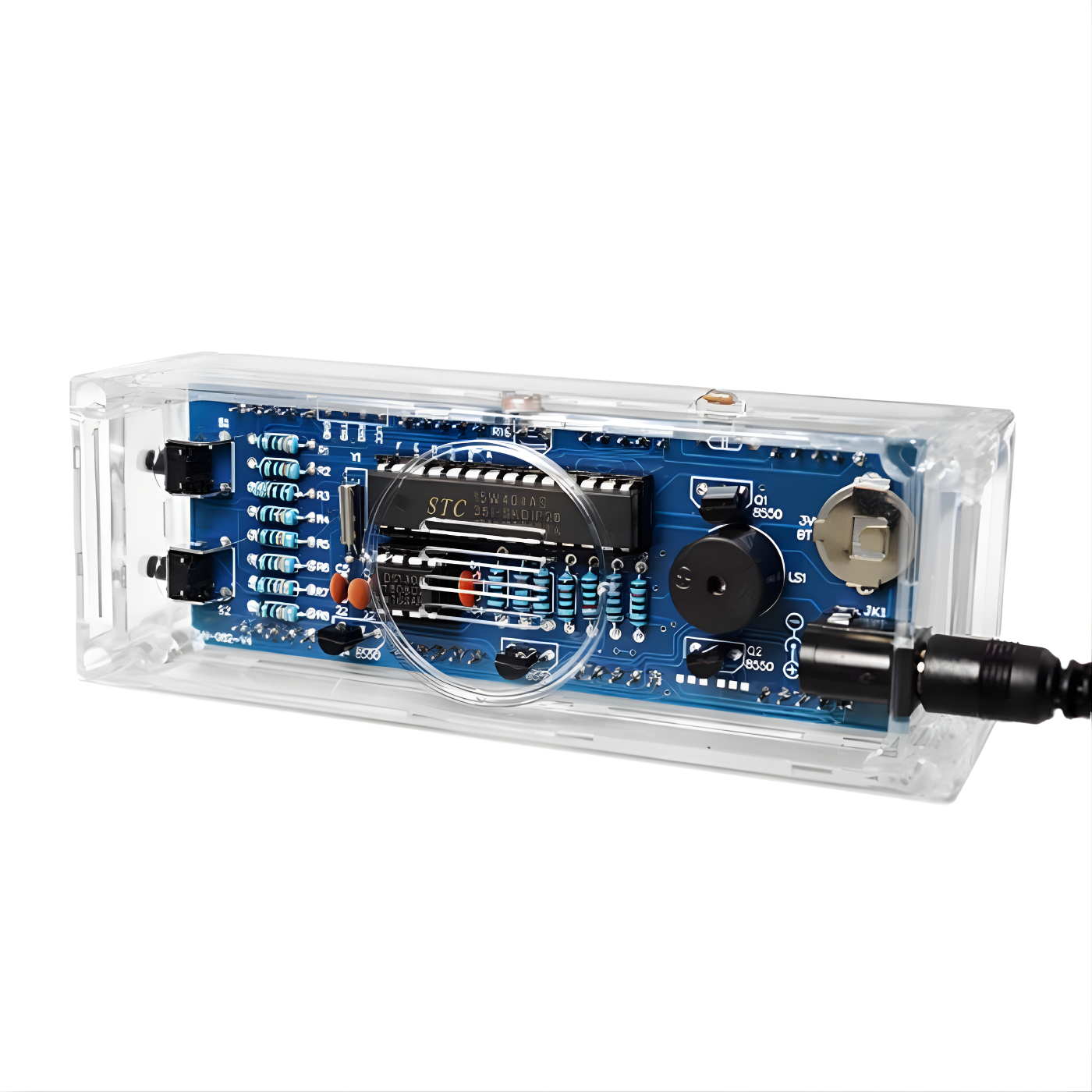
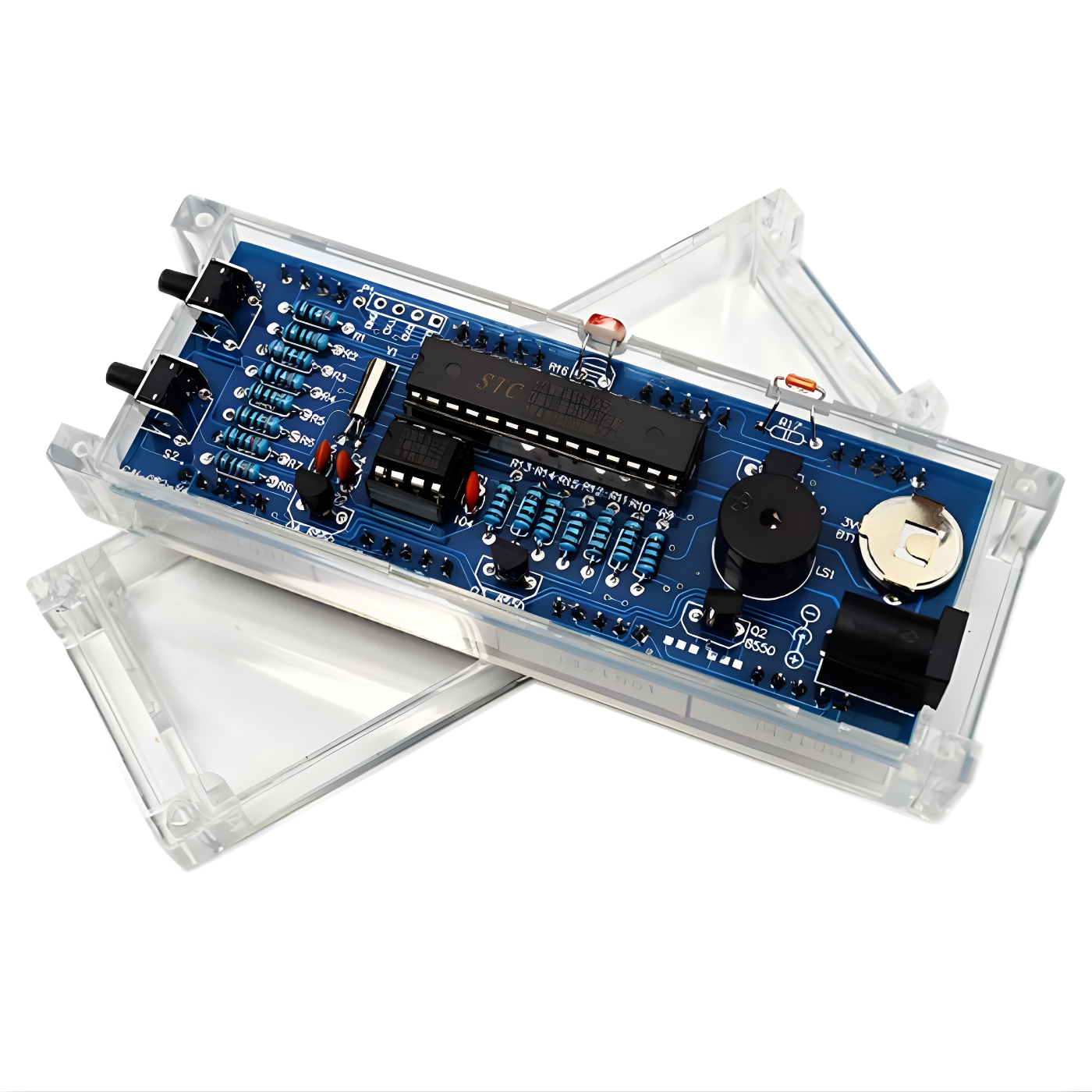
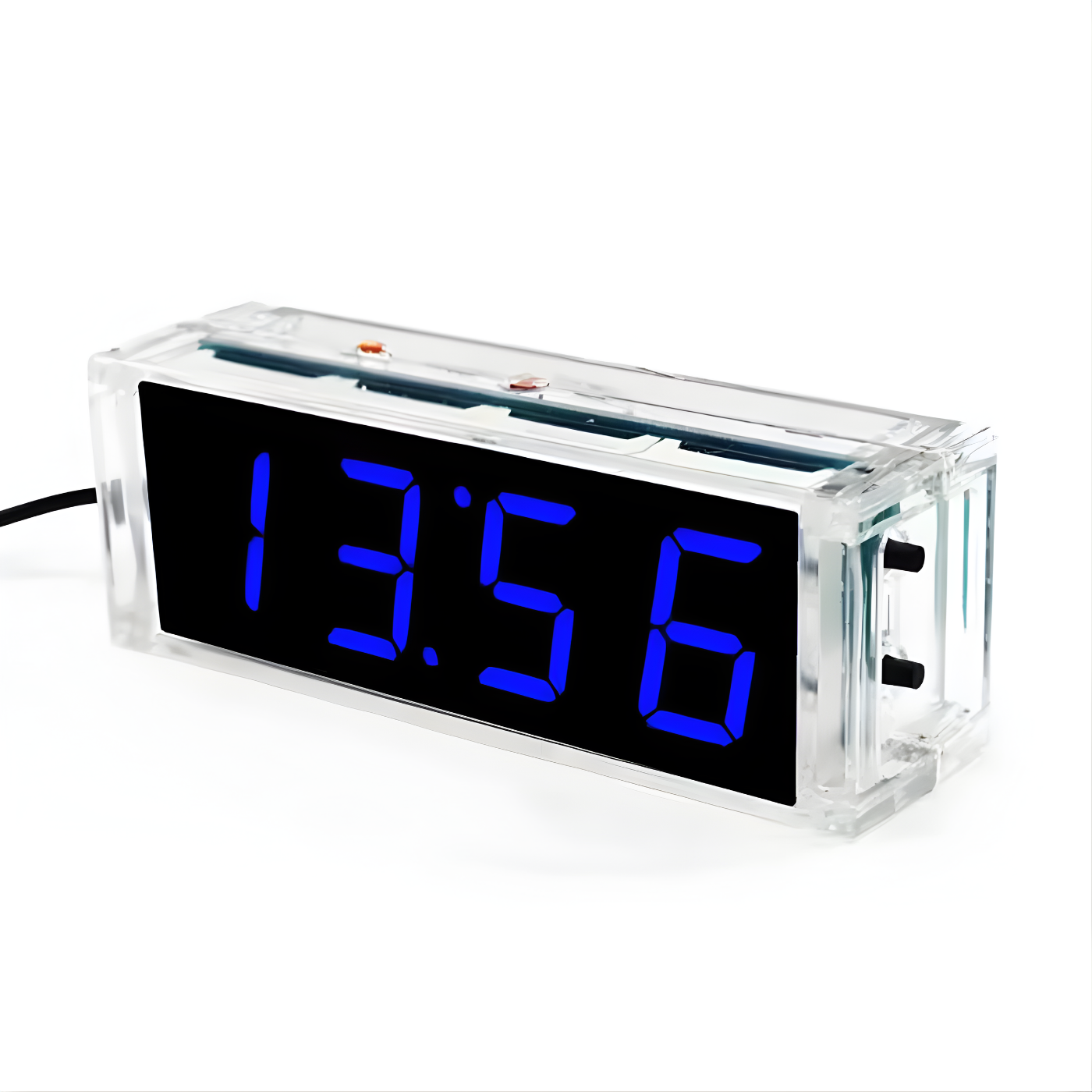
1-Inch LED Digital Display DIY Clock Kit (Blue) – Light-Control MCU Project Set with Casing
This DIY LED Digital Clock Kit is an excellent hands-on project for anyone interested in learning how microcontroller-based circuits work. Built around a 51-series MCU, it features a bright 1-inch LED tube display and an automatic light-sensing function that adjusts brightness according to the environment.
The kit arrives as individual components, giving learners the opportunity to assemble, solder, and understand every part of the circuit. Created with STEM and STEAM education in mind, this kit helps improve logical thinking, practical assembly skills, and fundamental electronics knowledge.
Whether used in a school lab, a maker space, or a home learning setup, it offers a fun and meaningful way to encourage creativity, experimentation, and scientific curiosity. The included housing completes the project with a clean, finished look once assembled.
Features:
DIY digital clock project featuring a 1-inch LED display for clear time reading.
Light-sensing feature ensures suitable brightness in different lighting conditions.
Comes as a complete unassembled kit to promote hands-on learning.
Strengthens STEM/STEAM concepts such as circuitry, design, and problem-solving.
User-friendly build suitable for classrooms, hobbyists, and beginners.
Includes a protective enclosure for a neat and durable finish.
Includes study instructions to guide the assembly process.
₹7709.84
Incl. GST (No Hidden Charges)
In Store
Same Day Shipping
MRP. ₹8490.00
Incl. GST (No Hidden Charges)
1-Inch LED Digital Display DIY Clock Kit (Blue) – Light-Control MCU Project Set with Casing
1-Inch LED Digital Display DIY Clock Kit (Blue) – Light-Control MCU Project Set with Casing This DIY LED Digital Clock Kit is an excellent hands-on project for anyone interested in …
As low as
₹7709.84
₹7709.84
MRP. ₹8490.00
Incl. GST (No Hidden Charges)
In Store
Same Day Shipping
1.3 inch I2C OLED Display Mod…
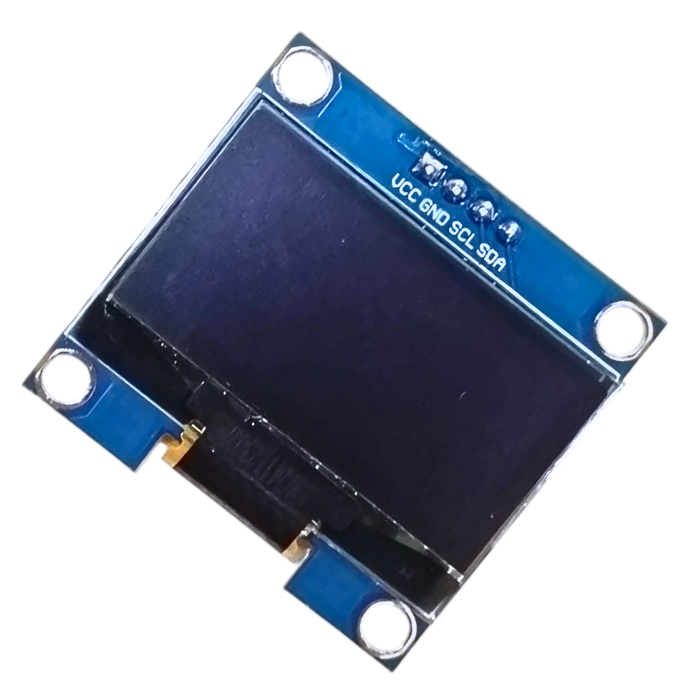
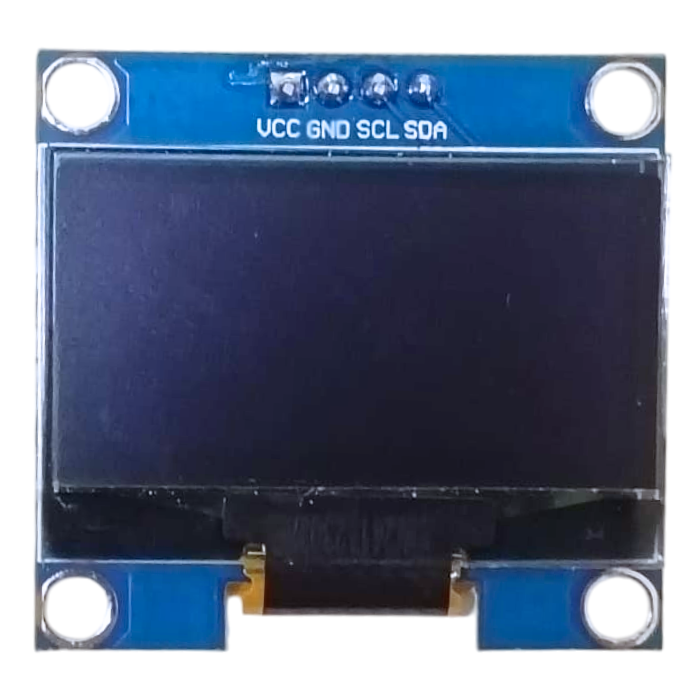
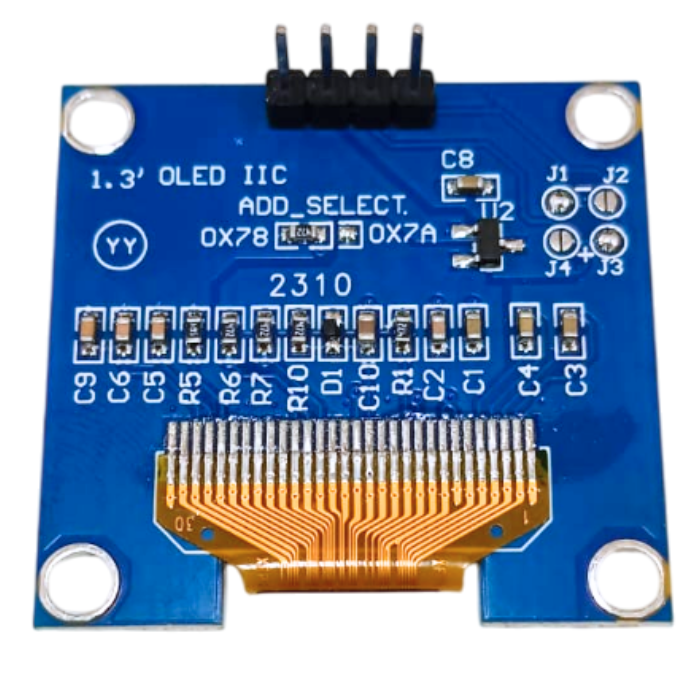
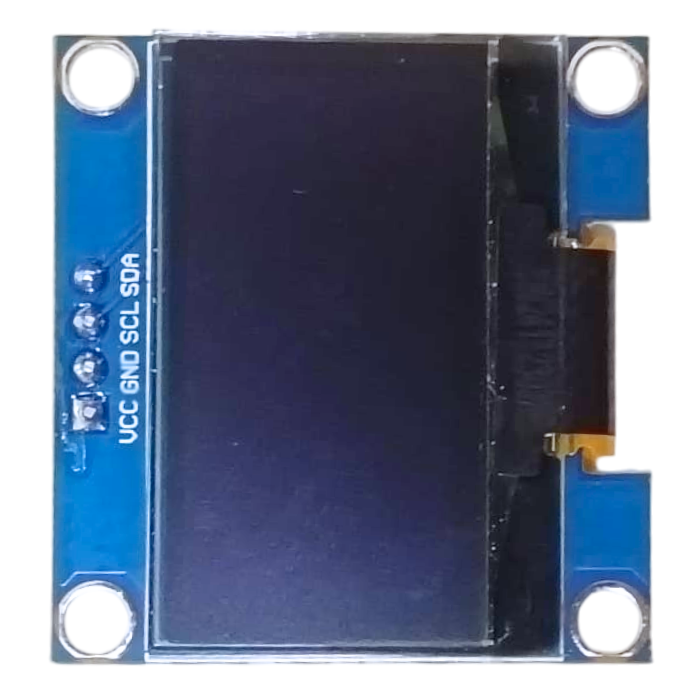
1.3 inch I2C OLED Display Module 4pin Blue Color
This is the 1.3-inch blue OLED display module. Using I2C protocols, the display module can communicate with any microcontroller. It has a resolution of 128x64. OLED (Organic Light-Emitting Diode) is a self-lighting technology that consists of a thin, multi-layered organic film sandwiched between an anode and a cathode.
OLED, unlike LCD technology, does not require a backlight. This has a wide range of applications and is widely regarded as the ultimate technology for the next generation of flat-panel displays.
The basic structure of an
display module
is made up of organic materials sandwiched between the cathode and the anode, which is made of electric conductive transparent Indium Tin Oxide (ITO).
The organic materials combine to form a multi-layered thin film that includes the Hole Transporting Layer (HTL), Emission Layer (EML), and Electron Transporting Layer (ETL) (ETL). By applying the appropriate electric voltage, holes and electrons from the anode and cathode are injected into the EML.
Inside the EML, holes, and electrons combine to form excitons, which cause electroluminescence. The key factors that determine the quality of OLED components are the transfer material, emission layer material, and electrode selection.
If you want to use this 1.3 inch OLED display module in your
Arduino
project, that you will need a few essential components like
Jumper wires
Breadboard
Batteries or power supply
Also check: Best
0.96” OLED Display Module
– 4-Pin, I2C/SPI Compatible
Pin Description:
GND: Power ground
VCC: Power positive
SCL: Clock wire
SDA: Data wire.
Features:
Offers a compact yet clear display.
Requires only 2 I/O ports for control.
Comes pre-configured for SPI protocol
Provides detailed and sharp images and text with 128x64 pixels.
Uses the I2C protocol for easy and efficient communication with microcontrollers.
Compatible with a voltage range of 3.3V to 5V.
Uses Organic Light-Emitting Diode technology.
Can be easily integrated into Arduino and other microcontroller projects.
Check out our wide range of collection of
OLED display modules
which are reliable, durable, and top-performing displays every time.
Applications:
Fitness trackers, smartwatches, and other wearable technology.
IoT initiatives to show status updates and visualize sensor data.
Tools for diagnosis, testers, and portable meters.
DIY electronics projects and prototypes for designing unique user interfaces.
Medical equipment such blood glucose meters, patient monitoring systems, and pulse oximeters.
Other electrical devices.
How to Interface with Raspberry Pi:
How to Interface with Arduino:
₹354.97
MRP. ₹558.60
Incl. GST (No Hidden Charges)
Incl. GST (No Hidden Charges)
1.3 inch I2C OLED Display Module 4pin Blue Color
1.3 inch I2C OLED Display Module 4pin Blue Color This is the 1.3-inch blue OLED display module. Using I2C protocols, the display module can communicate with any microcontroller. It has …
As low as
₹354.97
₹354.97
MRP. ₹558.60
Incl. GST (No Hidden Charges)
1.5 Inch Water Flow Sensor YF…
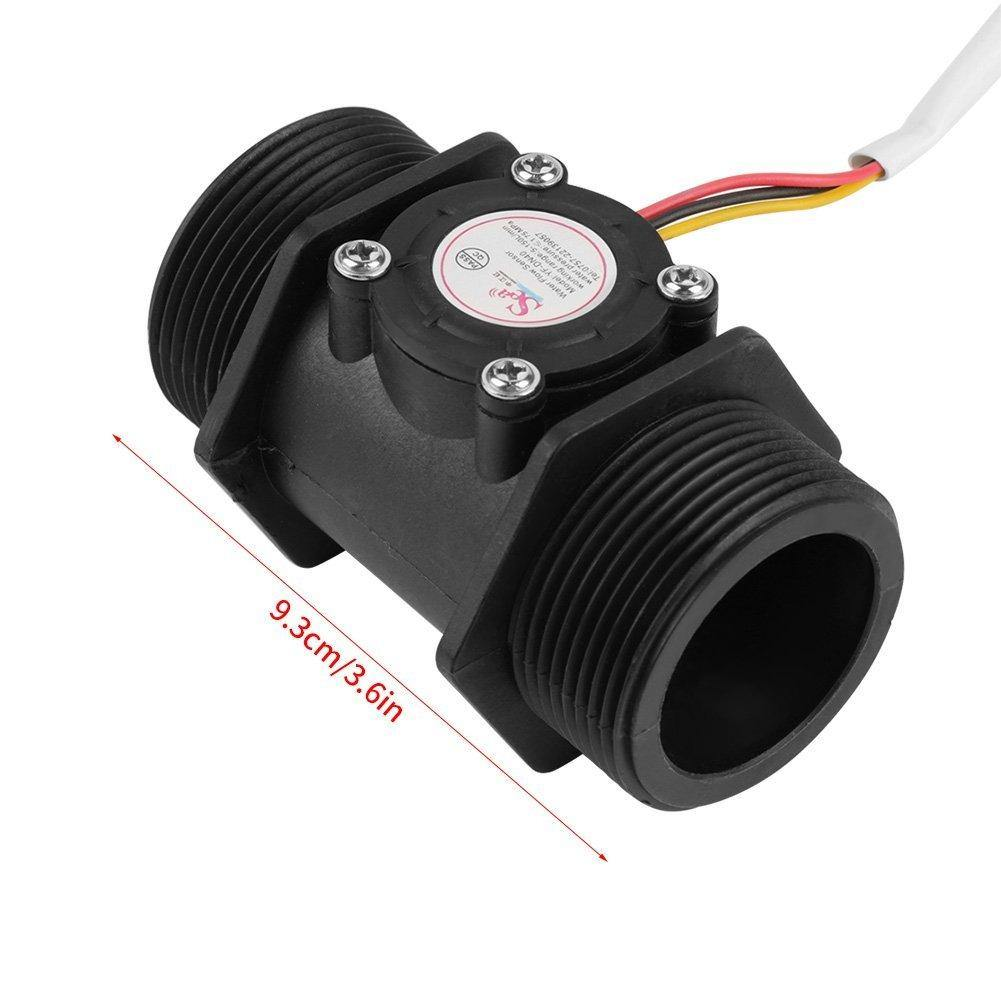
1.5 Inch Water Flow Sensor YF - DN40
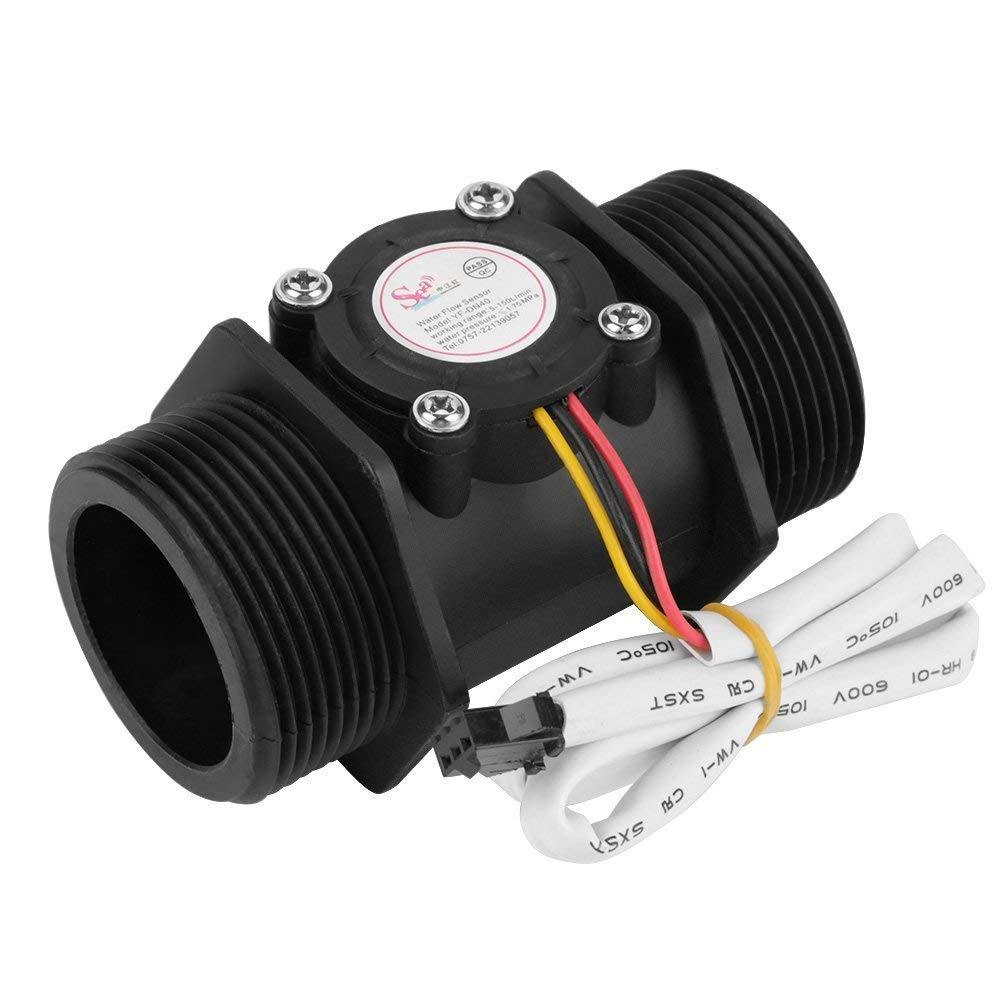
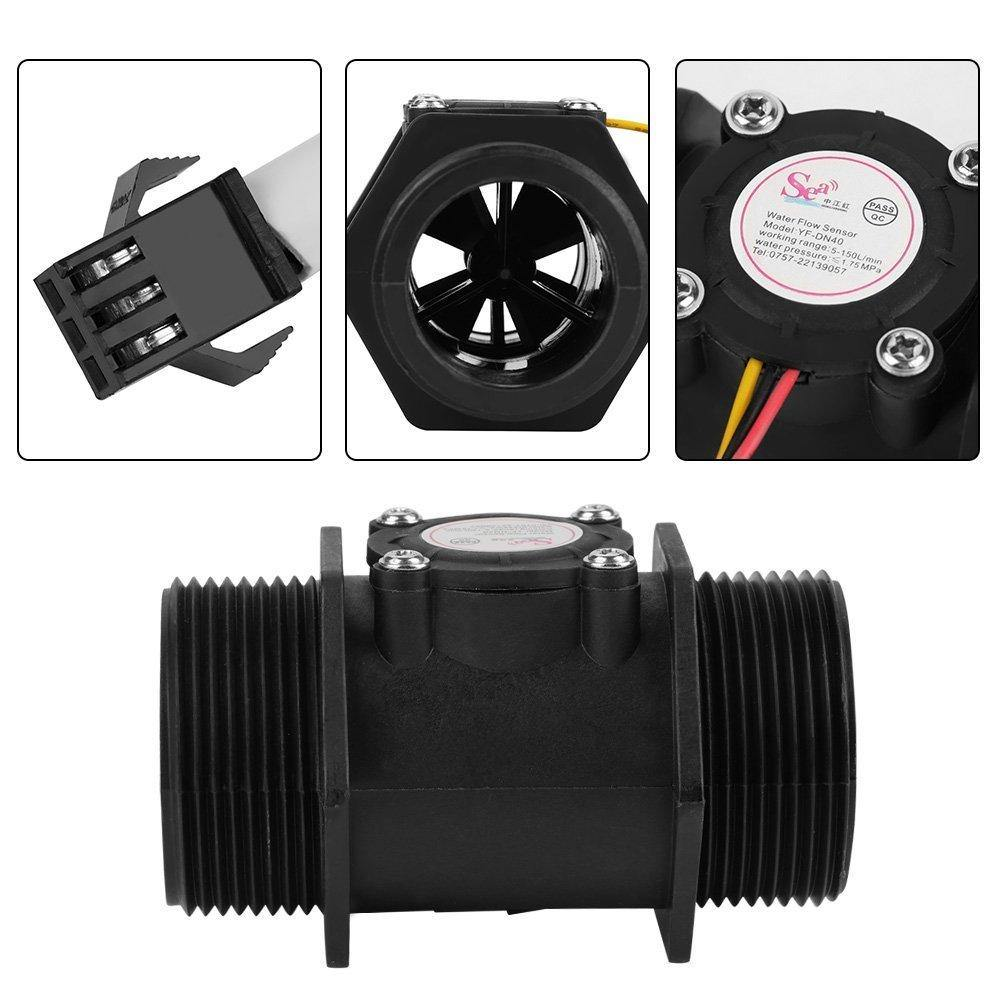
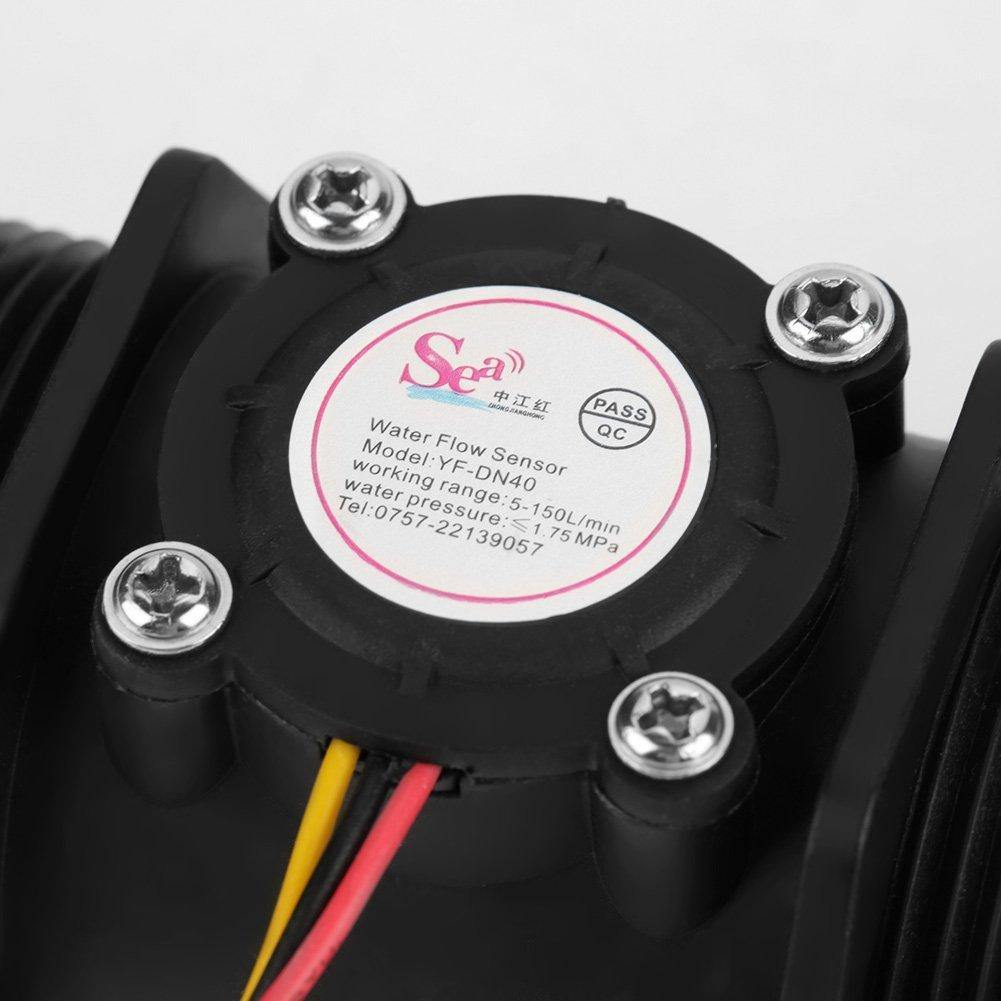
The YF-DN40 water flow sensor is a device that is used to measure the flow rate of water. It consists of a turbine-type rotor that is placed in the water stream, and as the water flows past the rotor, it causes the rotor to spin. The
flow sensor
measures the speed of the rotor and converts it to a flow rate. The sensor has a digital output, which means that it provides a digital signal that can be read by a microcontroller or other host device.
The
sensor
is commonly used in applications such as irrigation systems, water treatment plants, and industrial process control. It is often preferred over other types of flow sensors because it is easy to install and has a low cost. The YF-DN40 sensor is designed to be installed in a pipe with a diameter of 40mm or 1.57 inches.
₹1968.44
MRP. ₹3498.60
Incl. GST (No Hidden Charges)
Incl. GST (No Hidden Charges)
1.5 Inch Water Flow Sensor YF - DN40
1.5 Inch Water Flow Sensor YF - DN40 The YF-DN40 water flow sensor is a device that is used to measure the flow rate of water. It consists of a …
As low as
₹1968.44
₹1968.44
MRP. ₹3498.60
Incl. GST (No Hidden Charges)
1.54 inch E-ink Display Modul…
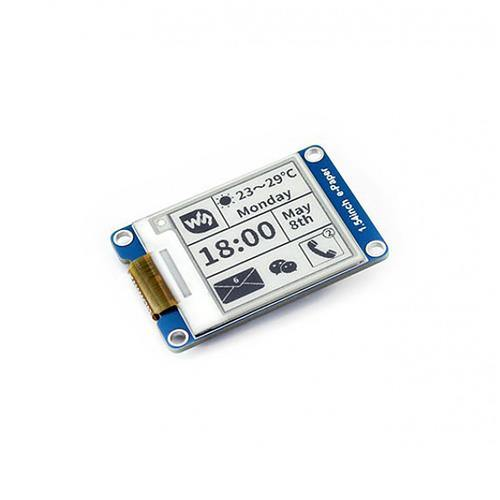
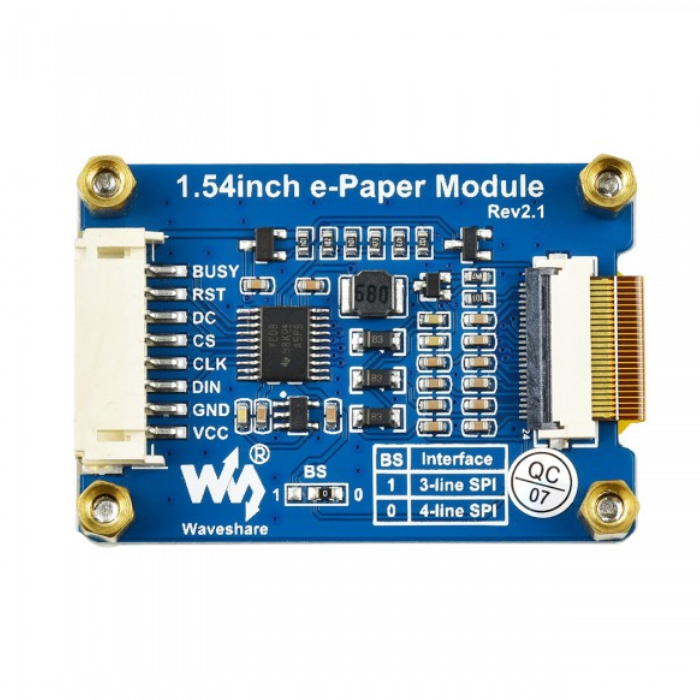
1.54 inch E-ink Display Module
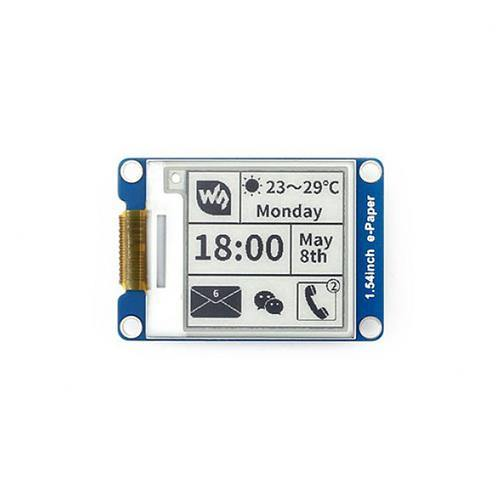
This is an E-Ink display or
electronic ink display
module, 1.54inch, 200x200 resolution, with an embedded controller, communicating via SPI interface, supports partial refresh.
E-Ink display
is communicating via SPI interface and it supports partial refresh. As these
electronic ink displays
have no backlight panels and it doesn’t need a continuous power supply to display the (static data with periodic intervals) data on the screen, The
E-Ink display
has a great advantage of ultra-low power consumption.
₹1434.33
MRP. ₹2798.60
Incl. GST (No Hidden Charges)
Incl. GST (No Hidden Charges)
1.54 inch E-ink Display Module, three colour 200X200
1.54 inch E-ink Display Module This is an E-Ink display or electronic ink display module, 1.54inch, 200x200 resolution, with an embedded controller, communicating via SPI interface, supports partial refresh. E-Ink …
As low as
₹1434.33
₹1434.33
MRP. ₹2798.60
Incl. GST (No Hidden Charges)

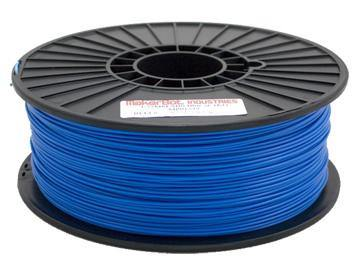
1.75mm 100g Blue ABS Filament
.
As low as
₹131.30
₹131.30
MRP. ₹200.20
Incl. GST (No Hidden Charges)
Out of Stock
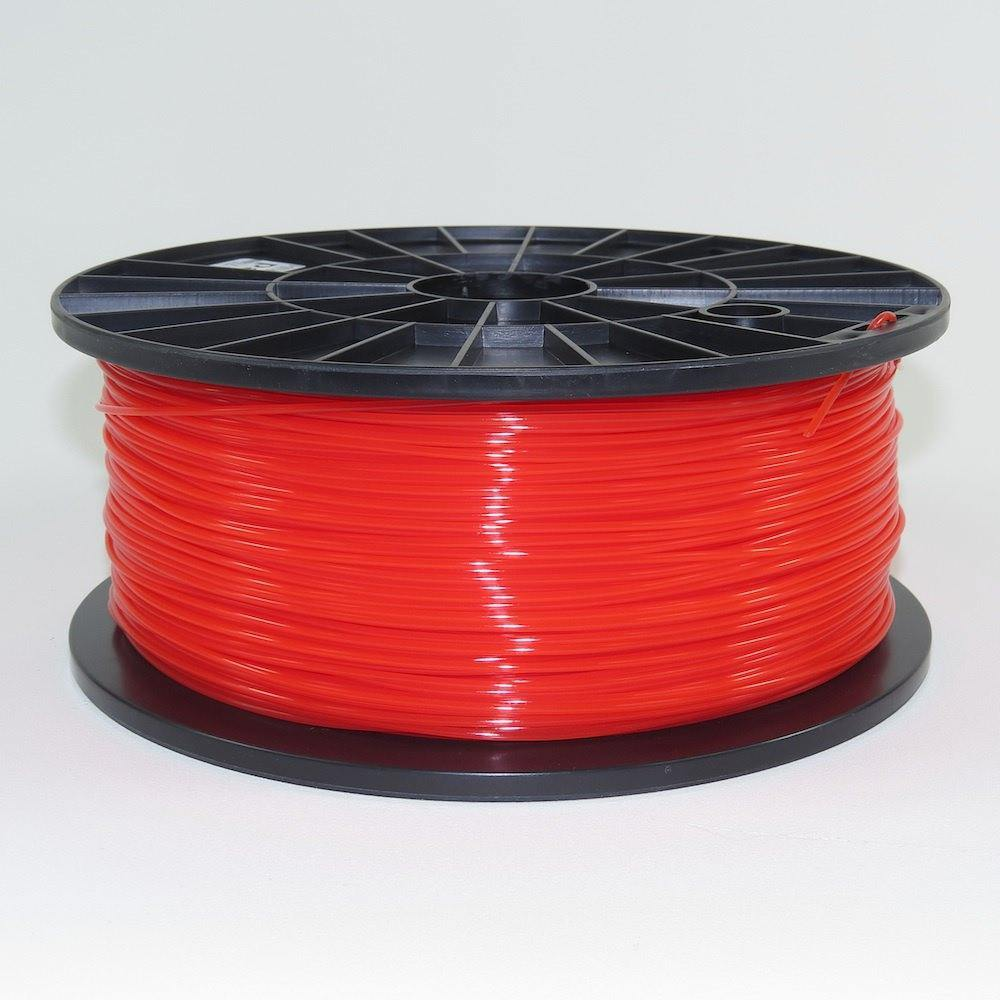
1.75mm 100g Red ABS Filament
.
As low as
₹131.30
₹131.30
MRP. ₹200.20
Incl. GST (No Hidden Charges)
Out of Stock
1.75mm 100g White ABS Filament
Description:
ABS (aka Acrylonitrile Butadiene Styrene) filament, spooled and ready-to-use for 3D Printing. ABS is the same material used in Lego bricks and is an excellent material for printing strong, temperature resistant, 3D parts.
₹200.29
Incl. GST (No Hidden Charges)
Out of Stock
MRP. ₹299.60
Incl. GST (No Hidden Charges)
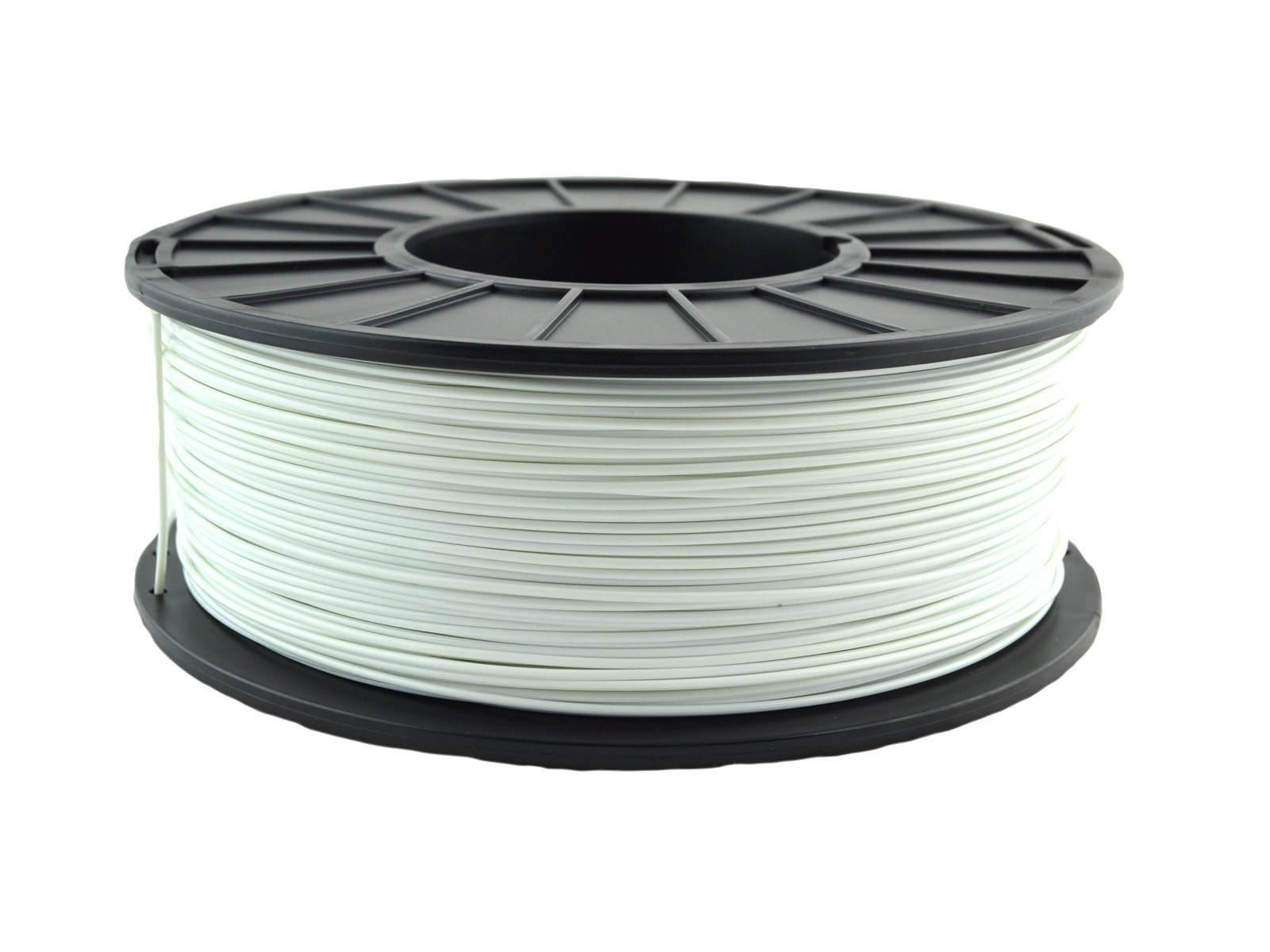
1.75mm 100g White ABS Filament
Description: ABS (aka Acrylonitrile Butadiene Styrene) filament, spooled and ready-to-use for 3D Printing. ABS is the same material used in Lego bricks and is an excellent material for printing strong, …
As low as
₹200.29
₹200.29
MRP. ₹299.60
Incl. GST (No Hidden Charges)
Out of Stock
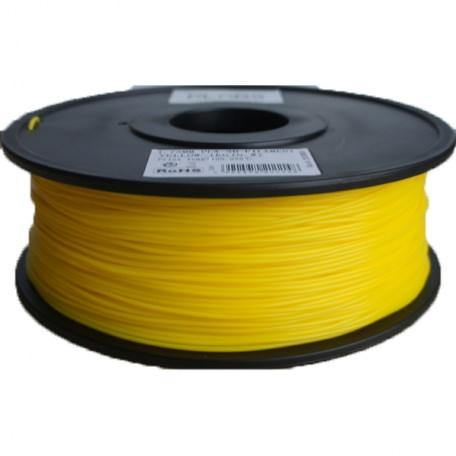
1.75mm 100g Yellow ABS Filament
.
As low as
₹200.29
₹200.29
MRP. ₹299.60
Incl. GST (No Hidden Charges)
Out of Stock
1.75mm Black ABS Filament -1Kg
1.75mm Black ABS Filament -1Kg
The black ABS filament also known as Acrylonitrile Butadiene Styrene filament, is one of the most popular and widely used material for 3D printing purposes. The 1.75mm black ABS filament is the same material used for manufacturing lego bricks and other workimg plastic parts. ABS filamen for 3D printing is an oil based filament and has a higher melting point than PLA. The charchteristic features of the black ABS filament is that they have great impact resistance and toughness.
Features of 1.75mm Black ABS Filament -1Kg
Material
ABS Filament (Acrylonitrile Butadiene Styrene)
Colour
Black
Thickness
1.75mm
Weight
1Kg
Melting Point of ABS Filament
Around 200°C
₹990.34
Incl. GST (No Hidden Charges)
Out of Stock
MRP. ₹1502.20
Incl. GST (No Hidden Charges)
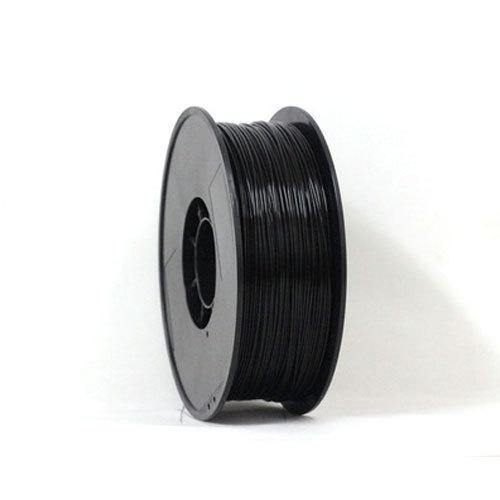
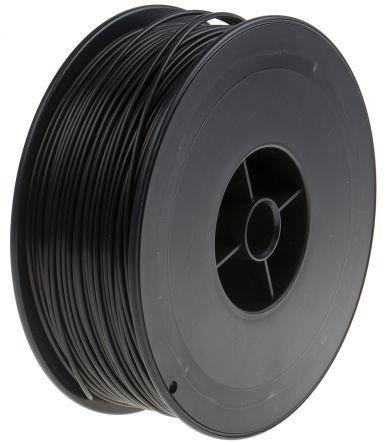
1.75mm Black ABS Filament -1Kg
1.75mm Black ABS Filament -1Kg The black ABS filament also known as Acrylonitrile Butadiene Styrene filament, is one of the most popular and widely used material for 3D printing purposes. …
As low as
₹990.34
₹990.34
MRP. ₹1502.20
Incl. GST (No Hidden Charges)
Out of Stock
1.75mm Blue ABS Filament -1Kg
1.75mm Blue ABS Filament -1Kg
The blue ABS filament also known as Acrylonitrile Butadiene Styrene filament, is one of the most popular and widely used material for 3D printing purposes. The 1.75mm blue ABS filament is the same material used for manufacturing lego bricks and other working plastic parts. The blue ABS filament for 3D printing is an oil based filament and has a higher melting point than PLA. The charchteristic features of the blue ABS filament is that they have great impact resistance and toughness.
check out :
3mm 100g Blue ABS Filament
Features of 1.75mm Blue ABS Filament -1Kg
Material
ABS Filament (Acrylonitrile Butadiene Styrene)
Colour
Blue
Thickness
1.75mm
Weight
1Kg
Melting Point of ABS Filament
Around 200°C
Certification
ISO 9001 and ROHS certified
₹990.34
Incl. GST (No Hidden Charges)
Out of Stock
MRP. ₹1507.80
Incl. GST (No Hidden Charges)
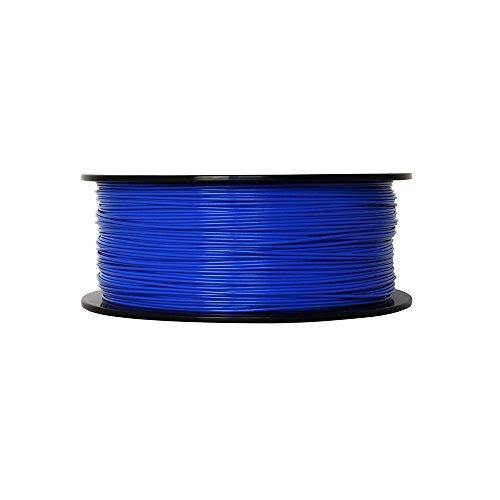
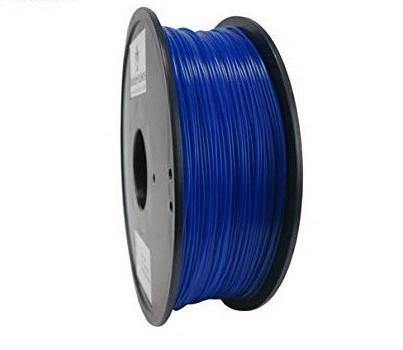
1.75mm Blue ABS Filament -1Kg
1.75mm Blue ABS Filament -1Kg The blue ABS filament also known as Acrylonitrile Butadiene Styrene filament, is one of the most popular and widely used material for 3D printing purposes. …
As low as
₹990.34
₹990.34
MRP. ₹1507.80
Incl. GST (No Hidden Charges)
Out of Stock
