

Sort by
Aluminum Cooling Heat Sink Ch…
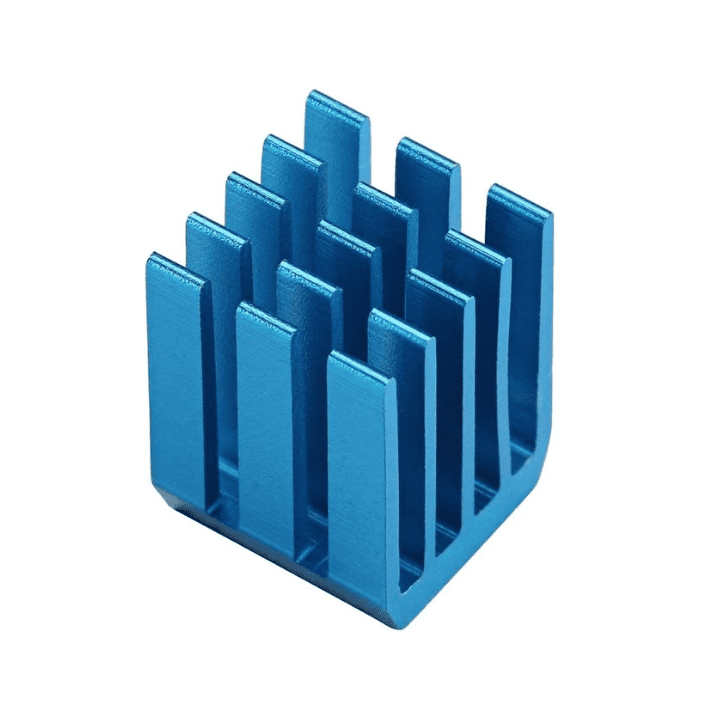
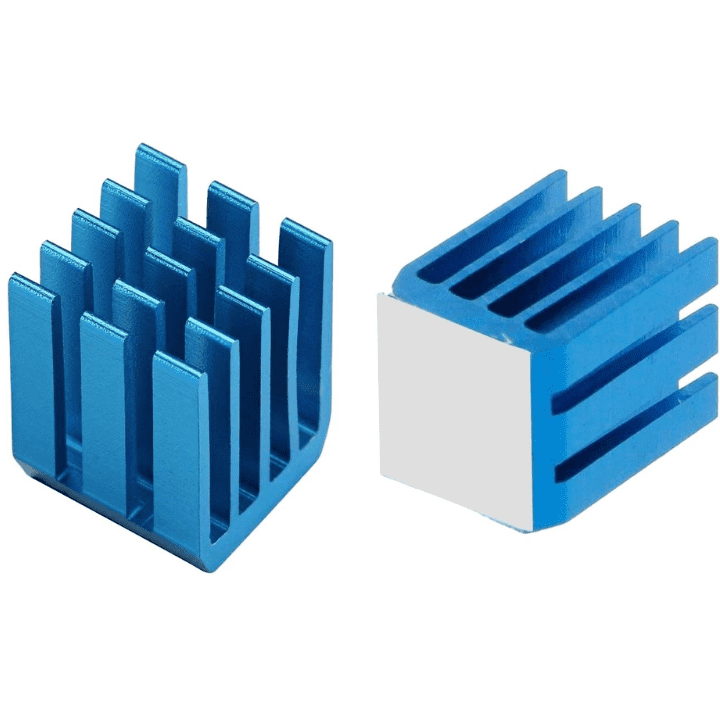
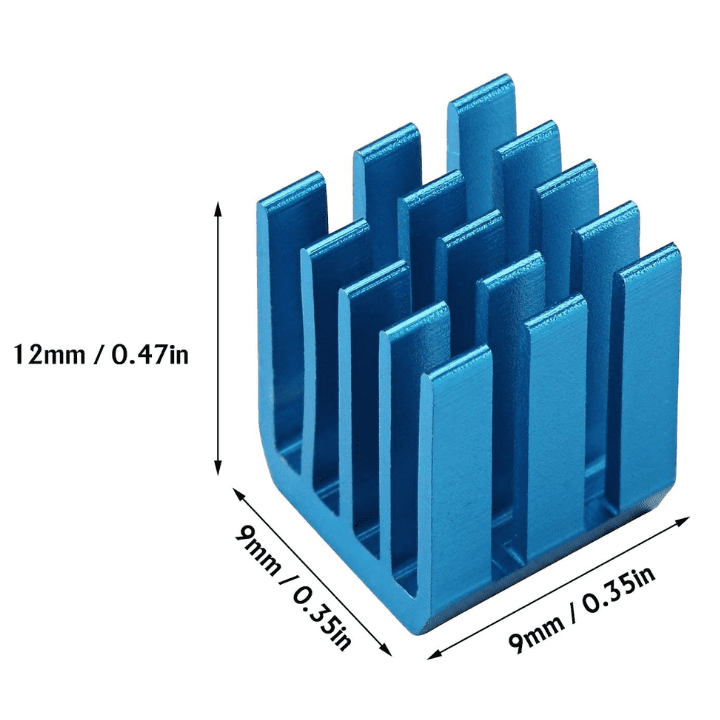
Aluminum Cooling Heat Sink Chip RAM Radiator Heatsink Cooler | Reprap StepStick Heat Sink- Blue (9x9x12mm)
The function of this Aluminum Heat Sink is to cool down various chips and boards to make it operate safely. The aluminium heat sink reduces the risk of hardware failure because of overheating.
Reprap 9*9*12MM Steps tick Heat Sink Suitable for DRV8825/A4988/A4983/MKS TMC2100 Mendel. These heat sinks measure only 9 mm square and 12 mm tall.
Used for IC Two-electrode Dynatron tube, electronic, Light Emitting Diode, IC, CPU, GPU, CPU, RAM, computer CHIP heat dissipation component, or anywhere.
Note:
Please allow 1-3mm error due to manual measurement.
Due to the difference between different monitors, the picture may not reflect the actual color of the item.
Package included:
1 x Aluminum Cooling Heat Sink Chip RAM Radiator Heatsink Cooler
₹24,49
Incl. GST (No Hidden Charges)
Out of Stock
MRP. ₹47,60
Incl. GST (No Hidden Charges)
Aluminum Cooling Heat Sink Chip RAM Radiator Heatsink Cooler | Reprap StepStick Heat Sink- Blue (9x9x12mm)
Aluminum Cooling Heat Sink Chip RAM Radiator Heatsink Cooler | Reprap StepStick Heat Sink- Blue (9x9x12mm) The function of this Aluminum Heat Sink is to cool down various chips and …
As low as
₹24,49
₹24,49
MRP. ₹47,60
Incl. GST (No Hidden Charges)
Out of Stock
Aluminum GT2 6mm Belt Width 6…
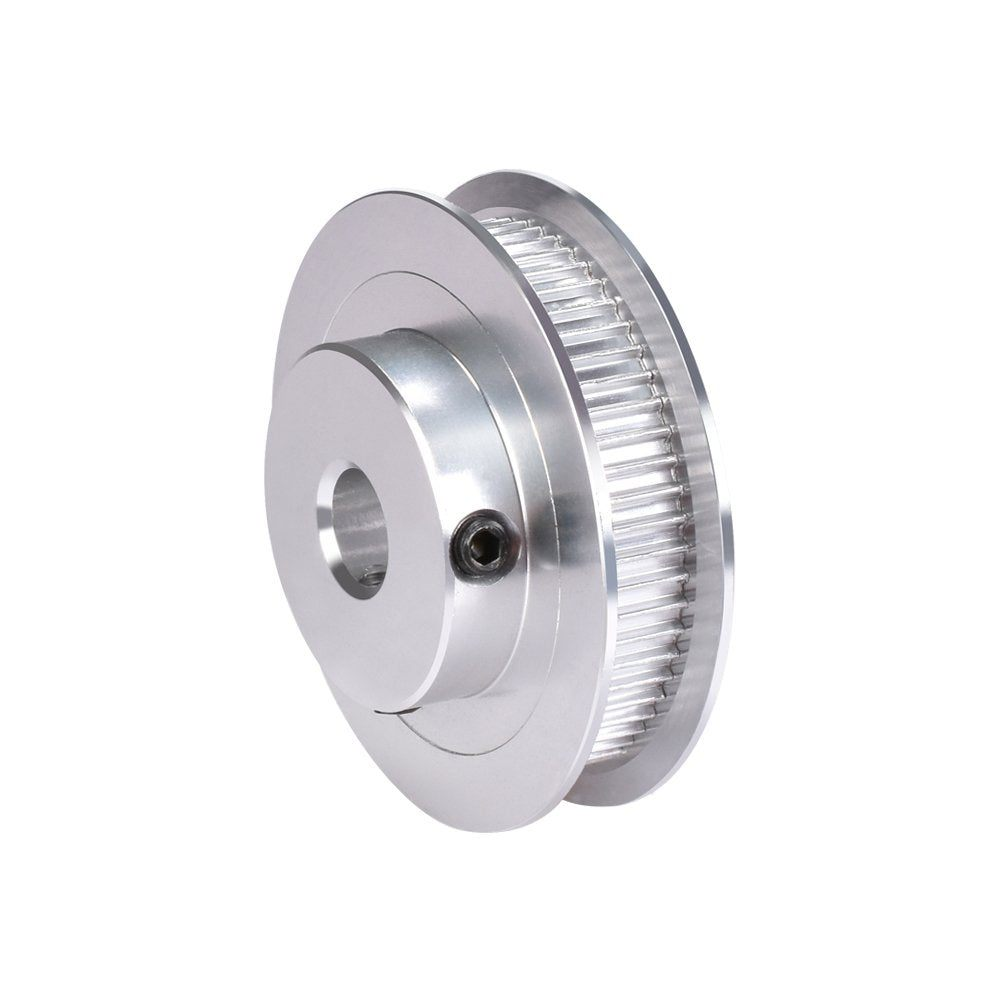
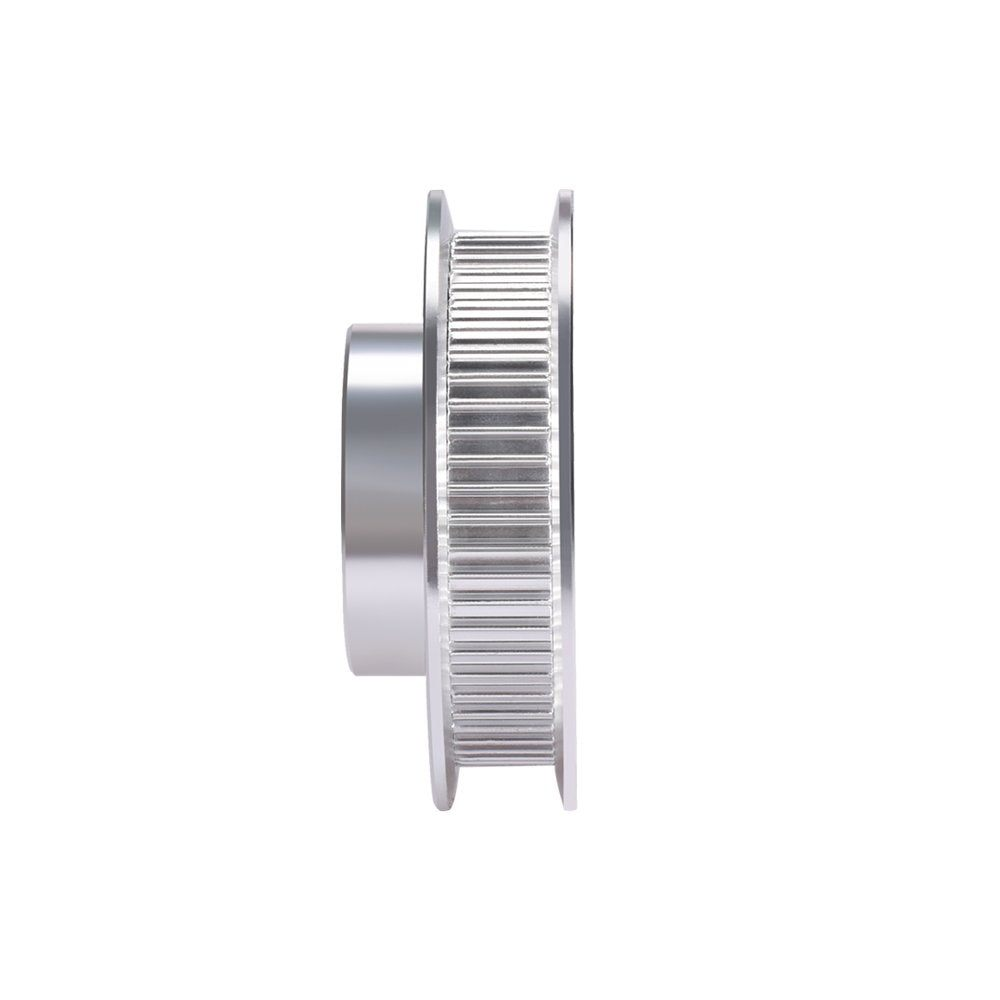
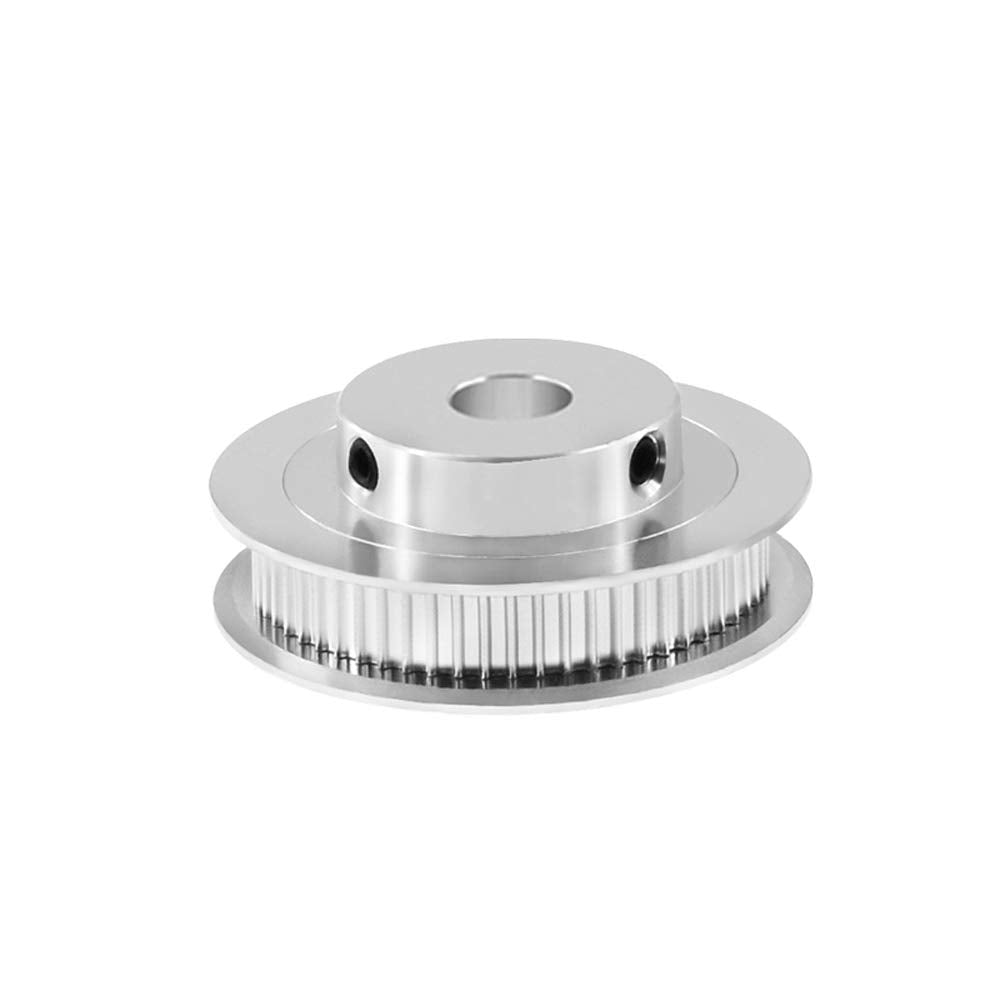
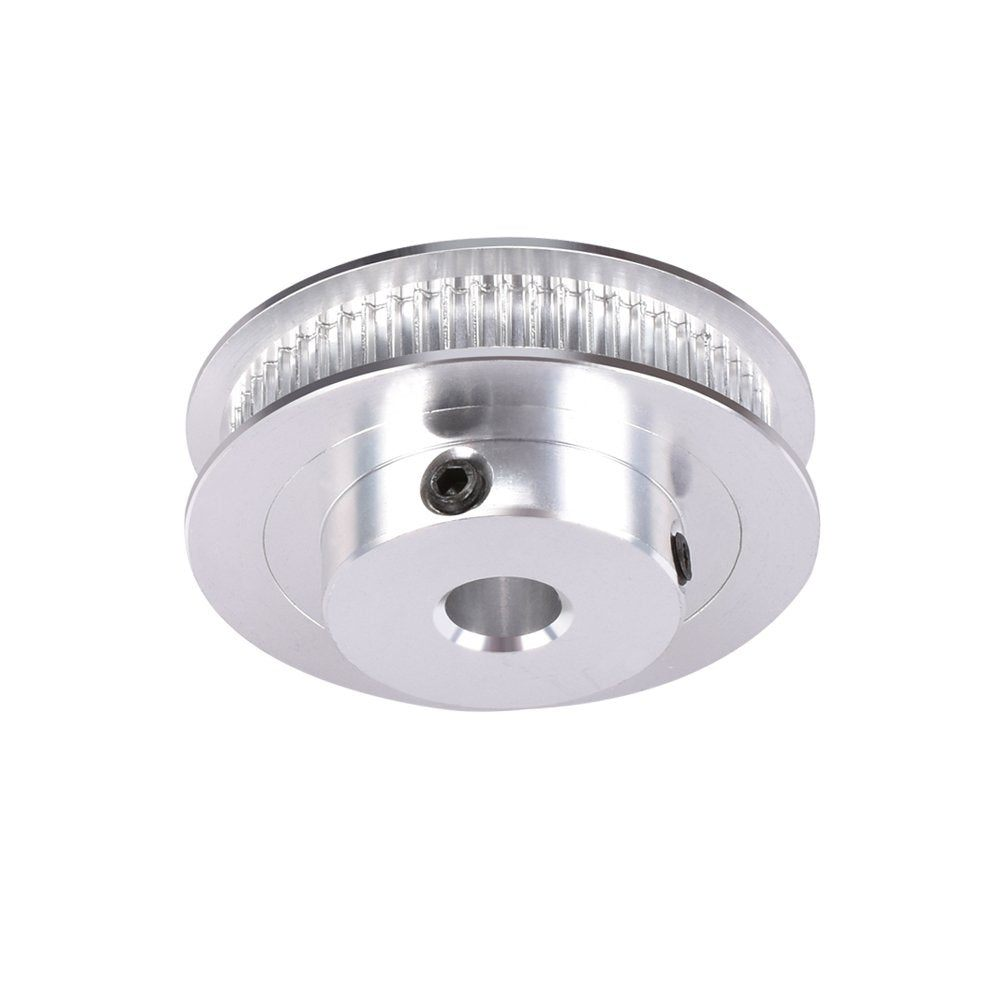
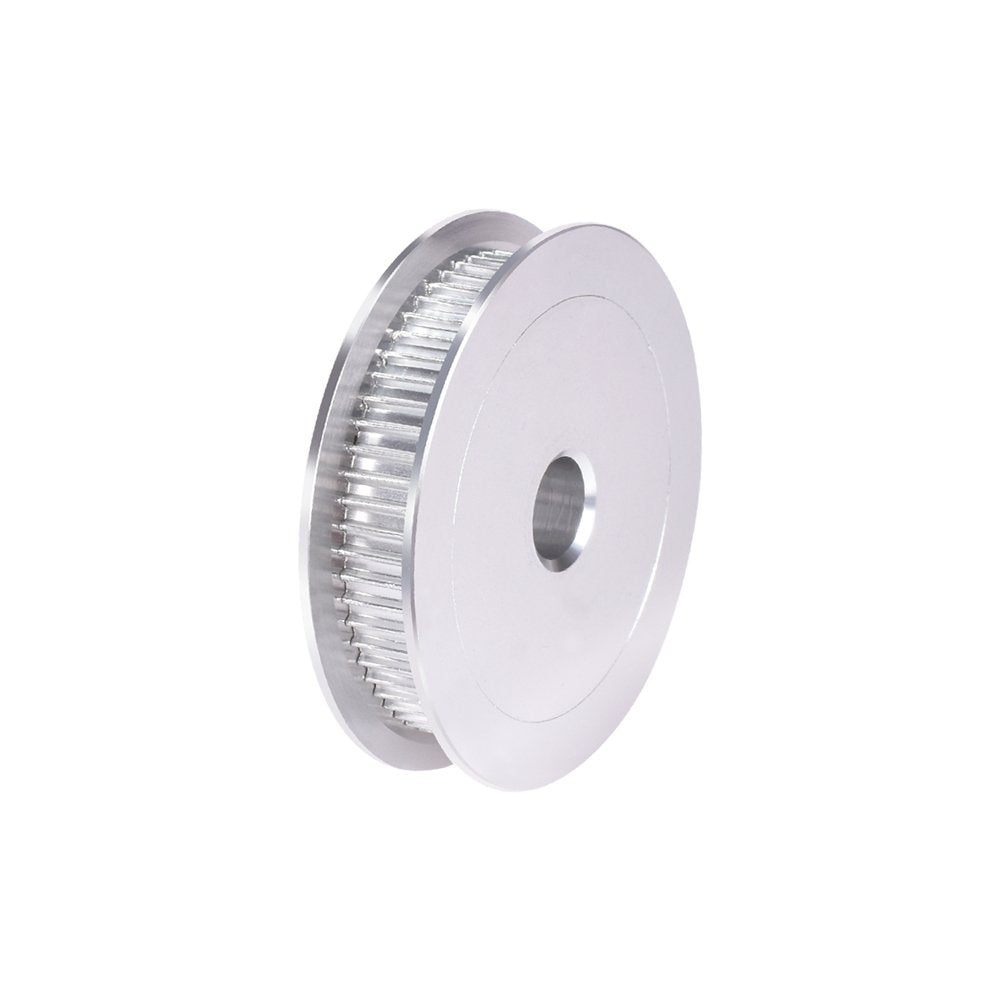
Aluminum GT2 6mm Belt Width 60 teeth 5mm Bore Timing Pulley
This is GT2-6mm Belt Width 60 teeth 5mm Bore Aluminium Timing Pulley.
Aluminum 60T GT2 timing pulley has high quality shiny surface appearance and robust construction, longer working life. he rounded teeth of this tooth and belt are engaged together longer providing a smoother transition between teeth, good performance for 3D printers.
GT2 toothed pulley, with 2 mm pitch teeth, suitable for use with GT2 neoprene reinforced nylon or steel reinforced polyurethane belts to be chosen depending on the type of end use. Made entirely of aluminum. Such a pulley reduces backwash due to accelerations and directional changes, ensuring good resolution when used on automation systems such as 3D printers and small CNC systems.
Applications:
3D printer
CNC
Other robotics with timing belt pulley,
₹151,33
MRP. ₹278,60
Incl. GST (No Hidden Charges)
Incl. GST (No Hidden Charges)
Aluminum GT2 6mm Belt Width 60 teeth 5mm Bore Aluminium Timing Pulley
Aluminum GT2 6mm Belt Width 60 teeth 5mm Bore Timing Pulley This is GT2-6mm Belt Width 60 teeth 5mm Bore Aluminium Timing Pulley. Aluminum 60T GT2 timing pulley has high …
As low as
₹151,33
₹151,33
MRP. ₹278,60
Incl. GST (No Hidden Charges)
Aluminum GT2 Timing Pulley 20…
Aluminum GT2 Timing Pulley 20 Tooth 8mm Bore For 6.35mm Belt – 2Pcs
This is an Aluminum GT2 Timing Pulley 20 Tooth 8mm Bore For a 6.35mm Belt. For precise motion control, GT2 belts and pulleys offer excellent precision at a great price. This pulley is meant for use with GT2 6.35mm wide belts only – MXL belts will slip due to the different tooth profiles.
This pulley has 20 teeth and an 8mm inner bore. Two set screws can be used to attach it firmly to any 8mm diameter shaft. Full aluminum construction means these are very light and very durable.
₹170,25
MRP. ₹278,60
Incl. GST (No Hidden Charges)
Incl. GST (No Hidden Charges)
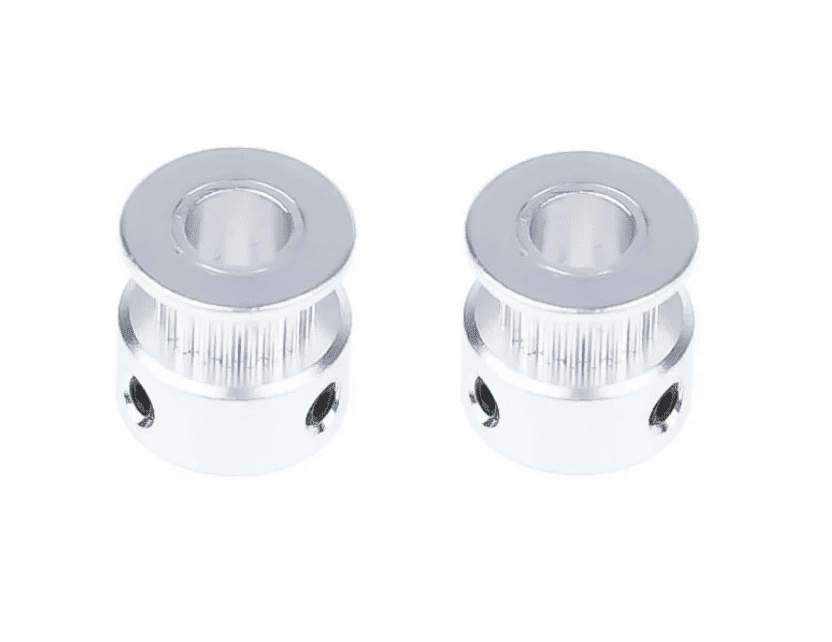
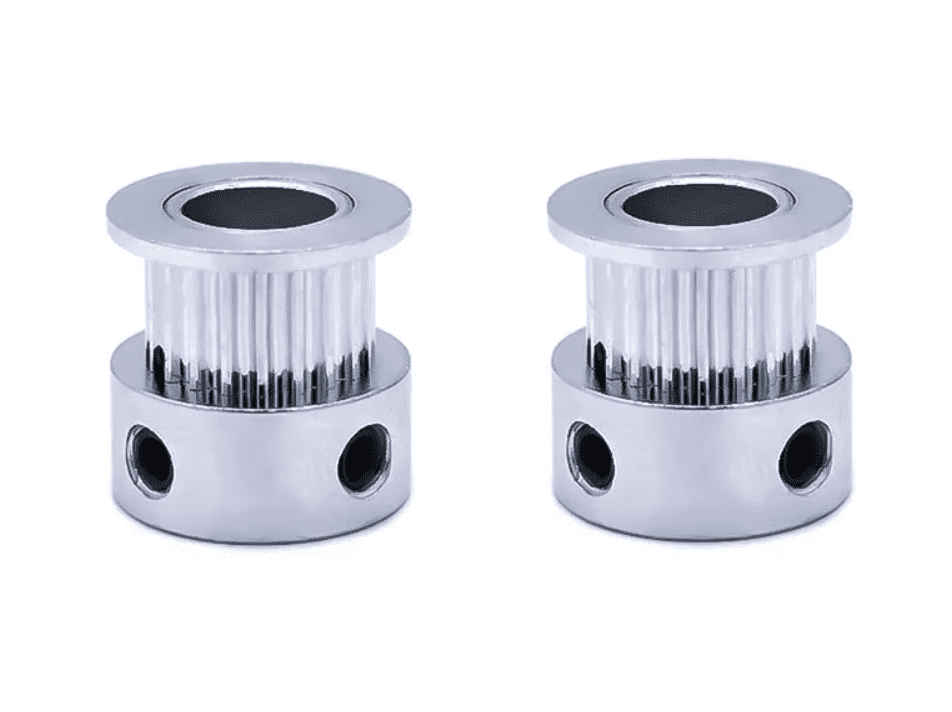
Aluminum GT2 Timing Pulley 20 Tooth 8mm Bore For 6.35mm Belt 2Pcs
Aluminum GT2 Timing Pulley 20 Tooth 8mm Bore For 6.35mm Belt – 2Pcs This is an Aluminum GT2 Timing Pulley 20 Tooth 8mm Bore For a 6.35mm Belt. For precise …
As low as
₹170,25
₹170,25
MRP. ₹278,60
Incl. GST (No Hidden Charges)
Aluminum Heat Sink for Raspbe…
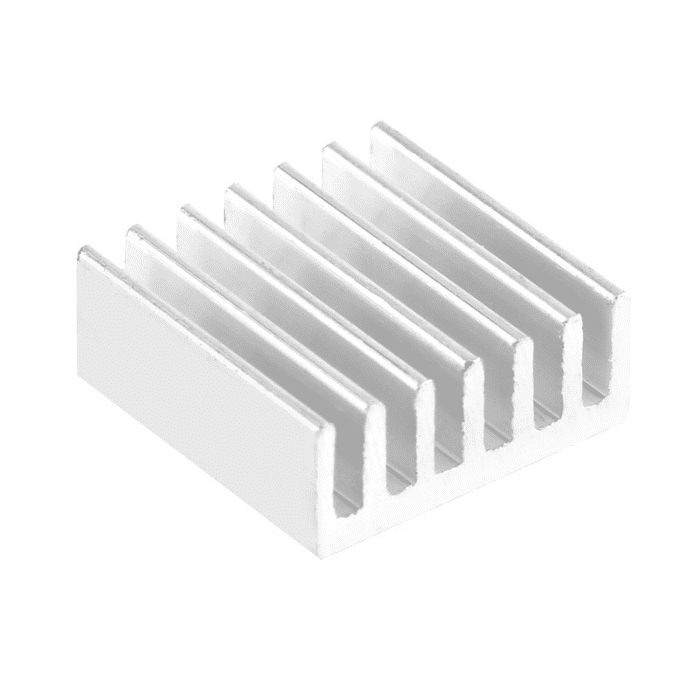
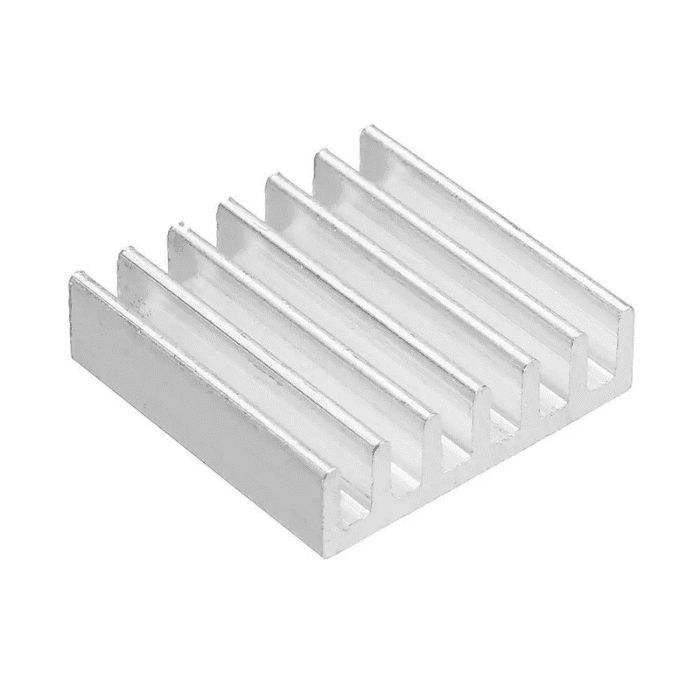
Aluminum Heat Sink for Raspberry Pi Zero 2W
The Aluminium Heat Sink for Raspberry Pi is a heat sink kit made of aluminum that is used to cool the chip's microprocessor. The heat sink is attached with thermally conductive adhesive tape, which helps in cooling the Raspberry Pi efficiently.
A heat sink is a passive heat exchanger that transfers heat generated by an electronic or mechanical device, allowing optimal temperature regulation of the device. Heat sinks are used with high-power semiconductor devices when the component's heat dissipation capacity is insufficient to keep the temperature stable. The Broadcom CPU on the Raspberry Pi Zero is cooled using high-quality aluminum heatsinks. Reduce the risk of hardware failure due to overheating when running at full speed, while also extending the board's life. It includes a 3M thermal adhesive. Small enough to fit into the Raspberry Pi Zero. Can be used on Raspberry Pi 2W components and other devices.
₹15,58
Incl. GST (No Hidden Charges)
Out of Stock
MRP. ₹26,60
Incl. GST (No Hidden Charges)
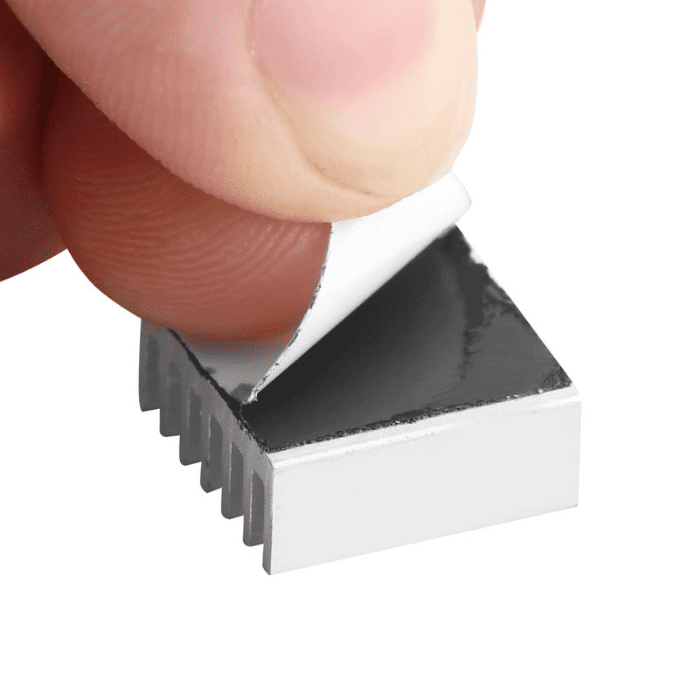
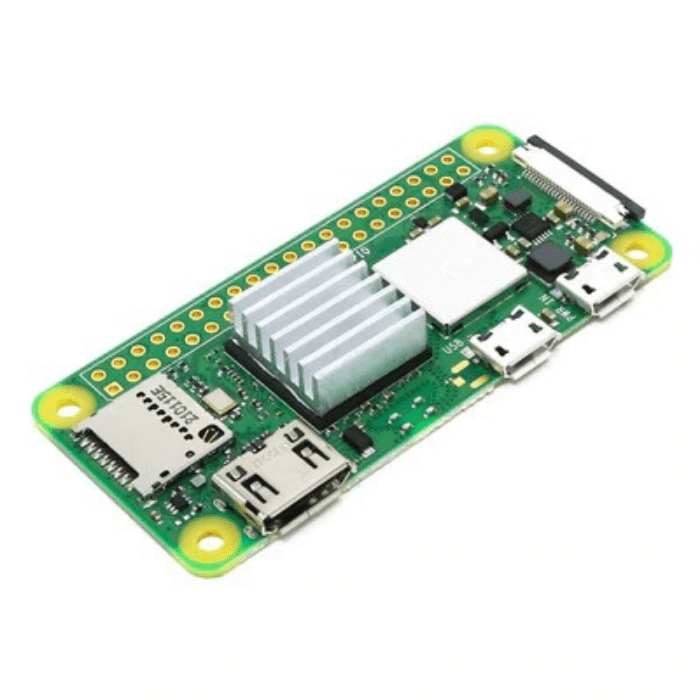
Aluminum Heat Sink for Raspberry Pi Zero 2W
Aluminum Heat Sink for Raspberry Pi Zero 2W The Aluminium Heat Sink for Raspberry Pi is a heat sink kit made of aluminum that is used to cool the chip's …
As low as
₹15,58
₹15,58
MRP. ₹26,60
Incl. GST (No Hidden Charges)
Out of Stock
Aluminum Heatsink Cooling for…
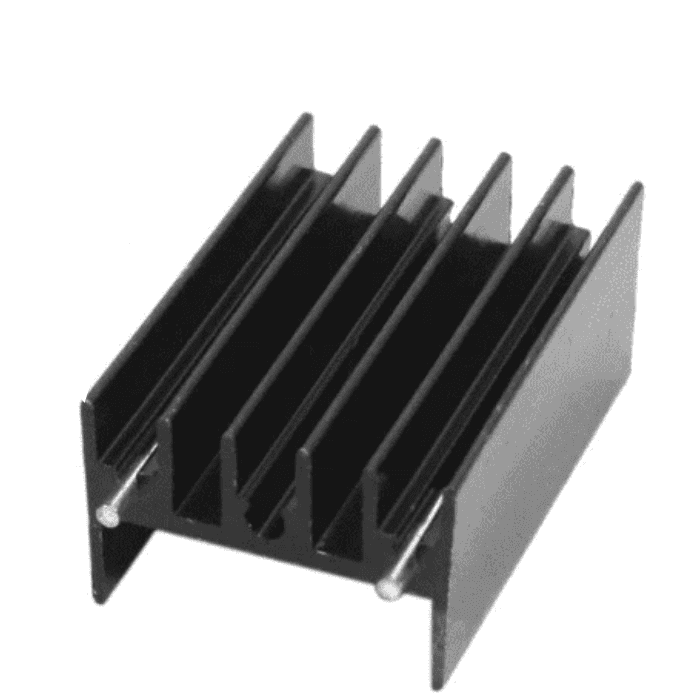
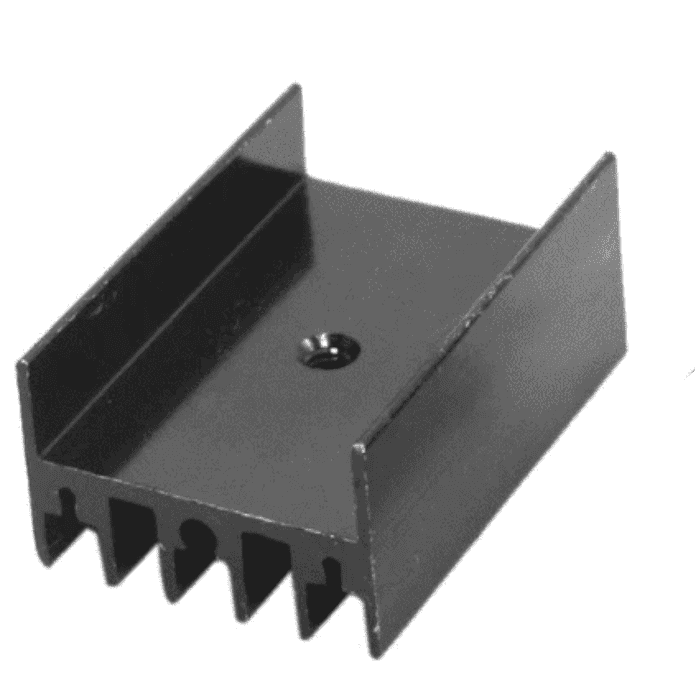
Aluminum Heatsink Cooling for LM7805 IC Transistor(25mm)
A heat sink is a passive heat exchanger that transmits heat from an electrical or mechanical device to a fluid medium, typically air or a liquid coolant, where it is dissipated away from the device, allowing to regulate the temperature of components. Heat sinks are used in computers to keep CPUs, GPUs, and some chipsets and RAM modules cool. Heat sinks are utilised with high-power semiconductor devices like power transistors and optoelectronics like lasers and light-emitting diodes (LEDs), where the component's heat dissipation capability is insufficient to keep the temperature under control.
₹11,13
MRP. ₹22,40
Incl. GST (No Hidden Charges)
Incl. GST (No Hidden Charges)
Aluminum Heatsink Cooling for LM7805 IC Transistor(25mm)
Aluminum Heatsink Cooling for LM7805 IC Transistor(25mm) A heat sink is a passive heat exchanger that transmits heat from an electrical or mechanical device to a fluid medium, typically air …
As low as
₹11,13
₹11,13
MRP. ₹22,40
Incl. GST (No Hidden Charges)

Aluminum Heatsink for A4988 D…
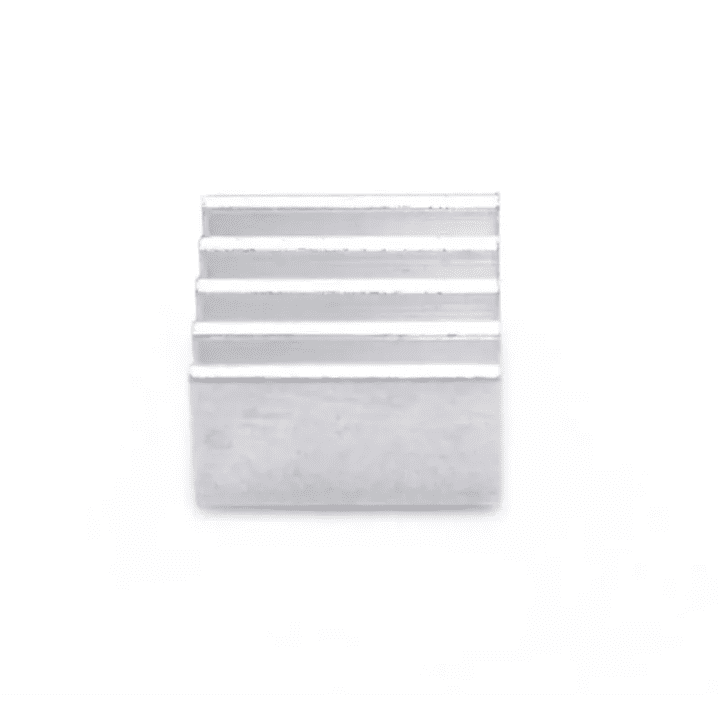
Aluminum Heatsink for A4988 DRV8825 Stepper Motor Driver
The Aluminum Heatsink for A4988 DRV8825 Stepper Motor Driver features thermally conductive adhesive tape at its attaching side which helps cooling effect to occur more rapidly. The installation includes only removing the heatsink protection and sticking it by gently pressing the Aluminum HeatSink against the Stepper Motor Driver. They are made up of Aluminum which is the good radiator of heat. These are very lightweight and handy heatsinks which show good heat dissipation property.
9 x 9 x 5 Aluminium Heat Sink for Laptop, Notebook, Computer, LED, Power IC, Memory, Transistor with High conductivity thermal self adhesive tape 3M 8810 for A4988 or DRV8825.
₹18,92
MRP. ₹40,60
Incl. GST (No Hidden Charges)
Incl. GST (No Hidden Charges)
Aluminum Heatsink for A4988 DRV8825 Stepper Motor Driver
Aluminum Heatsink for A4988 DRV8825 Stepper Motor Driver The Aluminum Heatsink for A4988 DRV8825 Stepper Motor Driver features thermally conductive adhesive tape at its attaching side which helps cooling effect …
As low as
₹18,92
₹18,92
MRP. ₹40,60
Incl. GST (No Hidden Charges)
AM2301 Temperature & Humidity…
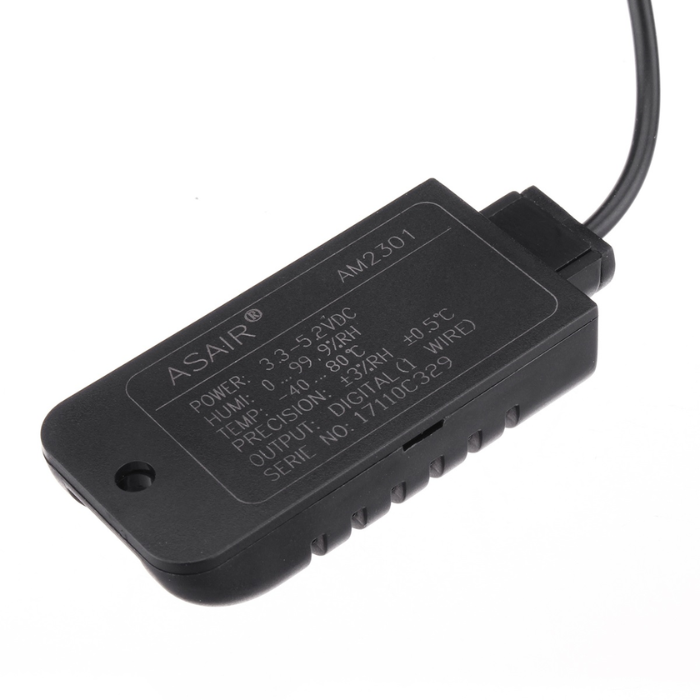
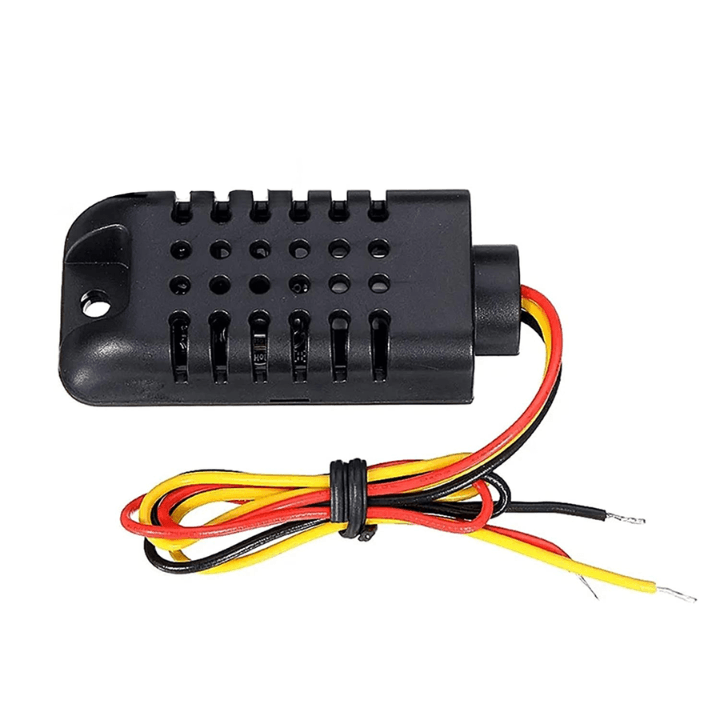
AM2301 Temperature & Humidity Sensor
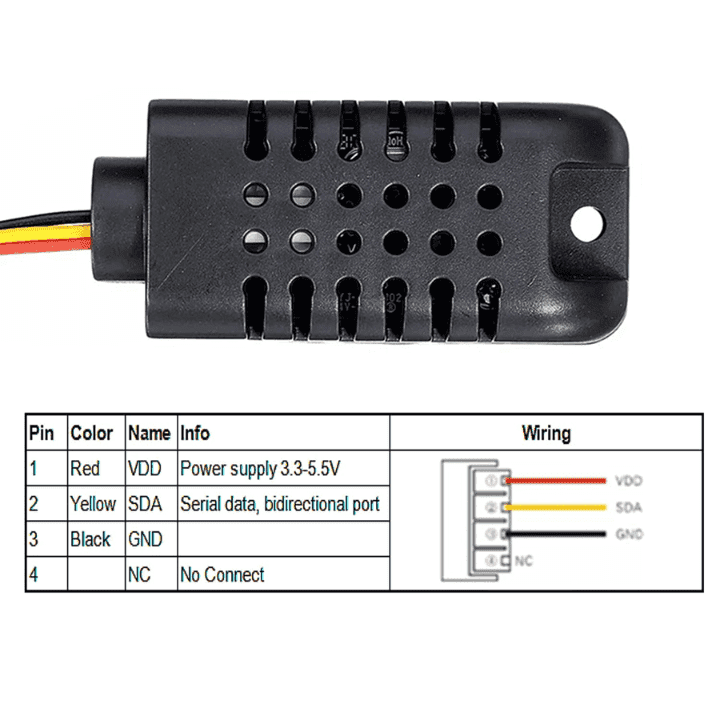
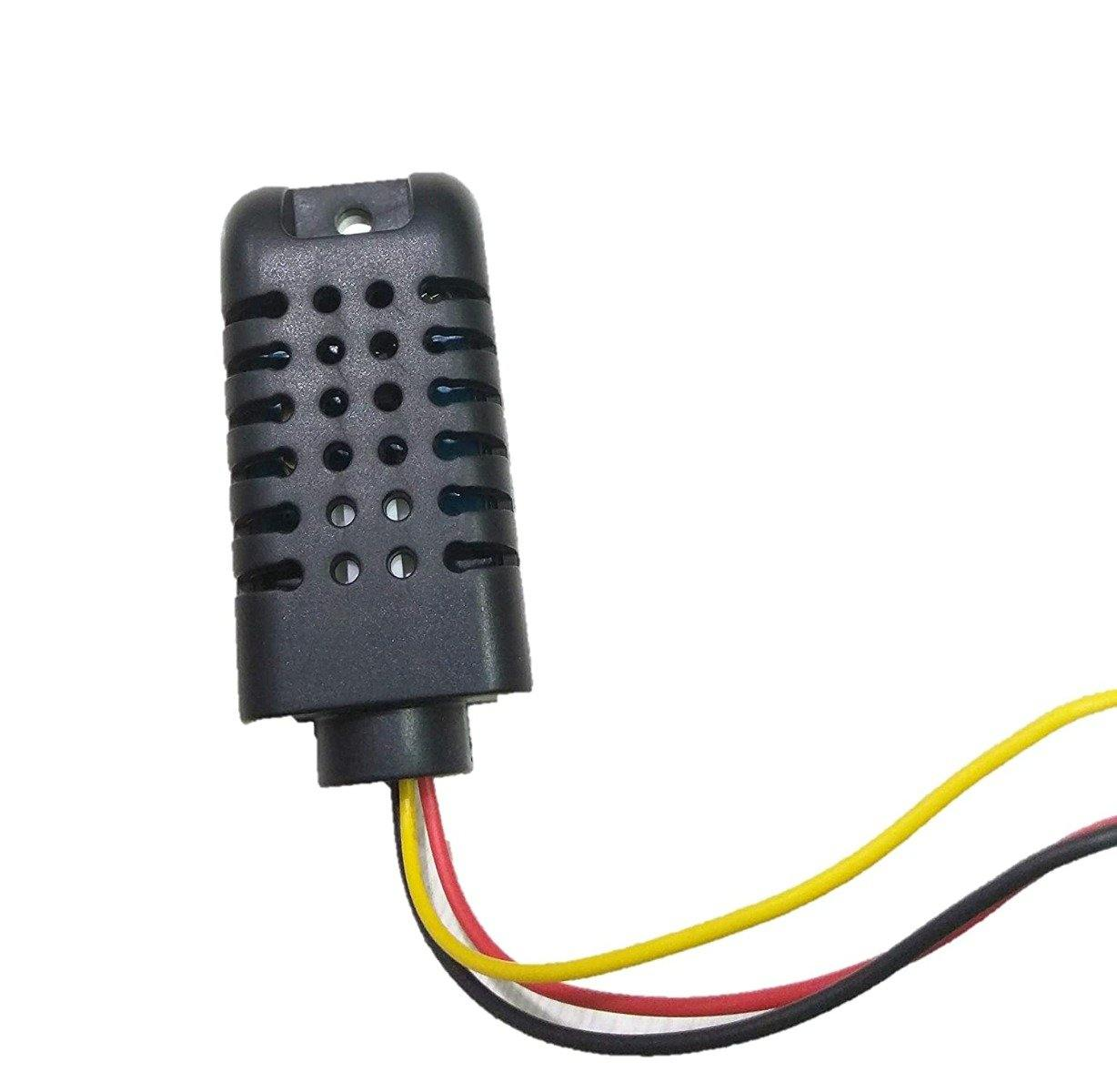
The AM2301 temperature and humidity sensor is a digital sensor that measures both temperature and humidity. It uses a capacitive humidity sensor and a thermistor to measure the humidity and temperature, respectively. The sensor communicates with a microcontroller or other host device using a digital protocol such as the Single Wire Protocol (SWP) or the Inter-Integrated Circuit (I2C) protocol. The sensor can operate over a wide range of temperatures and humidities, and it has high accuracy and a fast response time. It is commonly used in applications such as weather stations, HVAC systems, and industrial process control.
The sensor includes a capacitive humidity sensing element and an NTC temperature measuring element, connected with a high-performance 8-bit single-chip microcomputer, so it has the advantages of ultra-fast response and strong anti-interference ability. Low cost, 3 to 5v power and i/o, 2.5ma max current use during conversion.
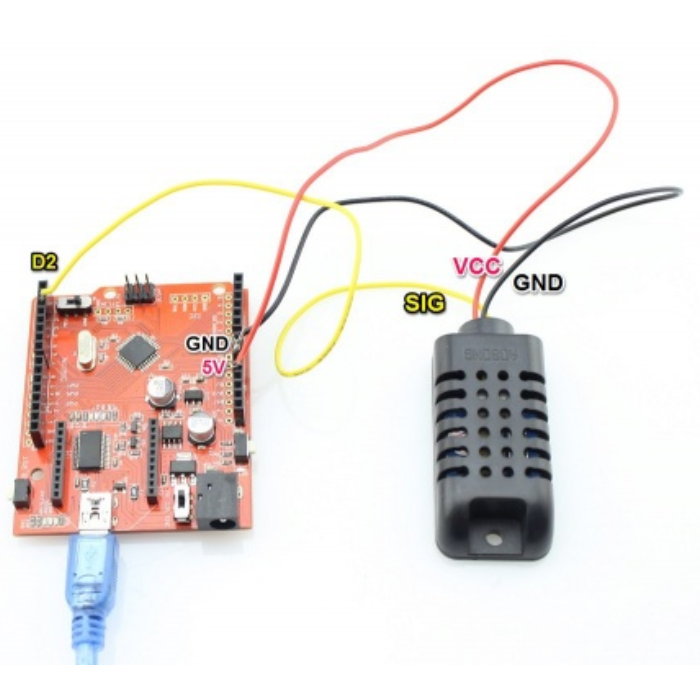
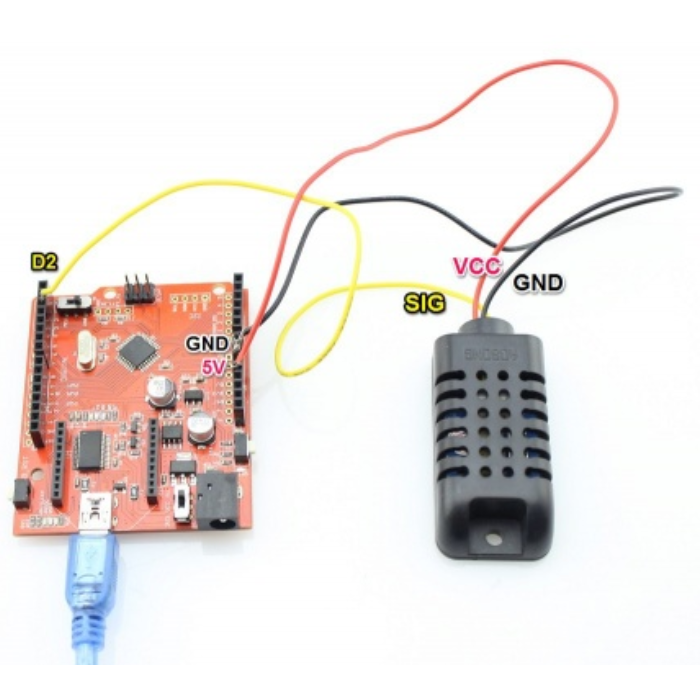
1-1.5ma measuring current, 40-50 ua standby current. It has only 3 wires, including power and ground, meaning only one digital pin is required to interface it to a microcontroller.
Applications:
HVAC
Dehumidifier
Weather station
Humidity regulator
Medical treatment
Home appliances
₹360,53
MRP. ₹669,20
Incl. GST (No Hidden Charges)
Incl. GST (No Hidden Charges)
AM2301 Temperature & Humidity Sensor
AM2301 Temperature & Humidity Sensor The AM2301 temperature and humidity sensor is a digital sensor that measures both temperature and humidity. It uses a capacitive humidity sensor and a thermistor …
As low as
₹360,53
₹360,53
MRP. ₹669,20
Incl. GST (No Hidden Charges)
AM2305B Temperature and Humid…
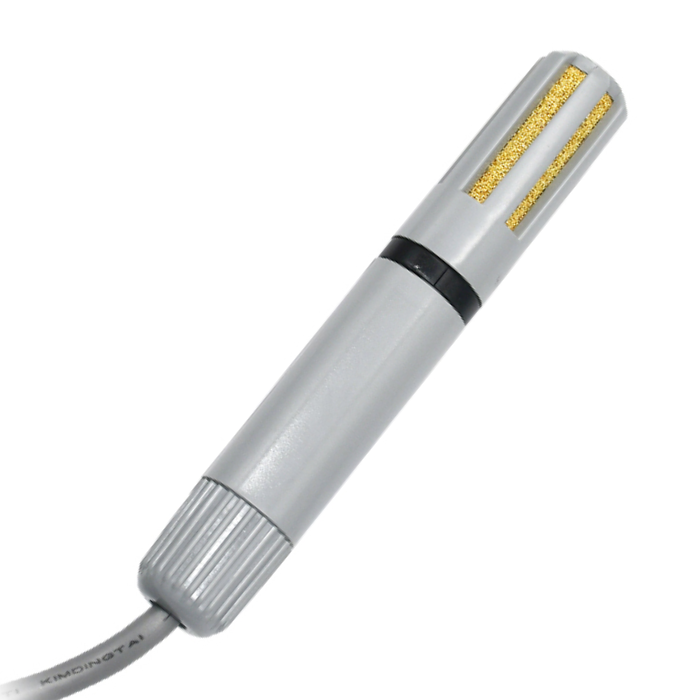
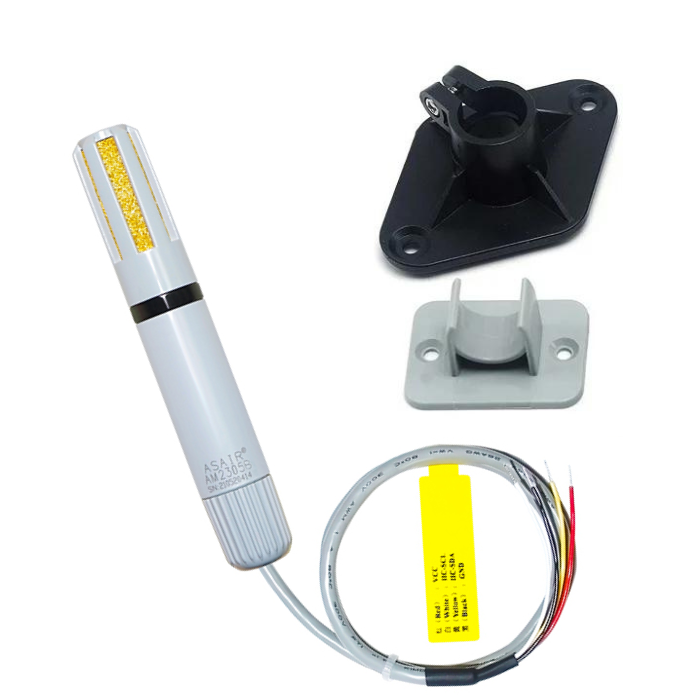
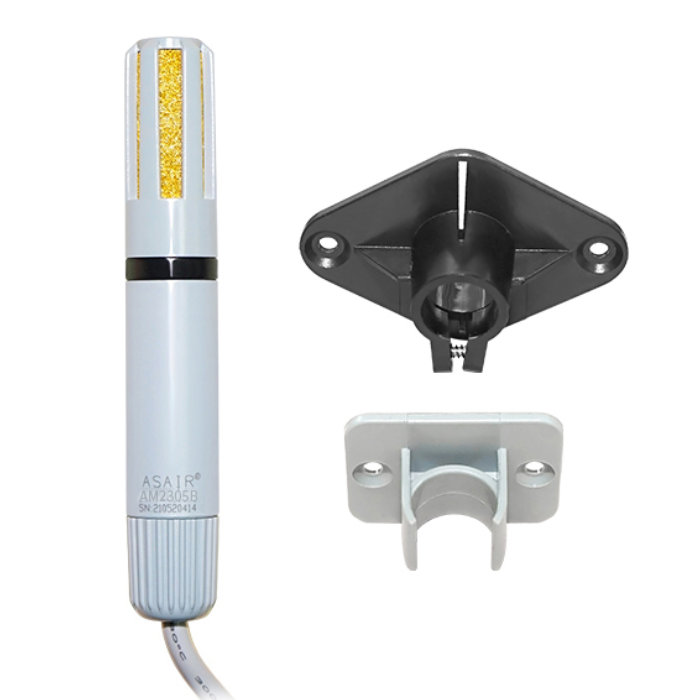
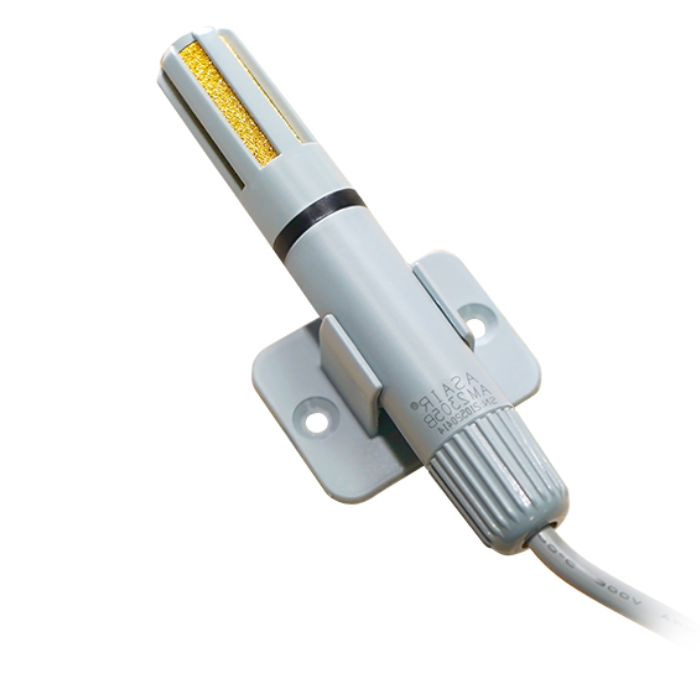
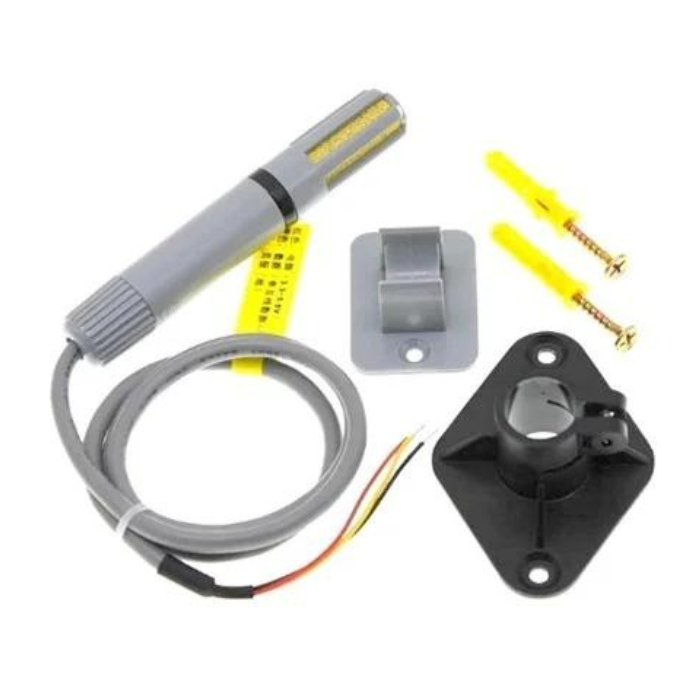
AM2305B Temperature and Humidity Sensor
The AM2305B Digital Temperature and Humidity Sensor is a great option if you’re looking for a reliable, easy-to-use sensor for your projects. It’s equipped with an all-new ASIC chip, an upgraded MEMS humidity sensor, and a standard temperature sensor, so you’re getting top-notch accuracy and performance, even in tough environments.
It comes fully calibrated and ready to go. You don’t need to worry about extra calculations or complicated setups. Plus, with its low power consumption and ability to transmit data over 20 meters, it’s perfect for remote monitoring. It measures temperatures from -40°C to 80°C and humidity from 0% to 99.9% RH, with high accuracy—±0.5°C for temperature and ±3% RH for humidity.
Whether you need to track environmental data or use it in a larger system, the AM2305B offers great stability and reliability, making it a strong choice for various applications.
Features:
Excellent quality
Fast response time
Strong anti-interference capability
Ultra-small size
Low power consumption
Applications:
HVAC systems
Dehumidifiers
Testing and inspection equipment
Consumer products
Automobiles
Automatic control systems
Data loggers
Weather stations
Home appliances
Humidity control systems
Medical equipment
₹1613,47
MRP. ₹3078,60
Incl. GST (No Hidden Charges)
Incl. GST (No Hidden Charges)
AM2305B Temperature and Humidity Sensor
AM2305B Temperature and Humidity Sensor The AM2305B Digital Temperature and Humidity Sensor is a great option if you’re looking for a reliable, easy-to-use sensor for your projects. It’s equipped with …
As low as
₹1613,47
₹1613,47
MRP. ₹3078,60
Incl. GST (No Hidden Charges)
AMS1117 3.3V Power Supply Mod…
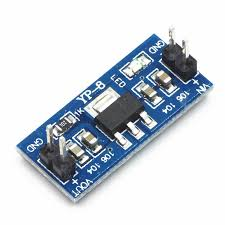
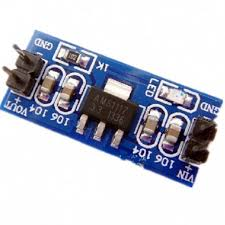
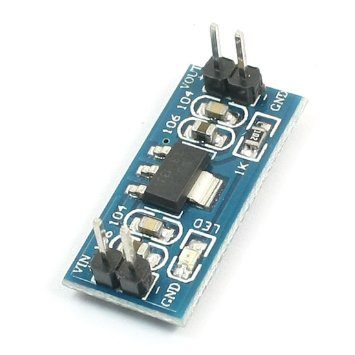
AMS1117 3.3V Power Supply Module
The AMS1117 3.3V Power Supply Module is convenient to use
voltage regulator
with high safety performance and multiple power expansion interfaces. The module is suitable for electronic devices such as SCM project design that needs a 3.3V power supply. It is a simple Dual-panel design and the Input-output uses the 2 Pin single row pin for easy connection.
This
power supply module
features an Onboard AMS1117 chip, and an Onboard power indicator to indicate power is turned on (Red LED). Specially designed two-pin mounting holes can be directly fixed on the whole expansion board for experiments.
Features
Onboard AMS1117 chip.
Onboard power indicator to indicate power is turned on: Red LED.
Output voltage interface, connection to facilitate the experimental.
Specially designed two pin mounting holes, can be directly fixed on the whole expansion board for experiments.
Small Compact Size, 4Pin Type, Breadboard Friendly.
2P single row pin input and output for easy connection
Dual-panel design, the layout is nice
Applications:
Power Management for Computer Mother Board, Graphic Card.
Power Management for LCD Monitor and LCD TV.
₹15,58
MRP. ₹42,00
Incl. GST (No Hidden Charges)
Incl. GST (No Hidden Charges)
AMS1117 3.3V Power Supply Module
AMS1117 3.3V Power Supply Module The AMS1117 3.3V Power Supply Module is convenient to use voltage regulator with high safety performance and multiple power expansion interfaces. The module is suitable …
As low as
₹15,58
₹15,58
MRP. ₹42,00
Incl. GST (No Hidden Charges)
AMS1117 5V Step-Down Power Su…
AMS1117 5V Step-Down Power Supply Module
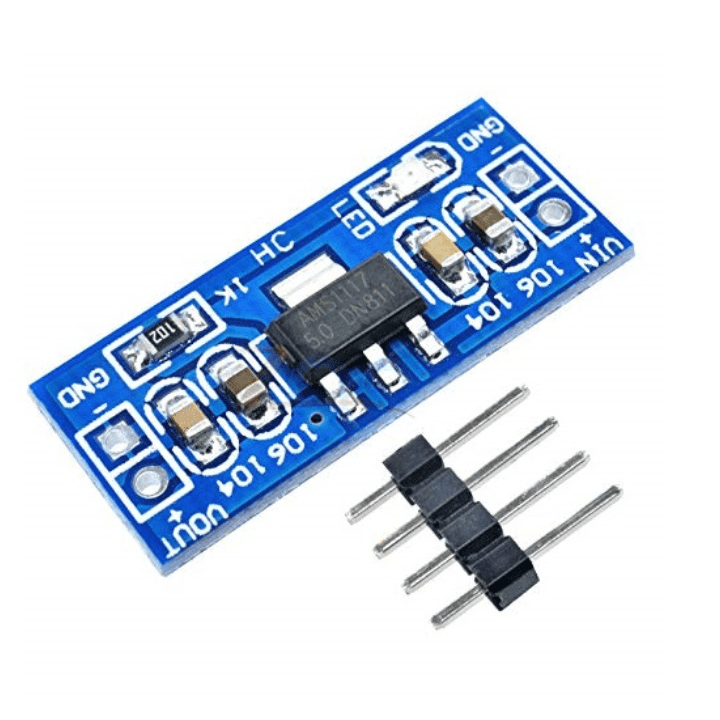
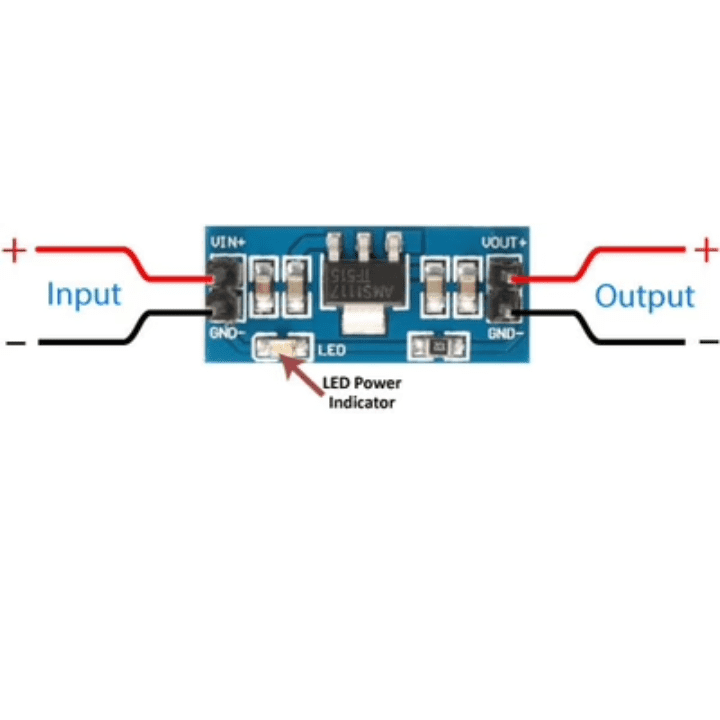
This Step-Down power supply module (
buck converter
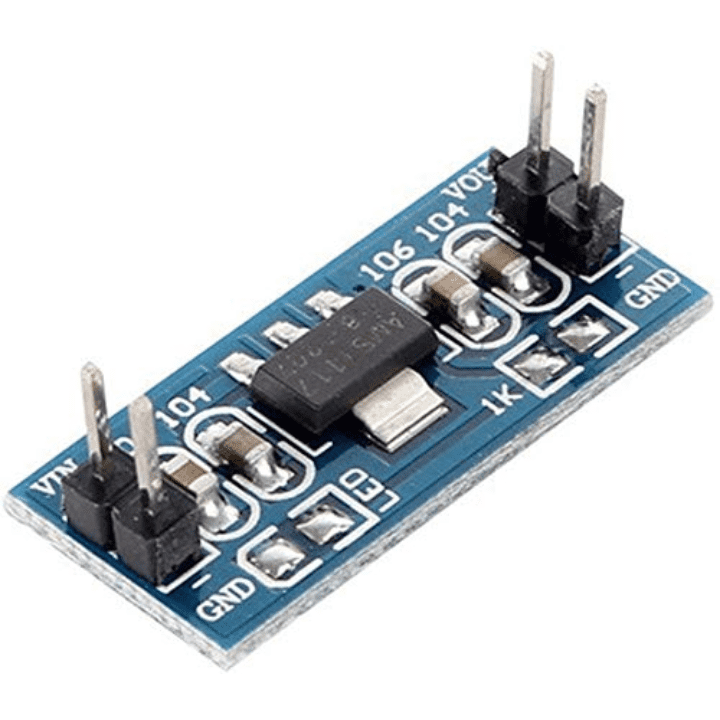
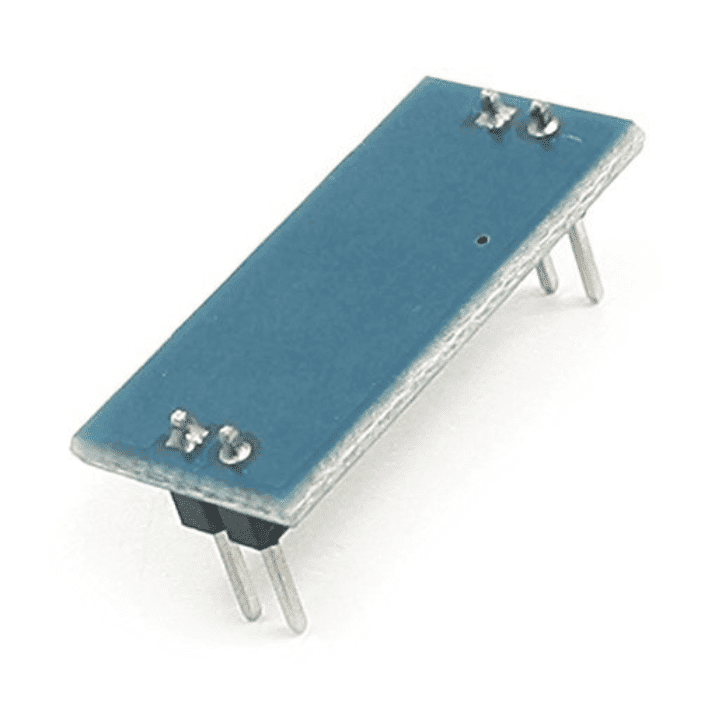
) utilizes the AMS1117 5V regulator to regulate input voltage in the range of 6.0 to 12V down to a fixed 5V output at a maximum of 1A. The input and output terminals of the module can be connected through standard 0.1" header pins, which are thoughtfully positioned to enable face-down insertion into a standard.
NOTE:
Do not exceed absolute maximum input voltage (12.5v) or output current. Exceeding maximum specifications can result in permanent damage to this module or any connected devices. The jumper connector is not soldered.
Features
Onboard AMS1117 chip.
Onboard power indicator to indicate power is turned on: Red LED.
Output voltage interface, connection to facilitate the experimental.
Small Compact Size, 4Pin Type, Breadboard Friendly.
2P single row pin input and output for easy connection
Dual-panel design, the layout is nice
₹22,25
MRP. ₹40,60
Incl. GST (No Hidden Charges)
Incl. GST (No Hidden Charges)
AMS1117 5V Step-Down Power Supply Module
AMS1117 5V Step-Down Power Supply Module This Step-Down power supply module ( buck converter ) utilizes the AMS1117 5V regulator to regulate input voltage in the range of 6.0 to …
As low as
₹22,25
₹22,25
MRP. ₹40,60
Incl. GST (No Hidden Charges)
